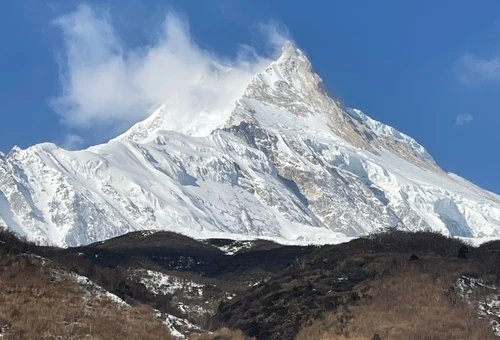
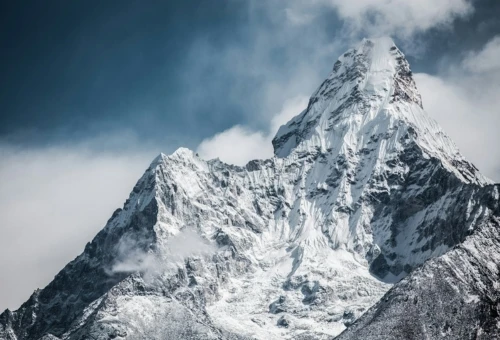
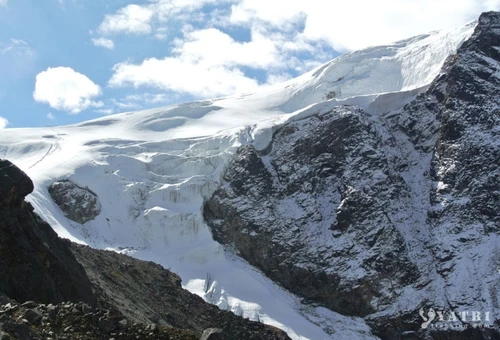
The Everest Base Camp Trek is more than just a journey to the foot of the world’s highest mountain it's a front-row seat to some of the most breathtaking Himalayan views you’ll ever witness. From the moment you land in Lukla to the final push to Kala Patthar, every step of the trail offers dramatic landscapes and towering peaks. If you're dreaming of standing among the giants of the Himalayas, this trek is the perfect adventure.
Incredible Mountain Views Along the Everest Base Camp Trek
Table of Contents
Start of the Trek: Mountain Views from Lukla to Namche
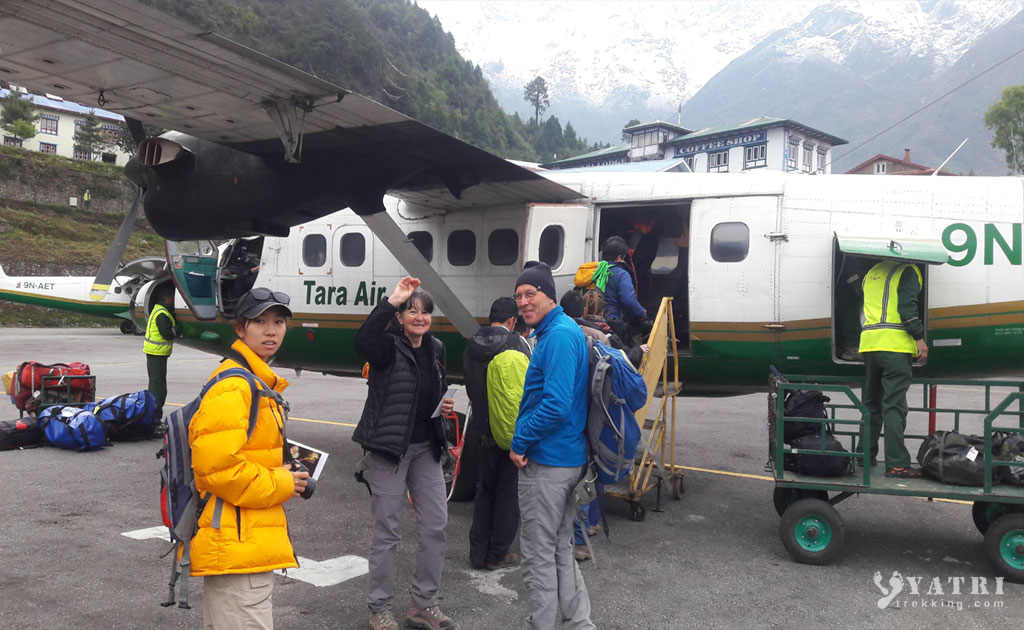
Your Everest Base Camp adventure begins the moment you land in Lukla Airport, often hailed as one of the most thrilling airports in the world. As your small plane descends onto this tiny runway, the surrounding Himalayan peaks immediately capture your attention, setting the stage for the epic journey ahead. From Lukla, the trek takes you through a tapestry of Sherpa villages, verdant pine forests, and rushing rivers that carve their way through the Dudh Koshi Valley.
Along the trail, the mountains begin to reveal themselves in all their glory. You’ll catch early glimpses of Thamserku (6,608m), known for its sharp ridges; Kusum Kanguru (6,367m), a dramatic peak beloved by climbers; and the impressive ridge of Kongde Ri (6,187m), which dominates the skyline. While these peaks may not have the fame of Everest, their majestic presence creates a striking backdrop for your first days on the trail.
Crossing the famous suspension bridges over the Dudh Koshi River, trekking past quaint villages where prayer flags flutter in the wind, and navigating peaceful trails, you start to feel the rhythm of the Khumbu region. Each village offers a glimpse into local life, with tea houses providing warm food, friendly chats, and cozy accommodations to rest before you continue ascending.
This section of the trek is perfect for photography enthusiasts, as the combination of mountains, rivers, and traditional Sherpa settlements creates a natural, cinematic landscape. It also sets the tone for acclimatization, helping your body adjust gradually to higher altitudes. The journey from Lukla to Namche is not just a trek; it’s your first encounter with the grandeur of the Himalayas a visual and emotional preview of the epic adventure that lies ahead.
The First Look at Everest: Namche to Tengboche Trail
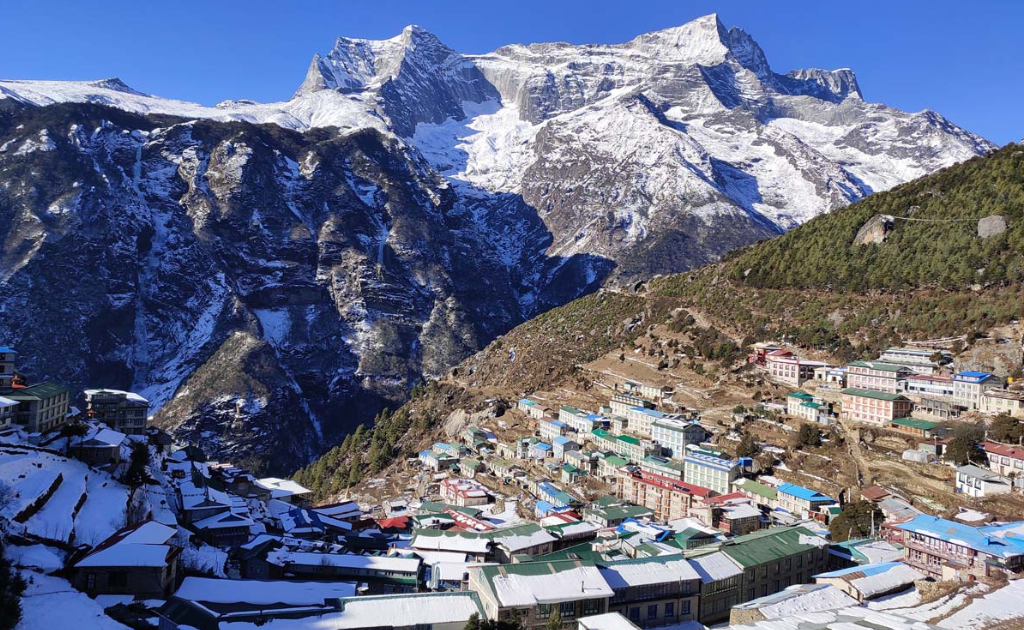
After settling into Namche Bazaar, often called the gateway to the Everest region, trekkers feel the first real pulse of the Himalayas. Namche is not just a bustling Sherpa hub it’s a vital acclimatization stop. Spending a day here helps your body adjust to the altitude while allowing you to explore the vibrant local markets, cafés, and traditional lodges. Once rested, the trail toward Tengboche Monastery unfolds one of the most scenic stretches of the entire Everest Base Camp trek.
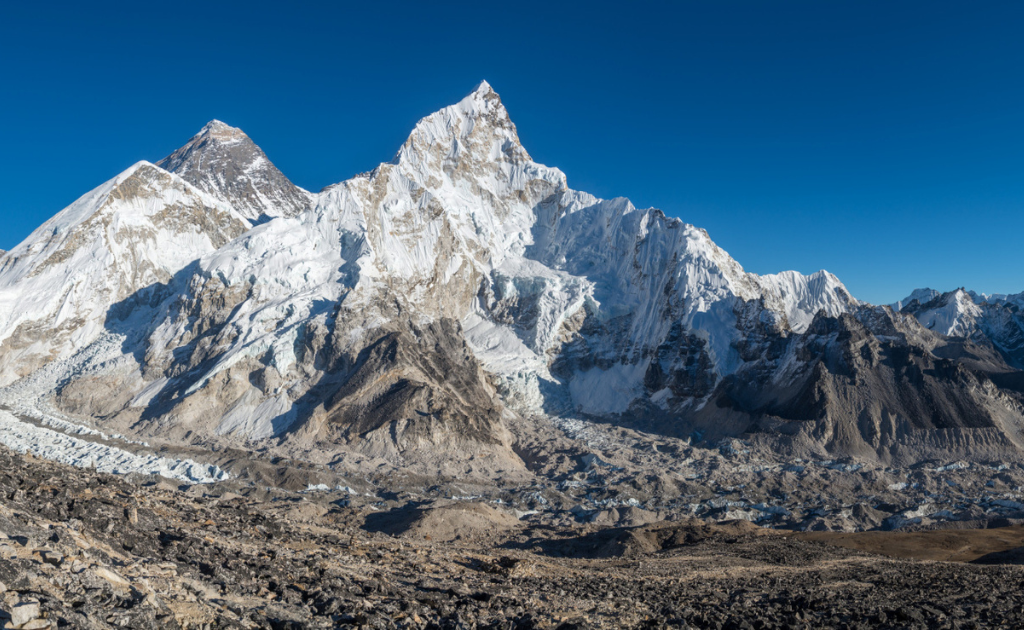
Just above Namche, the dramatic moment comes: your first clear view of Mount Everest (8,848.86m). Seeing the world’s highest peak in person is a memory that stays with every trekker forever. Alongside Everest, the graceful Ama Dablam (6,812m) rises like a sculpted masterpiece, while Lhotse (8,516m) and Nuptse (7,861m) dominate the skyline. The contrast of jagged snow-capped peaks against green valleys below makes this trail an unforgettable panorama.
The path winds through alpine forests, dotted with rhododendron and pine trees, and along rocky trails that test your footing while revealing ever-changing views of the surrounding peaks. Arriving at Tengboche Monastery, perched dramatically on a ridge, you’re surrounded by Himalayan giants, making it a prime location for both reflection and photography. The monastery itself is a spiritual heart of the region, hosting colorful prayer ceremonies that offer insight into Sherpa culture and Buddhist traditions.
For trekkers keen on photography, this stretch is invaluable. Early mornings and late afternoons provide soft lighting, casting shadows over the mountains and making the peaks glow against the sky. Additionally, the monastery and the surrounding village offer cultural layers that enrich your trekking experience.
Up Close with the Peaks: From Tengboche to Dingboche
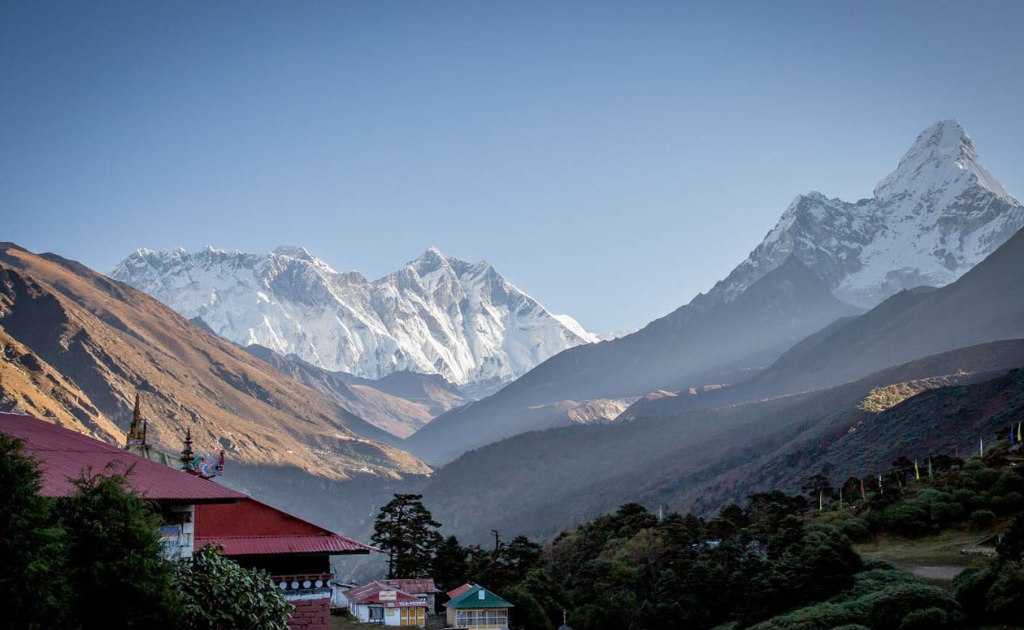
As you leave the spiritual heights of Tengboche Monastery, the trail guides you deeper into the heart of the Khumbu region, where the Himalayas begin to feel impressively close. This section of the Everest Base Camp trek takes you past rolling hills, terraced fields, and high alpine landscapes, steadily bringing the region’s iconic peaks into sharper focus. Among the stars of the skyline is Ama Dablam (6,812m), which seems almost within reach, its striking pyramid shape a favorite subject for photographers.
Along the way, trekkers also spot Island Peak (Imja Tse, 6,189m), Taboche (6,495m), and Cholatse (6,440m). Lhotse (8,516m) grows more prominent, towering over the surrounding valleys, and every bend in the trail reveals a new, breathtaking perspective of these Himalayan giants. This part of the trek is known for its wide, open landscapes, allowing for panoramic views that are both humbling and inspiring.
The village of Dingboche is a highlight for acclimatization. Nestled in a sunny valley surrounded by towering mountain walls, it’s a perfect spot to rest, enjoy warm meals, and prepare your body for higher altitudes ahead. The open terrain here allows trekkers to truly appreciate the scale of the mountains, the vastness of the glaciers, and the serene beauty of the Khumbu region. Dingboche also serves as a base for side hikes, such as Nangkartshang Peak, which offers stunning 360° views of the surrounding peaks, including Makalu and Cho Oyu in the distance.
Trekking from Tengboche to Dingboche is not only about reaching the next stop it’s about immersion in the raw beauty of the Himalayas, the peaceful Sherpa villages, and the evolving landscape that gradually shifts from forested trails to rugged alpine terrain. Every step brings you closer to the heart of the Everest region and a more intimate experience with its world-famous peaks.
Into the Ice World: Scenic Trail from Dingboche to Lobuche
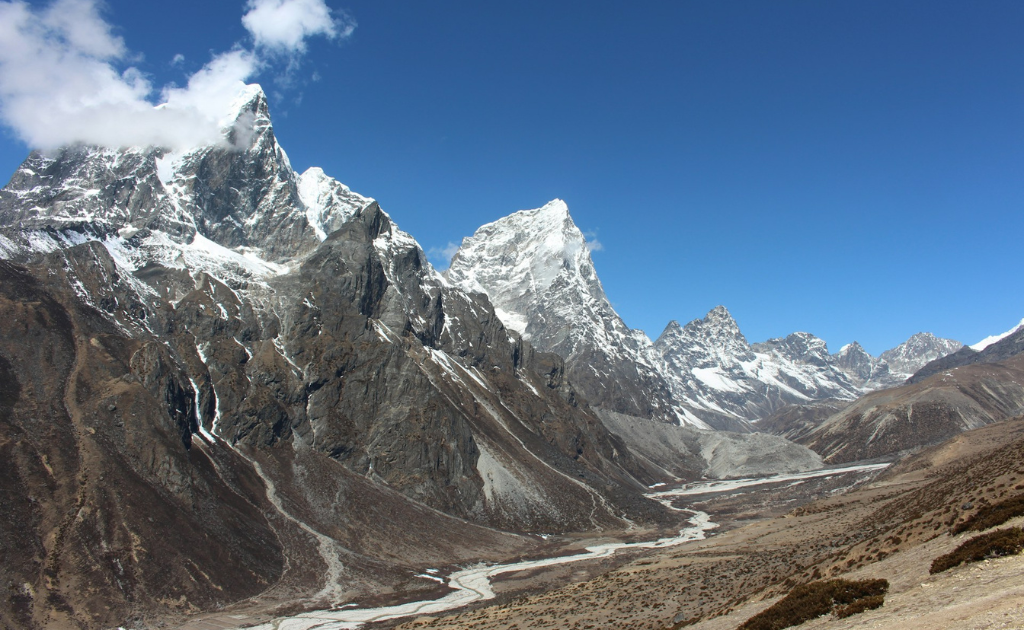
Leaving the relative warmth and greenery of Dingboche, the trek takes on a dramatically different character. Trees gradually disappear, replaced by rocky, glacial terrain as you ascend toward Lobuche. This part of the Everest Base Camp trek introduces trekkers to the stark, raw beauty of the high Himalayas, where the landscape becomes more barren and the air noticeably thinner.
The trail passes Thukla Pass, a solemn memorial site honoring climbers who lost their lives attempting Everest. The area is not only emotionally moving but also offers expansive views of towering peaks such as Pumori (7,165m), Lingtren (6,749m), Khumbutse (6,636m), and the two summits of Lobuche East and West. These peaks dominate the horizon, giving a true sense of scale to the Everest region’s rugged terrain.
The environment feels almost lunar: rocky moraines, scattered boulders, and icy winds create a surreal backdrop for the trek. Every few steps reveal a new perspective of glaciers, snow-covered ridges, and sharp mountain faces. It’s a place where the enormity of the Himalayas can make even the most experienced trekkers pause in awe.
Lodges in Lobuche are basic but welcoming, and this stop is an important opportunity for rest and preparation before reaching higher altitudes. Trekkers often use this village to acclimatize and enjoy views of nearby peaks at sunrise or sunset, when the mountains are bathed in golden light. Photography here can be particularly rewarding, with dramatic contrasts of light and shadow across the glacial landscape.
Reaching Everest Base Camp: A Dream Come True
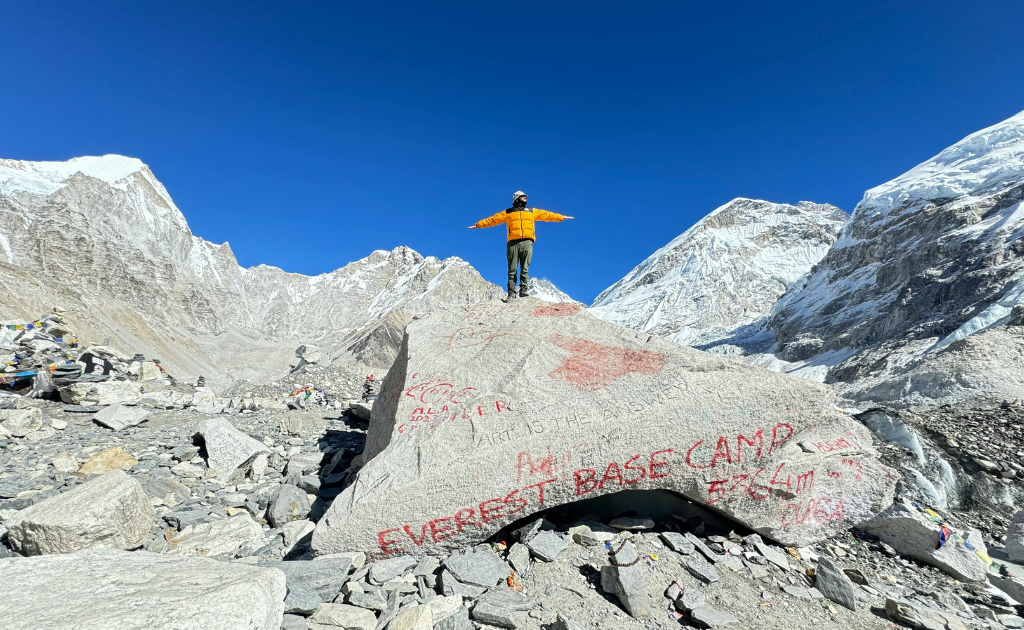
The trek from Lobuche to Everest Base Camp (EBC) is the culmination of weeks of effort, and every step feels charged with anticipation. Walking alongside the massive Khumbu Glacier, you are surrounded by some of the most iconic peaks of the region. The trail here is rocky and challenging, but the scenery makes every step worth it. Along the way, trekkers cross the lateral moraine, spot icefalls, and pass the vibrant expedition camps filled with colorful tents and fluttering prayer flags.
Upon reaching Everest Base Camp (5,364m), the sense of achievement is overwhelming. While the summit of Everest isn’t visible from EBC itself, you are framed by Nuptse, Pumori, Khumbutse, and the towering ice walls that lead to the South Col. The camp is a hive of activity during climbing season, with mountaineers preparing for their summit bids, providing a glimpse into the determination, discipline, and camaraderie of high-altitude mountaineering.
EBC is more than just a landmark; it’s a symbol of human ambition and the enduring allure of the Himalayas. The surrounding landscape is both rugged and mesmerizing, offering trekkers incredible opportunities for photography, reflection, and inspiration. Spending time here allows you to absorb the grandeur of the mountains, witness the dynamic ice formations of the Khumbu Glacier, and feel the deep connection that many adventurers describe as life-changing.
Kala Patthar: Best Everest Viewpoint in the Himalayas
For trekkers seeking the ultimate panoramic view of Mount Everest, a hike to Kala Patthar (5,644m) is an absolute must. Located near Gorakshep, this rocky outcrop provides the clearest, most iconic perspective of Everest’s summit, as well as a sweeping view of surrounding peaks such as Nuptse, Pumori, and the distant Changtse in Tibet. Many consider watching the sunrise from Kala Patthar a once-in-a-lifetime experience, as the early morning light illuminates the Himalayas in brilliant shades of orange, pink, and gold.
The trek to Kala Patthar is challenging, especially when starting in the dark pre-dawn hours to reach the summit for sunrise. The climb involves steep, rocky trails, but the reward is unparalleled. Along the way, trekkers are treated to constantly changing vistas, capturing the vast scale of the Khumbu Glacier, neighboring peaks, and the intricate network of moraine ridges.
Besides breathtaking views, Kala Patthar also offers unique opportunities for Himalayan photography. The contrast between the icy foreground, prayer flags fluttering in the wind, and the massive Everest backdrop makes every photo spectacular. Trekkers are advised to carry warm layers, headlamps, and enough water, as conditions can be harsh at this altitude.
For detailed trekking guidance and preparation tips for Kala Patthar, visit Yatri Trekking Kala Patthar Guide or explore Himalayan Adventure Insights.
Top Panoramic Spots You Shouldn’t Miss on the EBC Trek
While Kala Patthar offers the most iconic Everest view, the Everest region is dotted with multiple scenic spots that provide breathtaking Himalayan panoramas. These locations are perfect for photography, reflection, and soaking in the grandeur of the mountains.
Everest View Hotel: Located near Namche Bazaar, this serene spot is ideal for enjoying a hot cup of tea while admiring Mount Everest from a distance. The hotel offers easy access for those who want a comfortable start to their trekking days and photo opportunities without a strenuous climb.
Tengboche Monastery: Perched on a ridge, Tengboche combines spiritual significance with stunning scenery. With Ama Dablam towering behind it, this is one of the most photographed monasteries in Nepal. The monastery’s prayer ceremonies add a cultural layer to the already mesmerizing views.
Thukla Pass: Not only is it a memorial for climbers who lost their lives on Everest, but it also offers dramatic vistas of Lobuche East, Pumori, and surrounding glaciers. This spot is ideal for trekking reflections and capturing the rugged Himalayan landscape.
Nangkartshang Peak: A popular acclimatization hike from Dingboche, Nangkartshang Peak provides expansive 360° views of Everest, Lhotse, Makalu, and other surrounding giants. It’s a less crowded spot where trekkers can enjoy the mountains in relative solitude.
Gokyo Ri: For trekkers including the Gokyo Lakes route, this peak is unparalleled. From its summit, you can see Everest, Cho Oyu, Makalu, and even distant mountains in Tibet. The view combines turquoise glacial lakes with soaring peaks a truly unique perspective of the Khumbu region.
Each of these viewpoints offers a different angle of the Himalayas, allowing trekkers to appreciate the diversity of the landscape. Whether you’re a seasoned photographer or simply a nature enthusiast, these panoramic spots are must-visits on your Everest Base Camp trek.
Tips to Capture Perfect Mountain Photos on the Trail
Capturing the majestic Himalayan peaks on the Everest Base Camp trek doesn’t require professional equipment what matters most is timing, patience, and perspective. With a few simple strategies, you can create stunning images that reflect the grandeur of the mountains and the spirit of the trek.
Shoot Early in the Morning: Clear skies are more common at dawn, and the soft light casts beautiful shadows across the peaks. The golden hour is perfect for capturing Mount Everest, Ama Dablam, and Lhotse in their most dramatic light.
Use Lightweight Gear: Whether it’s a DSLR, mirrorless camera, or a high-quality smartphone, keeping your gear light ensures you can focus on trekking without strain. Consider a small tripod for stable shots, especially during sunrise or low-light conditions.
Keep Batteries Warm: Cold temperatures at high altitudes (above 4,000m) drain batteries quickly. Keep spares in inner pockets close to your body to maintain warmth.
Take Your Time: Some of the best photos come from simply pausing and observing. Look for unique angles, reflections in glacial lakes, and the way sunlight interacts with the peaks.
Include Foreground Elements: Add scale and storytelling to your photos by including trekkers, prayer flags, tea houses, or stone walls. This gives a sense of depth and makes the grandeur of the Himalayas more relatable.
Be Present: Photography is also about experiencing the moment. Sometimes, the most memorable “photos” are those etched in your memory rather than on a camera. Pause, breathe, and soak in the landscapes around you.
Final Thoughts: A Trek Full of Mountain Magic
The Everest Base Camp trek is much more than a journey to a famous destination it’s an immersive experience through some of the world’s most spectacular landscapes. From the thrilling Lukla flight to the panoramic views from Kala Patthar, each day brings new scenery, cultural encounters, and unforgettable memories. The trek is a perfect blend of adventure, spirituality, and natural beauty, leaving a lasting impression on every traveler.
Every section of the trail from lush Sherpa villages and alpine forests to barren glacial terrain offers unique perspectives of the Himalayas. You witness towering peaks like Everest, Lhotse, Nuptse, Ama Dablam, and more, all while learning about the vibrant Sherpa culture, visiting monasteries, and connecting with local communities. The journey challenges your body, sharpens your mind, and enriches your soul.
Photography, trekking, and cultural exploration combine to make this journey profoundly rewarding. Even after reaching Everest Base Camp or the summit of Kala Patthar, the trek doesn’t just end it leaves a lasting sense of accomplishment and wonder. For many, the experience sparks a deeper appreciation for the mountains, the people who inhabit them, and the incredible power of nature.
If you’re planning your Everest Base Camp adventure, let Yatri Trekking guide you. With experienced local guides, comfortable lodges, and in-depth knowledge of the region, we ensure your trek is safe, enjoyable, and unforgettable. From acclimatization strategies to insider tips on the best photo spots, we help you experience the magic of the Himalayas up close and personal.
.webp)
Ashish Gurung
Call us on WhatsApp+977 9851087925OrChat with us