Api Himal Expedition: Nepal’s Wild Far West Challenge
Raju Gurung
Last Updated on Feb 23, 2026
Api Himal (7,132 meters) stands proudly in the remote northwest corner of Nepal, near the border with Tibet. Unlike the more commercialized climbing peaks in the Khumbu or Annapurna regions, the Api Himal expedition offers a truly wild adventure into Nepal’s far west – an area that remains largely untouched by modern tourism. This is not just a mountain expedition; it's a journey into one of Nepal’s least explored territories.
The climb begins with a scenic flight to Dhangadhi or a long drive through diverse terrain, followed by days of trekking through lush forests, high alpine meadows, and traditional villages inhabited by the Byasi and Khas communities. What makes the Api Himal expedition uniquely challenging is not just the altitude, but the remoteness. There’s little to no infrastructure here, meaning climbers must be fully self-sufficient and experienced in alpine-style ascents.
Unlike the Everest or Manaslu routes, you won’t find teahouses or busy base camps. Instead, climbers are rewarded with serene landscapes, total solitude, and an intimate connection with nature. For experienced mountaineers looking for a rare 7,000-meter peak with real adventure, Api Himal is a hidden gem.
Thinking of venturing into Nepal’s wild far west?Contact Yatri Trekkingto start planning your Api Himal expedition. Let our expert guides help you navigate this demanding, but unforgettable, journey.
Table of Contents
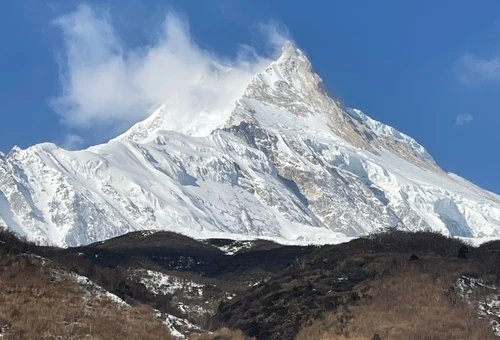
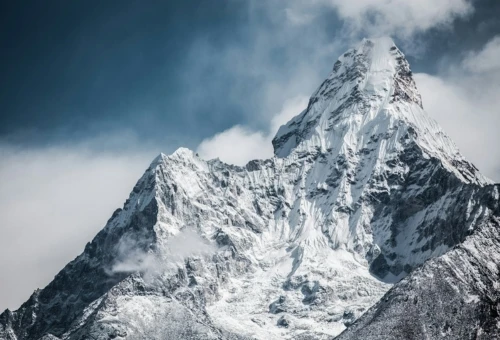
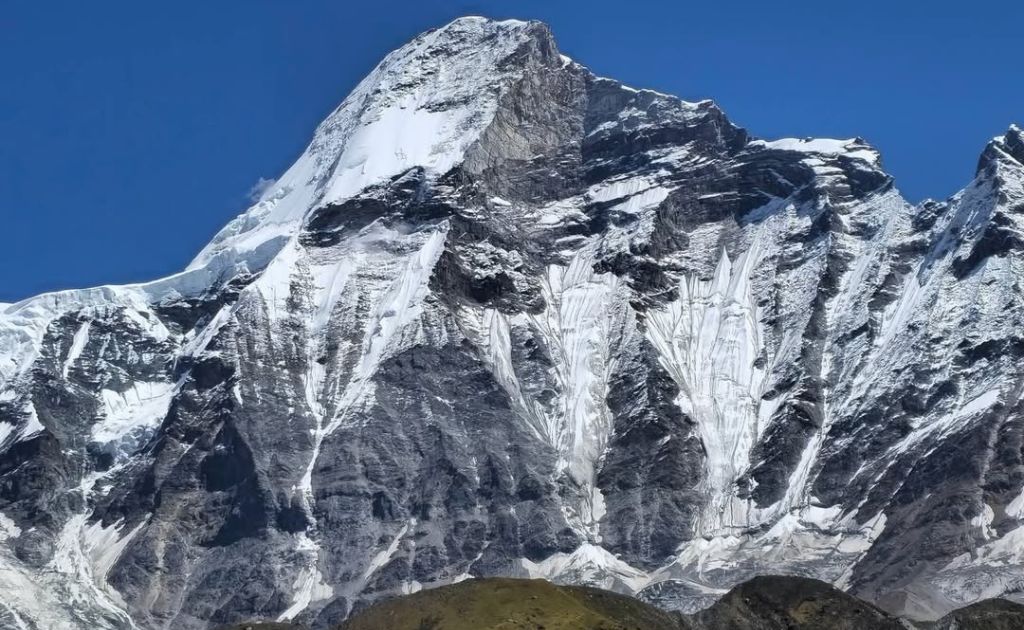
Api Himal (7,132 m), one of Nepal’s most isolated and least climbed Himalayan giants, standing tall in the far west.
What Makes Api Himal One of the Most Isolated Peaks to Climb in Nepal?
Api Himal stands tall and silent in the far-western corner of Nepal, rising to 7,132 meters in the remote Darchula district. Unlike Nepal’s popular trekking peaks such as Island Peak or Lobuche East, Api Himal doesn’t draw crowds. In fact, it remains one of the least climbed and most isolated mountains in the country. The region is so untouched that even reaching Api Base Camp feels like an expedition in itself.
There are no bustling tea house trails here just raw wilderness. Trekkers must travel for days through rugged terrain, crossing rivers, thick rhododendron forests, high ridges, and remote valleys without marked trails or modern infrastructure. The journey typically begins with a flight to Dhangadhi or a long drive from Kathmandu, followed by several days of off-the-grid trekking before even catching a glimpse of the mountain. Due to the lack of established camps and emergency services, this is a climb strictly meant for highly experienced mountaineers, not beginners or casual trekkers.
Adding to its remoteness, the Api Himal region is cut off from basic modern facilities. You won’t find mobile networks, banks, or resupply stations. Communication is minimal, and rescue services are nearly non-existent. This means that climbers must carry everything they need, from technical gear to food supplies. It’s not just a test of mountaineering skill it’s a test of self-sufficiency and wilderness survival.
Yet, this very isolation is what makes climbing Api Himal such a rare and rewarding experience. You’ll walk through forgotten Himalayan villages where traditional life remains unchanged. The cultural richness of Darchula, shaped by Tibetan influence and unique local customs, adds a deeply human element to the climb. The trails pass ancient monasteries, highland grazing meadows, and quiet forests where you’re more likely to meet a yak herder than another trekker.
For those who seek genuine solitude, alpine challenge, and a deep cultural journey, climbing Api Himal is one of the most unique adventures in Nepal. It's a place where nature remains unspoiled and where mountaineering still feels like a true expedition far from commercialized routes and tourist-heavy base camps.
If you're an advanced climber looking to escape the usual crowds and explore Nepal's most remote peaks, Api Himal might just be the ultimate wilderness ascent.
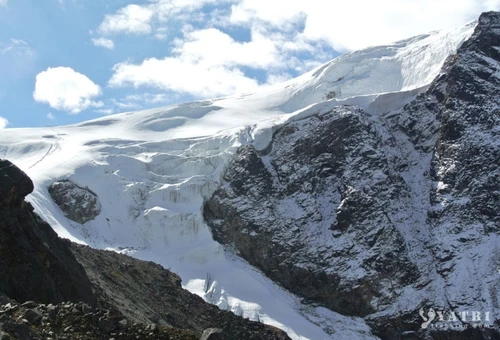
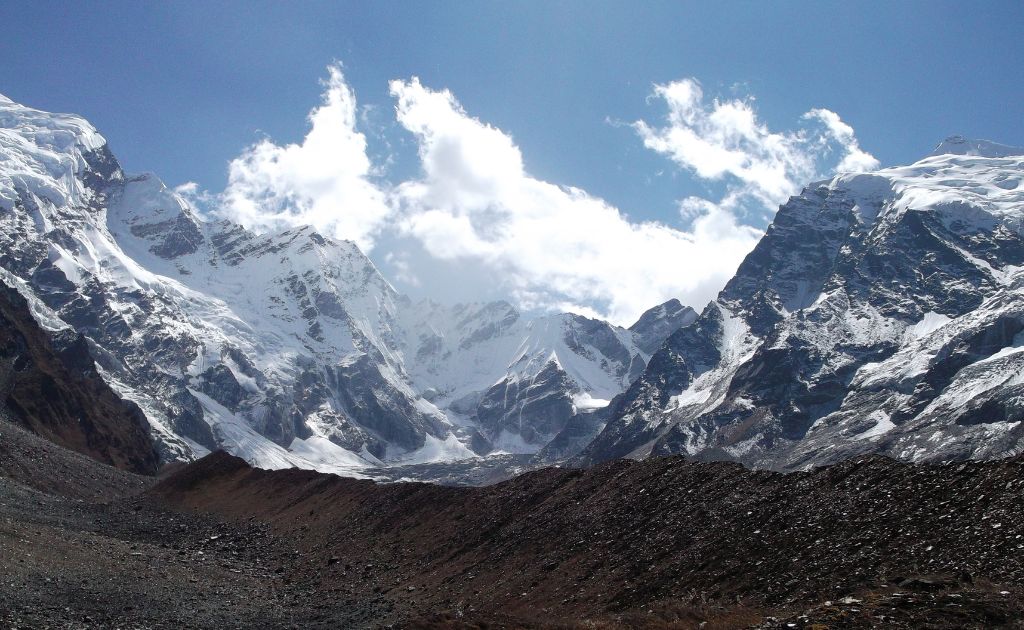
The journey to Api Himal Base Camp is an expedition itself—days of trekking through untouched wilderness.
Api Himal: A Rare Climbing Experience in the Untouched Himalayas
Api Himal isn’t just another name on Nepal’s long list of Himalayan giants it’s an expedition that takes you deep into one of the most untouched and spiritually rich corners of the country. Towering at 7,132 meters, Api Himal rises dramatically above the far-western valleys of Darchula, offering a truly off-the-beaten-path mountaineering experience. The peak’s sharp ridgelines, steep snow walls, and commanding views into Tibet and India make it one of Nepal’s most visually arresting yet least climbed 7,000-meter summits.
What sets Api Himal climbing apart isn’t just the altitude it’s the rare combination of technical challenge, cultural immersion, and raw wilderness. Unlike commercialized peaks like Mera Peak or Island Peak, Api offers solitude. Very few climbers reach this summit each year, which means you're not just following in others' footsteps you're often breaking trail.
The journey begins with a trek through the Api Nampa Conservation Area, one of Nepal’s least explored protected regions. This area is home to Himalayan black bears, blue sheep, musk deer, and an incredible variety of birdlife, including Himalayan monals and lammergeiers. Alongside this rich biodiversity, you’ll pass through ancient highland villages, Buddhist monasteries, and communities that still live in harmony with nature and tradition. These villages unlike those in heavily trekked areas remain largely untouched by mass tourism, offering a rare glimpse into traditional Himalayan life.
Technically, the Api Himal expedition is no small feat. The climb demands advanced alpine skills: ice axe use, fixed rope techniques, crevasse rescue knowledge, and high-altitude endurance are all essential. With unpredictable weather, frequent snowstorms, and shifting glacier conditions, timing and proper acclimatization become crucial. This is why climbing with professional guides like those from Yatri Trekking who specialize in custom expeditions is highly recommended.
There are no crowds, no lodge comforts, and no easy exits. Instead, Api offers something deeper: a sense of true exploration. It’s not just about summiting a peak it’s about venturing into a region where nature rules, where culture is raw and unfiltered, and where every step feels earned.
For seasoned climbers looking to go beyond the familiar routes and experience mountaineering in Nepal in its purest form, Api Himal delivers a journey that’s equal parts physical challenge and spiritual discovery.
Learn more about the Api Nampa Conservation Area to understand the ecological and cultural richness that surrounds this hidden Himalayan gem.

.webp)