Best Time to Trek: Kanchenjunga vs Makalu Base Camp
Ashish Gurung
Last Updated on May 22, 2026
Choosing the right season can completely change your trekking experience in Nepal’s eastern Himalayas. Both the Kanchenjunga Trek and Makalu Base Camp Trek offer remote trails, dramatic mountain landscapes, rich local culture, and peaceful trekking routes far from the crowds. However, weather conditions, trail safety, and mountain visibility vary greatly throughout the year.
If you are wondering about the best time to trek Kanchenjunga or Makalu Base Camp, this guide will help you understand the ideal trekking seasons, weather patterns, trail conditions, and months to avoid. Whether you are looking for crystal-clear Himalayan views, blooming rhododendron forests, or safer high-pass crossings, choosing the right trekking season is important for a successful adventure.
At Yatri Trekking, we help trekkers plan the perfect Himalayan journey based on weather, experience level, and travel goals. You can also explore our Kanchenjunga Trek Package and Makalu Base Camp Trek for detailed itineraries and trip information.
Table of Contents
Weather Patterns and Seasonal Differences: Kanchenjunga vs Makalu Base Camp
Both the Kanchenjunga and Makalu Base Camp treks explore Nepal’s remote eastern Himalayan region, but their weather patterns differ slightly due to geography, elevation, and exposure to monsoon systems. Understanding these seasonal differences can help you choose the best trekking window for better mountain views, safer trails, and a more enjoyable journey.
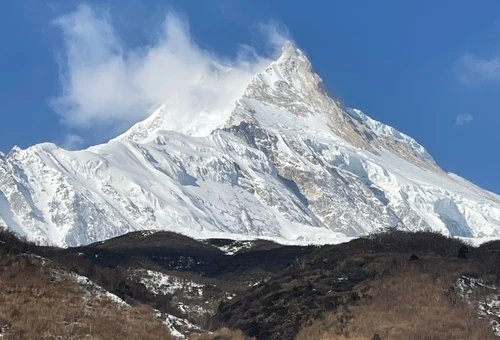
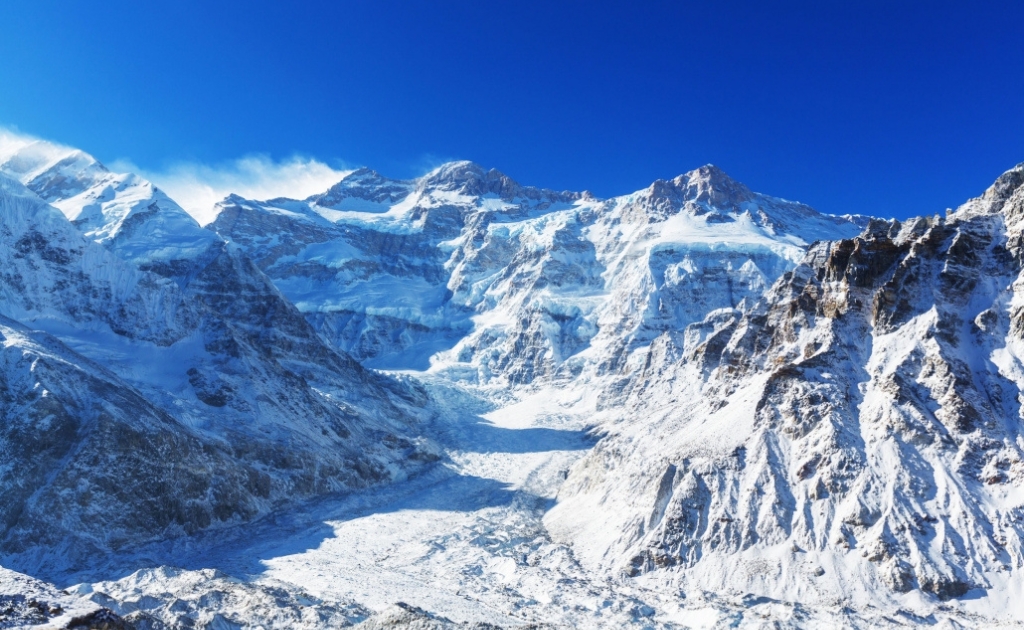
The majestic white snowy peaks of Kanchenjunga create one of the most breathtaking mountain landscapes in the Himalayas of eastern Nepal.
Kanchenjunga, located in far eastern Nepal near the Indian border, receives stronger monsoon influence compared to many other trekking regions in Nepal. Spring (March to May) brings stable weather, warmer temperatures at lower elevations, and colorful rhododendron forests covering the hillsides. The trails feel vibrant and alive during this season, making it one of the best times for photography and nature lovers. Autumn (late September to November) is equally popular because of its dry weather, fresh mountain air, and spectacular views of the Kanchenjunga massif.
Winter (December to February), however, can be extremely cold in higher sections above 3,500 meters. Heavy snowfall often blocks remote passes and makes trekking more difficult, especially near Sele La Pass and Pangpema.
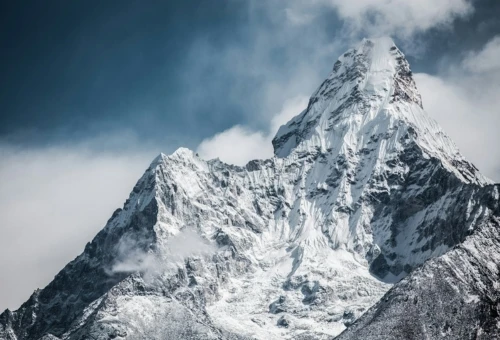
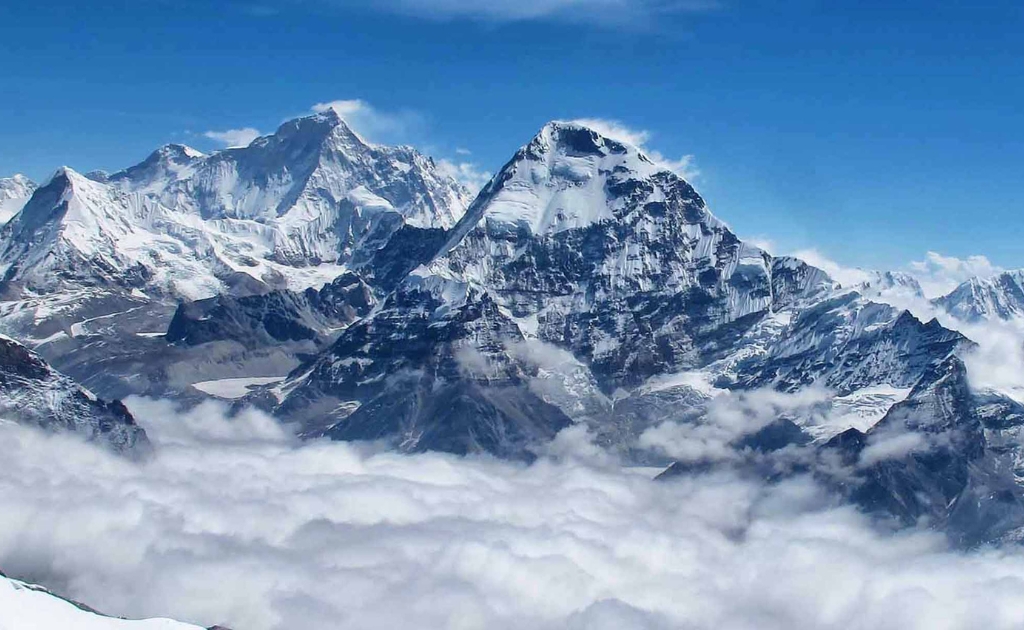
The towering snowy peak of Makalu rises above drifting clouds, creating a dramatic and unforgettable Himalayan mountain view in eastern Nepal.
Makalu Base Camp, located closer to the Everest region, follows a similar seasonal pattern but tends to be slightly drier overall. Spring and autumn are considered the best trekking seasons due to stable weather, comfortable daytime temperatures, and excellent mountain visibility. During spring, trekkers enjoy blooming alpine forests and clearer mornings, while autumn offers dry trails and stunning Himalayan panoramas after the monsoon rain clears the atmosphere.
Even though Makalu receives slightly less rainfall than Kanchenjunga, winter snow still heavily affects higher sections around Shipton La Pass and Makalu Base Camp.
When to Avoid Trekking: Heavy Rain, Snow & Harsh Conditions
While both the Kanchenjunga and Makalu Base Camp treks are among the most rewarding trekking routes in Nepal, some months bring difficult weather, unsafe trails, and limited trekking services. Understanding when not to trek is just as important as choosing the best season.
Monsoon Season (June to Mid-September)
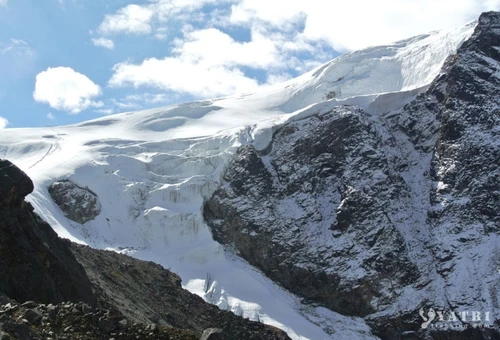
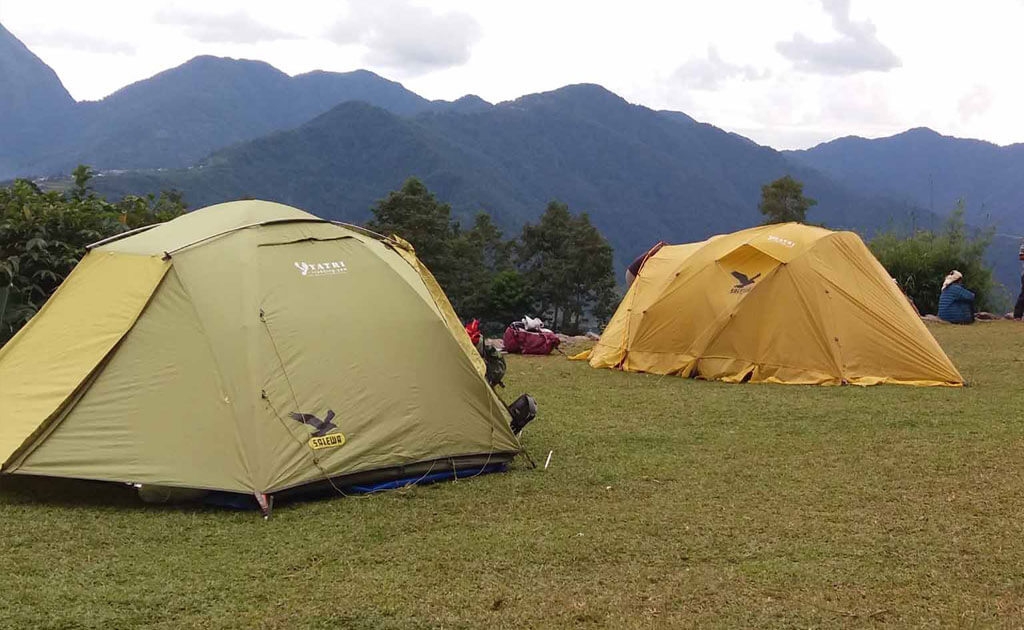
Monsoon trekking in the Kanchenjunga region brings lush green landscapes, cloudy mountain scenery, and peaceful camping experiences in remote eastern Nepal.
The monsoon season is generally not recommended for trekking in eastern Nepal. During this time, Kanchenjunga receives heavy rainfall, especially in lower areas like Taplejung, Mitlung, and Sekathum. Trails become muddy, slippery, and harder to walk on safely. Landslides and road blockages are also common, especially on remote mountain roads leading to the trekking starting points.
Leeches, insects, and poor mountain visibility can make the journey uncomfortable for many trekkers. Since clouds often cover the Himalayan peaks, you may miss the dramatic mountain scenery that these treks are famous for.
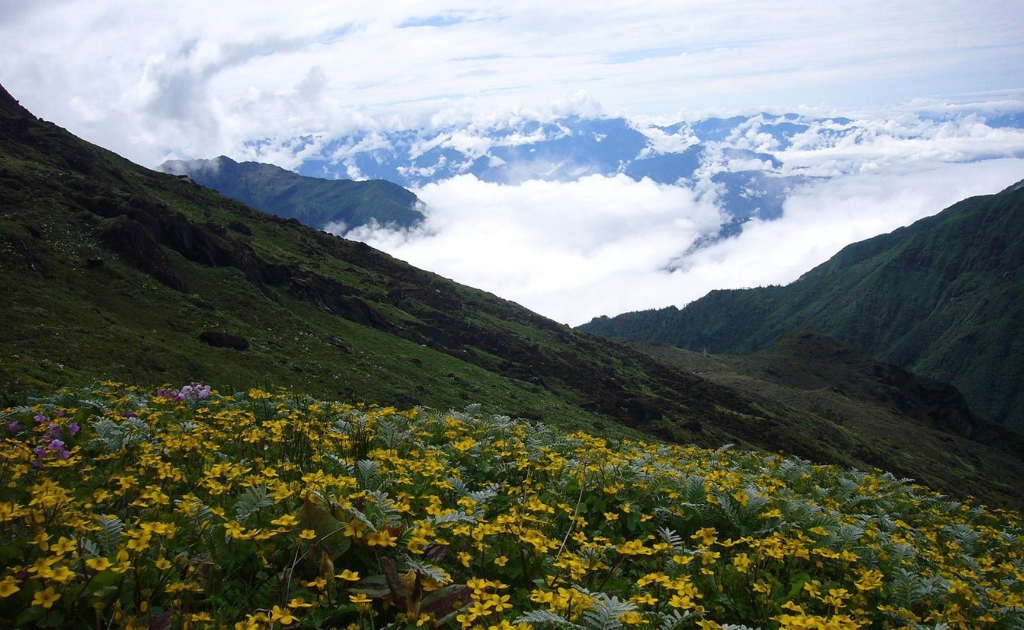
The Makalu region during monsoon season comes alive with lush green hills, colorful alpine flowers, and dramatic cloud-covered Himalayan landscapes.
Makalu Base Camp experiences similar monsoon challenges, especially around the Arun Valley region. Continuous rain can affect trail conditions, river crossings, and visibility. Although Makalu is slightly drier than Kanchenjunga, monsoon trekking still requires extra caution and flexibility.
Unless you specifically enjoy off-season trekking and are fully prepared for wet conditions, monsoon is usually best avoided for both treks.
Winter Season (December to February)
Winter trekking in Kanchenjunga and Makalu becomes much more challenging due to freezing temperatures and deep snow at higher elevations. Areas above 3,800 meters often receive heavy snowfall, making high passes like Sele La and Shipton La dangerous or inaccessible.
Night temperatures regularly fall below -15°C, and strong winds at higher camps can make conditions extremely harsh. Some tea houses and lodges also close during winter because fewer trekkers visit these remote regions.
Despite the challenges, experienced trekkers who are properly equipped can still enjoy peaceful trails, dramatic snow-covered landscapes, and fewer crowds during winter months. However, trekking with an experienced guide is highly recommended.
Pro Tip: Always check local weather forecasts and trail conditions before starting your trek. At Yatri Trekking, we provide real-time route updates and personalized trekking advice to help you travel safely in every season.
Best Months for Views and Trail Conditions
If your goal is to enjoy clear mountain views, comfortable temperatures, and safer trekking trails, then spring and autumn are the best seasons for both Kanchenjunga and Makalu Base Camp treks. These months provide the perfect balance of weather, scenery, and trekking conditions.
Spring (March to May)
Spring is one of the most beautiful trekking seasons in Nepal. In the Kanchenjunga region, forests burst into color with blooming rhododendrons, magnolias, and wildflowers covering the hillsides. The weather is usually stable, with moderate daytime temperatures and excellent visibility during the mornings.
Spring is especially popular among photographers and nature lovers because the combination of colorful forests and snow-covered Himalayan peaks creates stunning scenery throughout the journey.
Makalu Base Camp is equally impressive during spring. The trails become greener, temperatures remain comfortable, and high-altitude sections are generally safer compared to winter months. Occasional afternoon clouds may appear, but mornings often provide breathtaking views of Makalu, Everest, Chamlang, and surrounding peaks.
If you enjoy nature, moderate temperatures, and vibrant landscapes, spring is one of the best times to trek in eastern Nepal.
Autumn (Late September to November)
Autumn is widely considered the best trekking season in Nepal. After the monsoon rain clears the atmosphere, trekkers enjoy crystal-clear skies, dry trails, and incredible mountain visibility.
Both Kanchenjunga and Makalu Base Camp look spectacular during autumn. Fresh mountain air, stable weather, and comfortable temperatures create ideal trekking conditions for both beginners and experienced trekkers. Tea houses and lodges are fully operational, and local villages become lively with post-harvest activities and cultural celebrations.
Autumn is also the best season for photography because the mountains appear sharper and more dramatic under the clear blue skies.
If you are searching for the best Himalayan views and the most reliable weather, autumn is the perfect time for your trek.
Tips for Trekking During Monsoon or Winter
Trekking to Kanchenjunga or Makalu Base Camp during monsoon or winter can still be rewarding for adventurous trekkers who enjoy quieter trails and unique mountain landscapes. However, preparation becomes extremely important during these off-season months.
Monsoon Trekking Tips:
Carry high-quality waterproof jackets, trekking pants, and backpack covers to stay dry throughout the journey.
Wear sturdy hiking boots with strong grip for slippery and muddy trails.
Use anti-leech socks and insect repellent, especially in lower forest areas.
Keep daily walking distances shorter to avoid trekking during heavy afternoon rain.
Stay updated on landslides and trail closures through local guides or trekking agencies.
Pack quick-drying clothes and extra socks to stay comfortable during wet conditions.
Monsoon trekking also offers greener landscapes, fewer crowds, and a peaceful trekking experience for travelers who enjoy remote adventures.
Winter Trekking Tips:
Dress in layers using thermal clothing, insulated jackets, gloves, and warm hats.
Carry a sleeping bag rated for sub-zero temperatures for cold mountain nights.
Use trekking poles for better balance on snowy and icy sections.
Confirm lodge availability in advance because many tea houses close during winter.
Start trekking early each morning to maximize daylight hours.
Hire experienced local guides who understand winter mountain conditions and emergency routes.
Winter trekking rewards adventurers with peaceful trails, dramatic snow-covered Himalayan scenery, and a completely different trekking experience compared to peak seasons.
Thinking about an off-season adventure? Contact Yatri Trekking for customized winter and monsoon trekking packages designed for safe and memorable Himalayan journeys.

.webp)