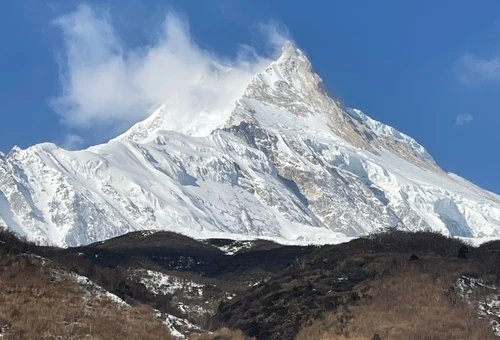
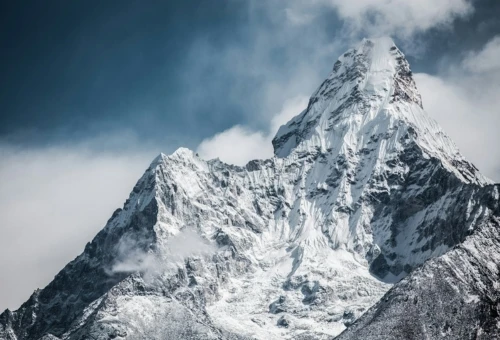
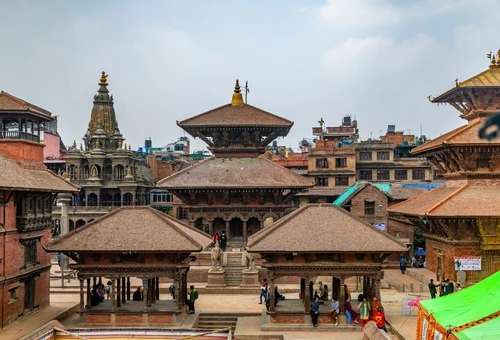
If you want to move from high-altitude trekking to Himalayan climbing, Nepal is one of the best places to start. The country has several 6,000-meter trekking peaks that offer first-time climbers a chance to learn basic mountaineering skills while experiencing the Himalayas up close.
Among the most popular 6000m peaks in Nepal are Mera Peak (6,476m), Island Peak (6,189m), and Lobuche East (6,119m). Each has a different level of technical difficulty, terrain, and climbing experience.
Although these are suitable for prepared beginners, a 6,000-meter climb is still a serious high-altitude adventure. Good fitness, acclimatization, proper equipment, and an experienced climbing guide are essential.
Table of Contents
Island Peak (6,189m) – A Classic Start for First-Time Climbers
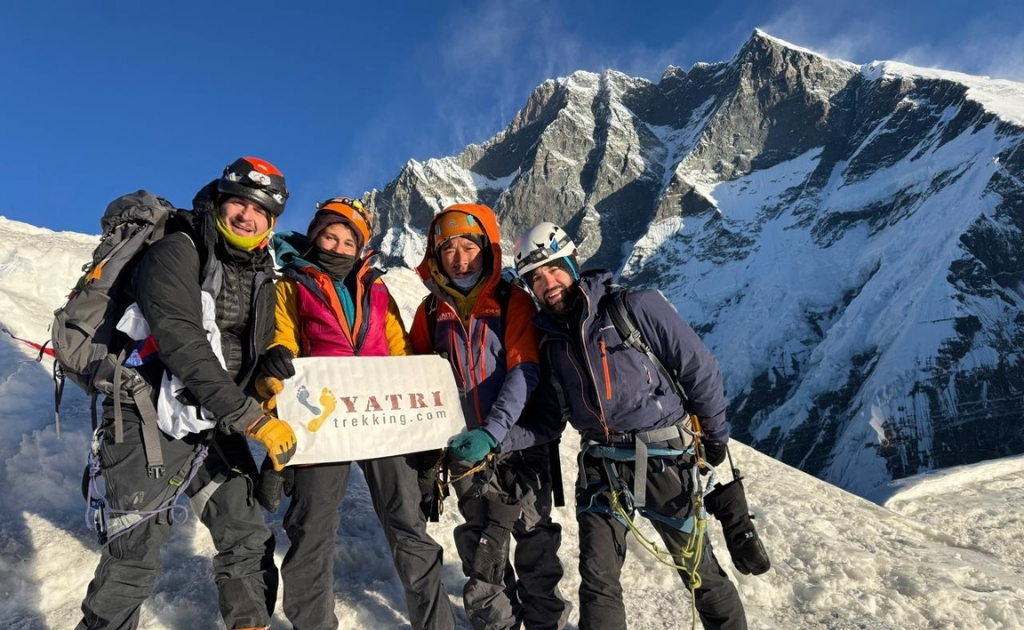
Island Peak offers first-time climbers an exciting introduction to semi-technical Himalayan climbing.
Island Peak, also called Imja Tse, is one of the most popular beginner climbing peaks in Nepal. Located in the Everest region, it offers a great combination of trekking, glacier travel, and basic technical climbing.
The final climb includes steep snow and ice, where climbers use crampons, an ice axe, harness, and fixed ropes. Previous climbing experience is not always necessary, as proper training is provided before the summit attempt, but good fitness and preparation are important.
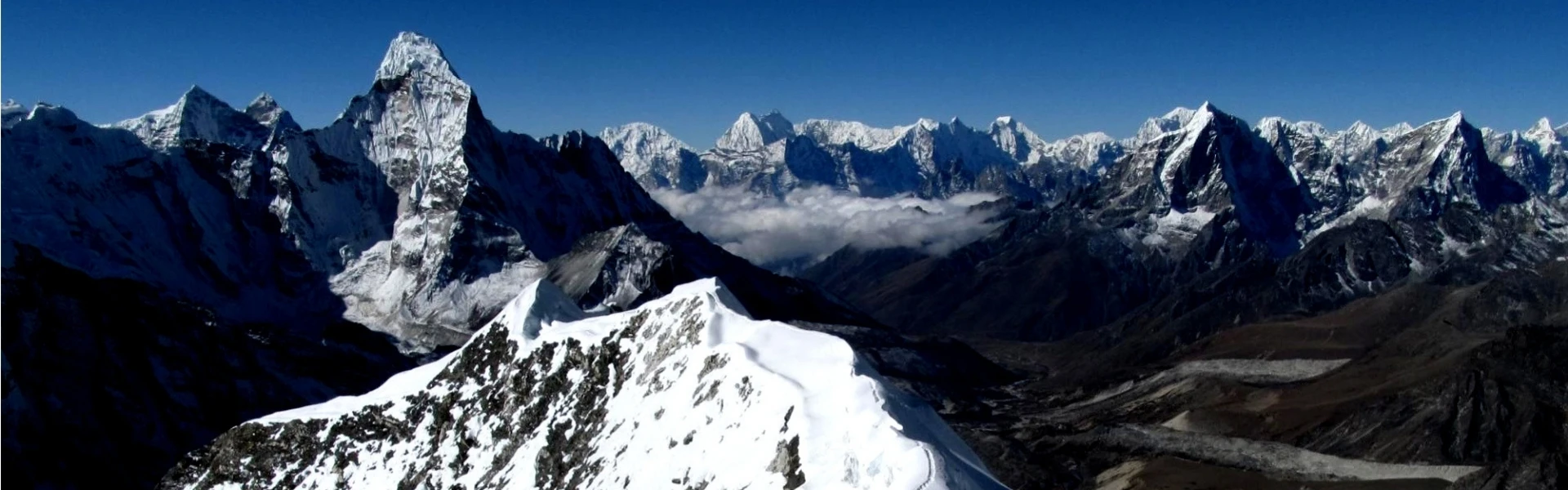
Island Peak is often combined with the Everest Base Camp Trek, providing valuable acclimatization along the way. From the summit, you can enjoy impressive views of Lhotse, Makalu, Ama Dablam, and Baruntse.
If you want your first Himalayan climb to include real glacier and rope experience, Island Peak is an excellent choice.
Mera Peak (6,476m) – Nepal’s Highest Trekking Peak for Beginners
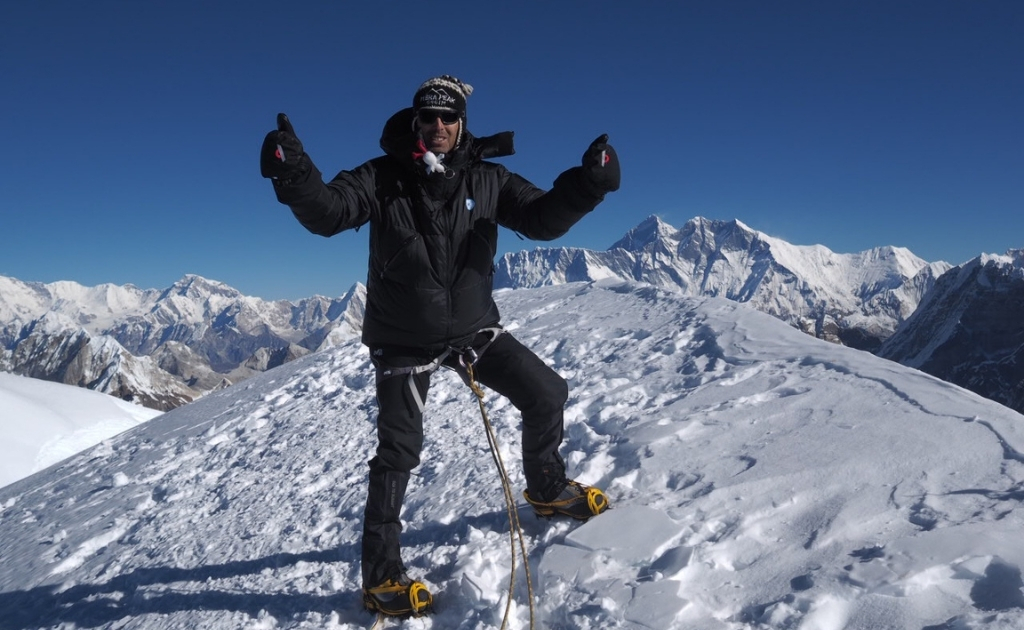
Mera Peak combines high-altitude adventure with spectacular Himalayan views from Nepal’s Hinku Valley.
At 6,476 meters, Mera Peak is widely known as Nepal’s highest trekking peak and is one of the most popular choices for first-time high-altitude climbers.
The route passes through the remote Hinku Valley in the Khumbu region, offering forests, traditional villages, glaciers, and spectacular mountain scenery. Compared with the main Everest Base Camp route, Mera Peak provides a quieter and more remote trekking experience.
The climb is generally less technical than Island Peak or Lobuche East, although climbers still need crampons, an ice axe, rope systems, and glacier-travel skills. The main challenges are altitude, cold, endurance, and the long summit day.
Discover our Mera Peak Climbing package for guided climbing, acclimatization, and full expedition support.
Lobuche East (6,119m) – A Steeper Challenge with Spectacular Rewards
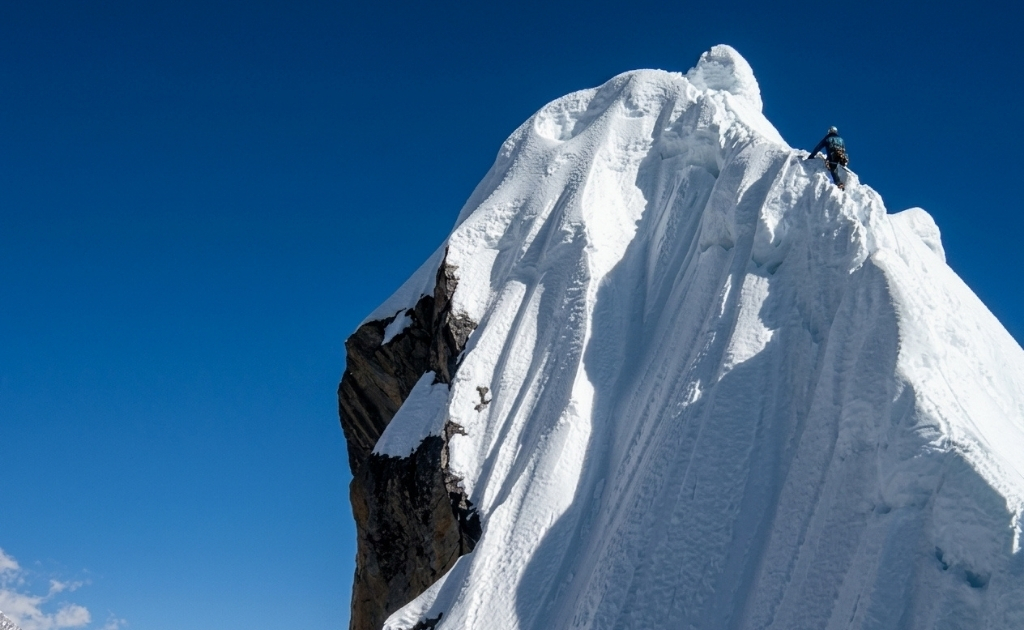
Lobuche East provides a steeper and more technical challenge for aspiring Himalayan climbers.
Lobuche East Peak (6,119m) is an excellent option for trekkers who want a more technical 6,000-meter climb in Nepal. Located close to Everest Base Camp and the Khumbu Glacier, it combines a classic Everest-region trek with an alpine climbing experience.
Compared with Mera Peak, Lobuche East has steeper sections and mixed rock, snow, and ice terrain. Climbers may use fixed ropes, crampons, harnesses, and ice axes during the ascent.
The approach follows the Everest Base Camp route, allowing climbers to acclimatize while exploring the Khumbu. The summit offers dramatic views of Everest, Lhotse, Nuptse, and Pumori.
If you are physically fit and want to develop more technical climbing skills, Lobuche East can be a rewarding first Himalayan peak.
Choosing the Right 6,000m Peak: Island Peak vs Mera Peak vs Lobuche East
Choosing the best 6000m peak in Nepal for beginners depends on your fitness, trekking experience, and climbing goals.
Mera Peak is best if you want the highest altitude with less technical climbing. Island Peak is ideal if you want to learn glacier and rope skills. Lobuche East is better for climbers looking for steeper and more technical terrain.
Peak
Elevation
Difficulty
Best For
Mera Peak
6,476m
Less technical
Altitude & endurance
Island Peak
6,189m
Semi-technical
First glacier climb
Lobuche East
6,119m
More technical
Steeper alpine climbing
For a first climb, Mera Peak is generally the least technical, while Island Peak and Lobuche East provide more technical climbing experience.
Preparing for a 6,000m Climb in Nepal – Training, Gear & Safety Tips
A 6,000-meter peak climb requires more preparation than a normal trek. Fitness, acclimatization, weather awareness, and the right equipment all play an important role.
Physical Training
Begin training 8–12 weeks before your climb. Focus on hiking, stair climbing, running, and strength exercises for your legs and core. Training with a backpack will also prepare you for long days on the trail.
Technical Skills
You should learn how to safely use crampons, ice axes, harnesses, carabiners, and fixed ropes. Guided expeditions normally provide practical climbing training before the summit attempt.
Essential Gear
A typical 6,000m peak climbing packing list includes:
Mountaineering boots
Down jacket and warm sleeping bag
Helmet, harness, crampons, and ice axe
Insulated gloves and layered clothing
Sunglasses or glacier glasses
Water bottles and hydration system
High-energy snacks and personal medicines
Travel insurance should also cover high-altitude trekking and emergency helicopter evacuation. Always check the altitude limit and policy exclusions before your trip.
Start Your Himalayan Climbing Journey with Confidence
A 6,000-meter peak in Nepal can be the perfect bridge between trekking and mountaineering. Mera Peak offers a less technical high-altitude challenge, Island Peak introduces glacier climbing, while Lobuche East provides a steeper alpine experience.
The key is not simply reaching the summit. Proper acclimatization, preparation, weather decisions, and experienced guides are essential for a safe and successful climb.
At Yatri Trekking, we provide guided peak climbing, experienced English- and French-speaking guides, customized itineraries, equipment support, and complete logistics.

.webp)