List of top 7000m peaks accessible from Nepal with climbing difficulty ratings
Ashish Gurung
Last Updated on Sep 3, 2026
For climbers looking to move beyond trekking peaks and into serious Himalayan mountaineering, 7000-meter peaks accessible from Nepal provide the ideal balance of challenge, safety, and learning. These mountains introduce climbers to extended high-altitude exposure, expedition-style logistics, and technical climbing skills without the extreme risks and costs of 8000m peaks.
Nepal is home to several outstanding 7000m Himalayan peaks, each offering different levels of technical difficulty, endurance demands, and climbing styles. In this guide, we break down the best 7000m peaks accessible from Nepal, explain their difficulty ratings, and help you decide which mountain fits your experience and long-term climbing goals.
Table of Contents
Why 7000m Peaks Are a Key Step in Himalayan Climbing Progression
Climbing a 7000m peak is often considered the true entry point into high-altitude expedition mountaineering. Unlike trekking peaks, these climbs require multiple acclimatization rotations, glacier navigation, fixed rope usage, and early-morning summit pushes in harsh conditions.
Many climbers who complete challenging trekking peaks in Nepal eventually look for a bigger objective that builds confidence for future 8000m expeditions. Peaks in the 7000m range help climbers understand how their body reacts above 6,500 meters while refining essential mountaineering skills. This experience is invaluable for those planning advanced expeditions in the Everest, Annapurna, or Manaslu regions.
Climbers often combine 7000m expeditions with extended acclimatization treks such as the Everest Base Camp Trek or Manaslu Circuit Trek to improve success rates.
Himlung Himal (7,126m) – One of the Best Beginner-Friendly 7000m Peaks
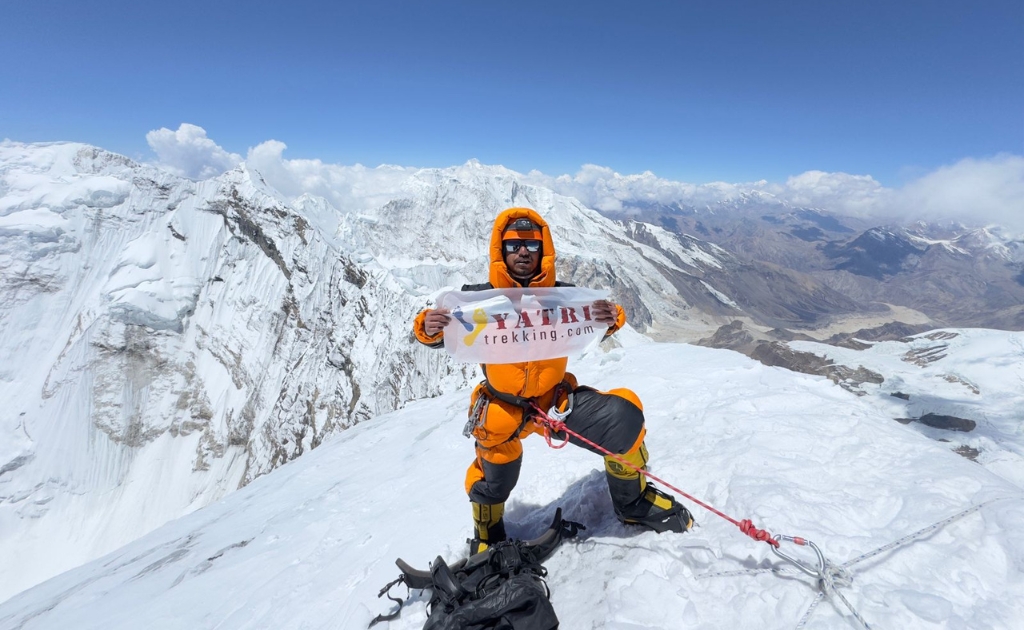
A proud summit moment on Himlung Himal (7,126m) with breathtaking views across the remote Himalayan range in Nepal.
Height: 7,126m Region: Nar Phu Valley / Manaslu Region Difficulty Rating: Beginner to Intermediate
Himlung Himal is widely regarded as one of the most accessible 7000m peaks in Nepal. The route is primarily snow-based with minimal technical climbing, making it suitable for climbers transitioning from trekking peaks to full-scale expeditions.
The approach follows the remote Nar Phu Valley, offering excellent acclimatization and rich cultural exposure. The steady ascent profile reduces altitude-related risks, while summit day provides a true high-altitude experience. Many climbers choose Himlung Himal as their first 7000m expedition after completing demanding treks or peaks.
Explore our guided Himlung Himal Expedition for a safe and well-structured introduction to 7000m mountaineering.
Baruntse (7,129m) – Ideal for Skill Development and Technical Growth
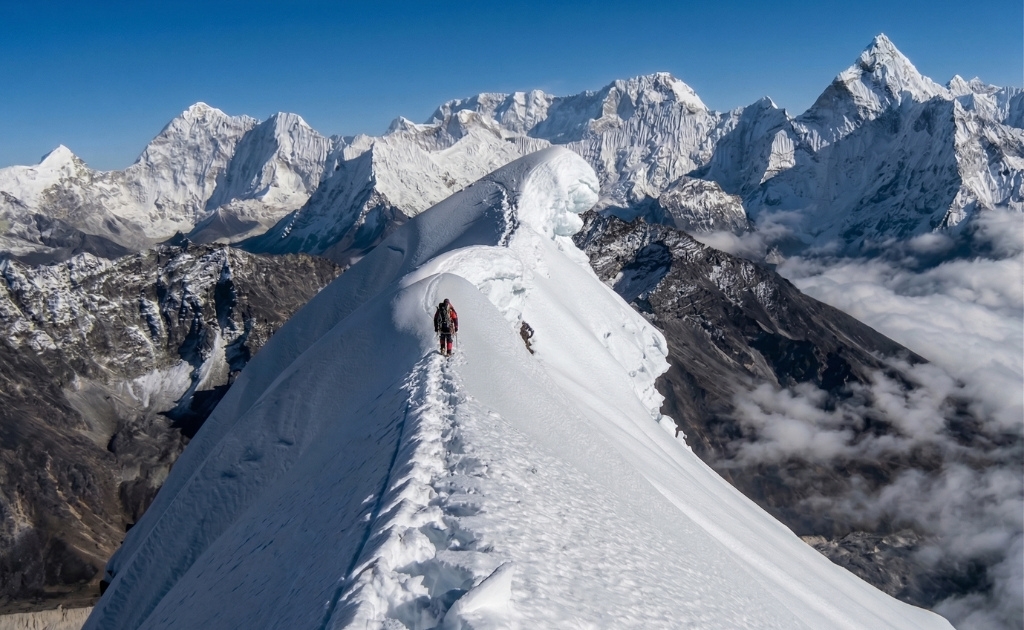
A challenging ridge climb on Baruntse (7,129m), showcasing the technical beauty of high-altitude mountaineering in Nepal.
Baruntse is a popular choice among climbers seeking a balanced mix of altitude, technical climbing, and remoteness. The climb includes glacier crossings, fixed ropes, and a steeper summit ridge that requires solid crampon and ice-axe technique.
The expedition route passes through the stunning Barun Valley, providing natural acclimatization and fewer crowds compared to the Everest region. Baruntse is often used as a training peak for Ama Dablam and Everest, making it ideal for climbers planning long-term Himalayan objectives.
Our Baruntse Climbing Expedition is designed for climbers who want to progress beyond basic snow climbs.
Pumori (7,161m) – A Technical Challenge Above Everest Base Camp
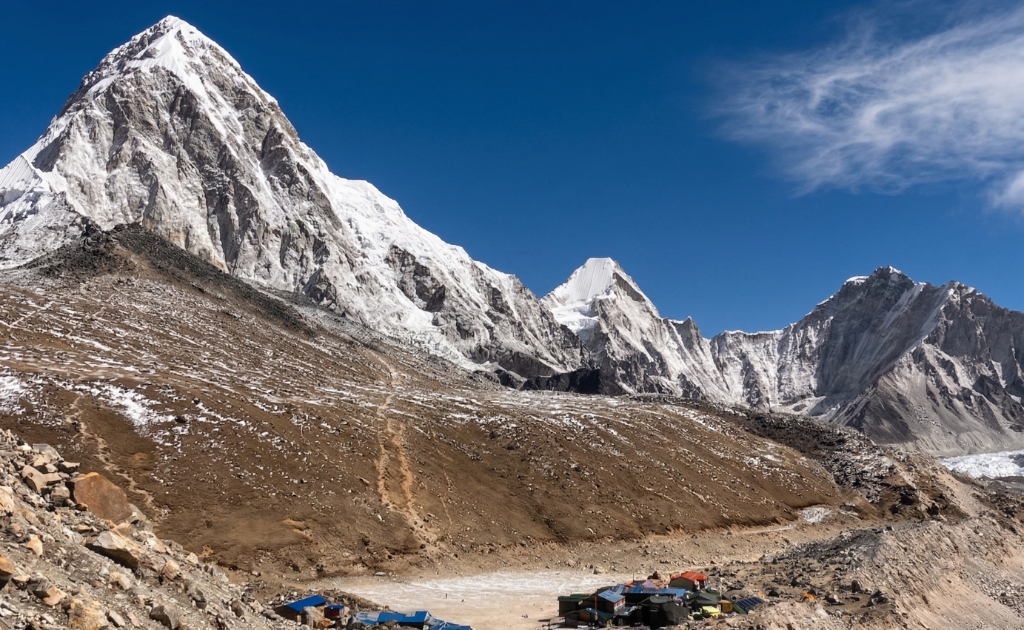
Pumori is a challenging 7000m peak near Everest Base Camp for experienced climbers.
Pumori is one of the most visually striking and technically demanding 7000m peaks in the Everest region. The route involves steep ice faces, exposed ridges, and complex rope systems. This peak demands strong prior experience in ice climbing and high-altitude expeditions.
Located close to Everest Base Camp, Pumori offers breathtaking views of Everest, Lhotse, and Nuptse. While it is not suitable for first-time expedition climbers, it is a rewarding challenge for experienced alpinists seeking a serious technical objective in the Khumbu.
Many climbers prepare for Pumori by first completing the Everest Base Camp Trek or Island Peak Climbing.
Gyachung Kang (7,952m) – The Highest Mountain Below 8000m
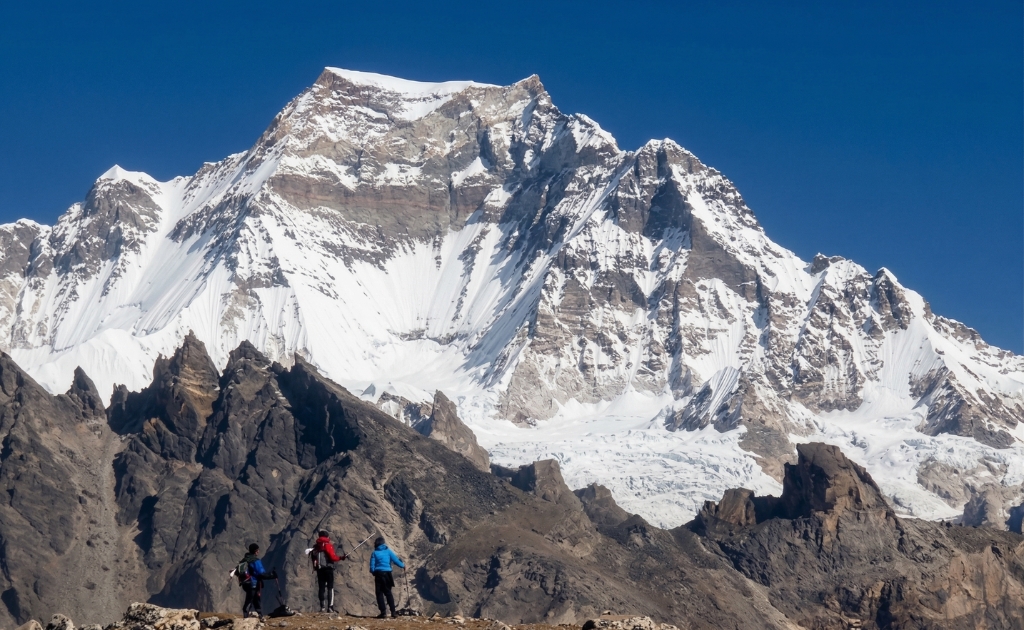
Gyachung Kang (7,952m), the highest mountain below 8000 meters, offers a true high-altitude expedition experience in the Himalayas.
Height: 7,952m Region: Everest / Tibet Border Difficulty Rating: Advanced
Gyachung Kang is the highest peak in the world below 8000 meters, making it a demanding endurance-focused expedition. While technical sections are moderate, the altitude alone makes this climb physically and mentally intense.
The peak is rarely attempted, offering a quieter and more exploratory mountaineering experience. This mountain is best suited for climbers with prior 7000m experience who want to refine their high-altitude performance before attempting major 8000m peaks.
Climbers often use Gyachung Kang as preparation for future Everest or Cho Oyu expeditions.
Cho Oyu (Acclimatization via Nepal Side) – Advanced High-Altitude Experience
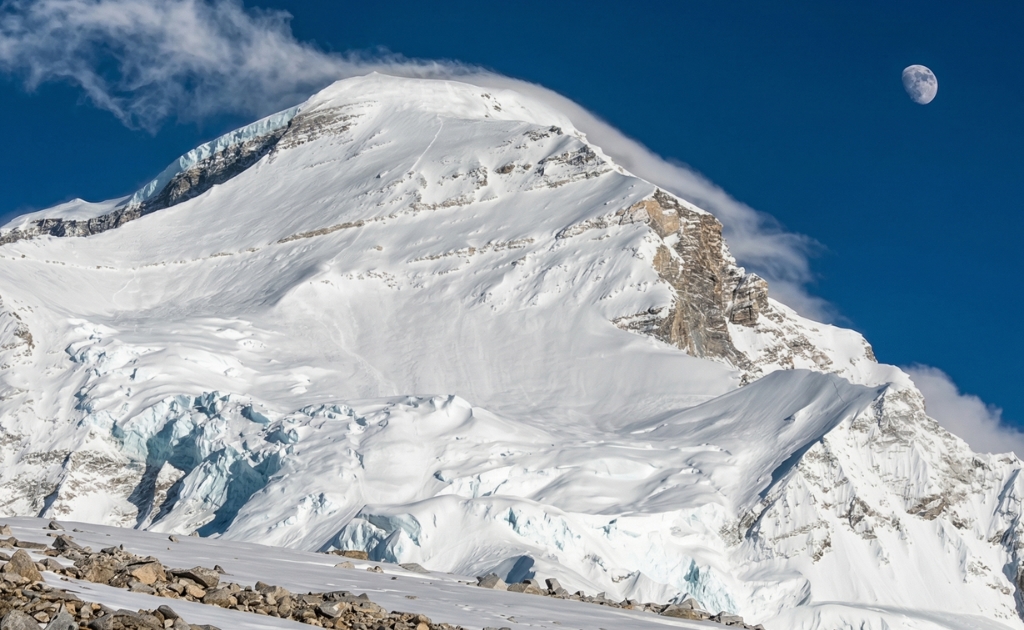
Cho Oyu (8,188m), one of the easiest 8000m peaks, is a popular choice for climbers stepping into extreme high-altitude expeditions.
Height: 8,188m (training phases below 7,500m) Region: Everest Region Difficulty Rating: Intermediate to Advanced
While Cho Oyu itself is an 8000m peak, climbers frequently train and acclimatize extensively on 7000m sections accessed from Nepal. The route is less technical than Everest but demands exceptional stamina and altitude tolerance.
This mountain is ideal for climbers looking to bridge the gap between 7000m peaks and full 8000m expeditions. The experience gained here translates directly to other major Himalayan objectives.
Cho Oyu expeditions pair well with long acclimatization routes like Gokyo Lakes Trek.
How to Choose the Right 7000m Peak in Nepal
Choosing the right peak depends on more than just height. Climbers should consider:
Previous altitude experience
Technical climbing skills
Time available for acclimatization
Long-term mountaineering goals
At Yatri Trekking, expedition planning focuses on gradual progression, proper acclimatization, and experienced Sherpa support. Each climbing itinerary is designed to maximize safety while ensuring climbers gain meaningful high-altitude experience.
Final Thoughts: Planning Your 7000m Expedition with Yatri Trekking
Climbing a 7000-meter peak in Nepal is a defining achievement for any mountaineer. It tests endurance, skill, and mental resilience while offering unmatched Himalayan scenery and personal growth.
If you’re ready to move beyond trekking peaks and take your mountaineering journey to the next level, Yatri Trekking offers professionally guided 7000m expeditions, led by experienced Sherpa teams who understand the mountains intimately.
Explore our full range of Himalayan climbing expeditions and start planning your next summit with confidence.

.webp)
.webp)