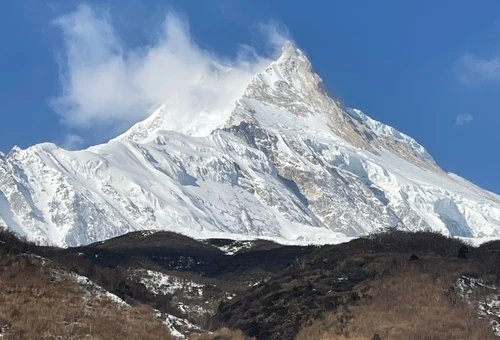
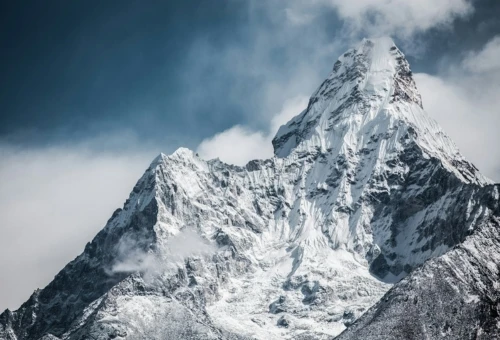
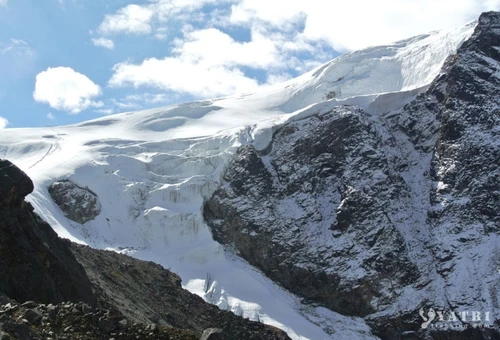
Nestled in the far reaches of western Nepal, Lower Dolpo is one of the country’s last untouched trekking regions where raw Himalayan beauty meets ancient Tibetan culture. Unlike the popular trails of Annapurna or Everest, Lower Dolpo remains less explored, offering a remote and peaceful escape for adventurers who want to experience the Himalayas off the beaten path.
This region lies within Dolpa District, part of the vast Shey Phoksundo National Park, and is known for its high-altitude desert landscapes, dramatic gorges, deep valleys, and centuries-old villages. The Lower Dolpo trek is not just a hike; it’s a journey into a world where time seems to have paused.
What makes this trek even more special is that it’s more accessible and less demanding than the Upper Dolpo trek, while still offering stunning scenery, sacred lakes, and unique cultural encounters. It’s ideal for trekkers who crave solitude, adventure, and meaningful cultural experiences without the crowds.
Whether you're drawn by the turquoise waters of Shey Phoksundo Lake, the traditional Bon monasteries, or the soul-stirring high passes, the Lower Dolpo trek promises something rare: authentic wilderness trekking in Nepal.
Table of Contents
Key Attractions in Lower Dolpo: Shey Phoksundo, Dunai & Tarap Valley
Lower Dolpo is a hidden gem in western Nepal, known for its untouched landscapes, deep-rooted Tibetan-Bon culture, and ancient trade routes. Unlike the more commercial trekking regions of Nepal, Lower Dolpo offers a truly off-the-beaten-path experience where nature and spirituality go hand in hand. While the entire journey is remarkable, three destinations Shey Phoksundo Lake, Dunai, and Tarap Valley stand out as the heart of the Lower Dolpo trek.
Shey Phoksundo Lake: The Pristine Heart of Dolpo
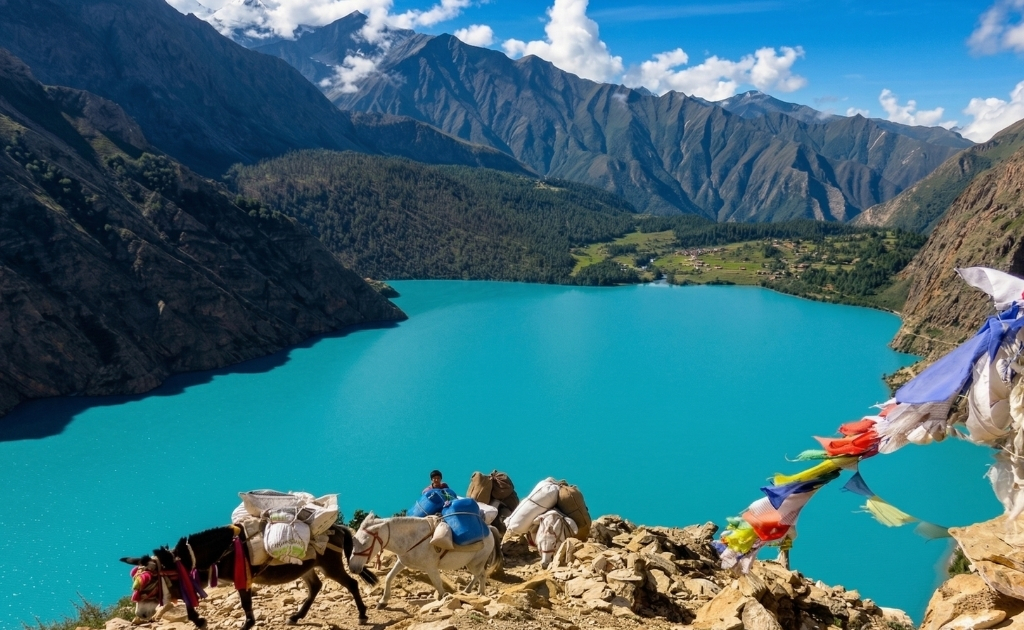
The breathtaking beauty of Shey Phoksundo Lake, a hidden gem in Lower Dolpo known for its crystal-clear waters and peaceful Himalayan surroundings.
Without a doubt, Shey Phoksundo Lake is the most iconic landmark in Lower Dolpo. Nestled at an altitude of 3,611 meters within Shey Phoksundo National Park, the lake is famous for its striking turquoise waters and dramatic surroundings. The cliffs that rise above the lake add to its mystique, making it one of the most photogenic places in Nepal.
Shey Phoksundo holds immense spiritual significance for both Tibetan Buddhists and followers of the ancient Bon religion, who believe the lake is sacred. Interestingly, there's no aquatic life in the lake, reinforcing its untouched and pure aura. A short hike leads to Ringmo Village, a traditional settlement built on a cliff above the lake, where time seems to stand still. Nearby, the ancient Tshowa Gompa, a 900-year-old Bon monastery, offers a rare glimpse into Dolpo’s spiritual traditions. If you're planning your Lower Dolpo trek, an overnight stay near the lake is a must it’s the kind of place that leaves a lasting imprint on your soul.
Dunai: The Gateway to Dolpo
Most Lower Dolpo treks either begin or end at Dunai, the administrative center and district headquarters of Dolpa. Located at around 2,140 meters on the banks of the Thuli Bheri River, Dunai is more than just a starting point it’s your first interaction with Dolpo’s remote charm and rugged terrain.
The village offers basic infrastructure, including health posts, schools, and small teahouses, making it an important logistical hub for trekkers. Strolling through Dunai's narrow alleys, you’ll notice a mix of Tibetan-influenced architecture and Nepali village life. For those flying in via Juphal Airport, Dunai is usually the first overnight stop and a good place to get acclimatized before heading deeper into the remote trails.
Many trekking itineraries in Nepal overlook places like Dunai, but it’s worth spending a bit of time here to observe the rhythm of local life and understand the hardships and resilience of people living in this isolated part of the Himalayas.
Tarap Valley: High-Altitude Living and Ancient Traditions
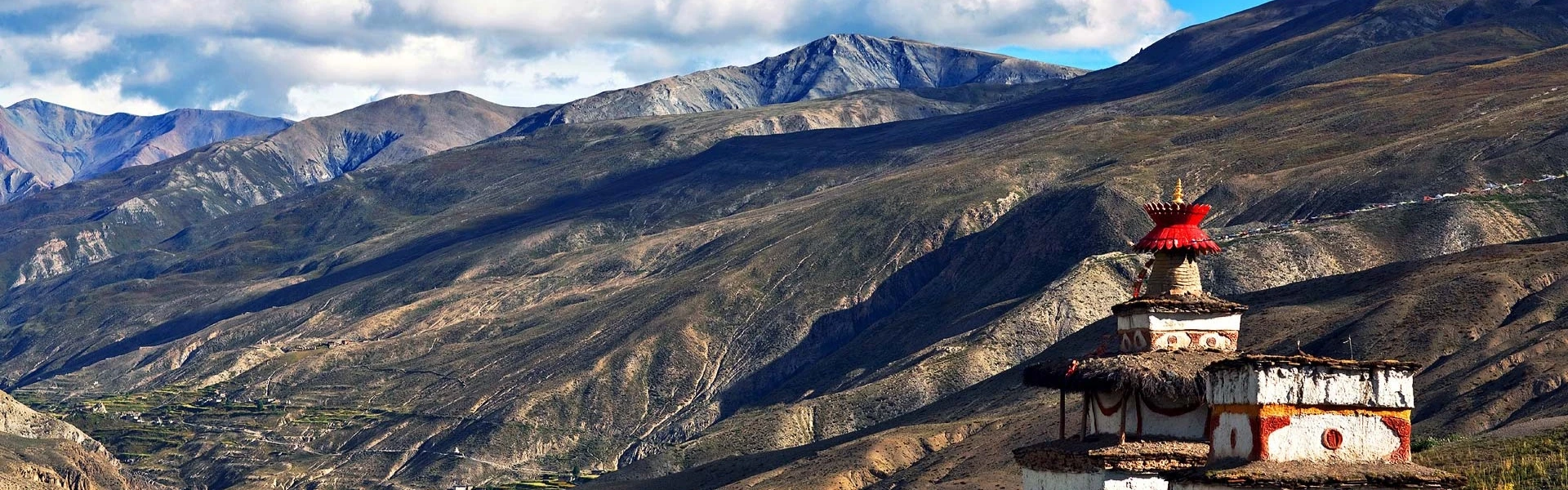
At over 4,000 meters, Tarap Valley is one of the highest permanently inhabited valleys in the world. This broad, open valley is surrounded by snow-dusted peaks and dotted with ancient chortens, traditional stone houses, and centuries-old monasteries. The valley’s main village, Dho Tarap, is home to a culturally rich community that practices both Tibetan Buddhism and the Bon religion.
Despite its remoteness, Tarap has retained its traditional way of life for generations. Locals wear traditional robes and speak dialects that trace back to Tibet. The presence of both Bon monasteries and Buddhist shrines shows the spiritual diversity that has peacefully coexisted here for centuries. If your trek coincides with Yartung Festival, typically held in August, you’ll witness thrilling horse races, archery competitions, and traditional songs and dances a cultural spectacle rarely seen by outsiders.
For trekkers seeking authentic cultural immersion, Tarap Valley delivers in abundance. The views of the Himalayas from here are jaw-dropping, and the hospitality of the locals is unmatched. Tarap Valley is often the emotional high point of the Lower Dolpo Circuit Trek, especially for those fascinated by ancient Himalayan lifestyles.
Trekking Route Highlights of the Lower Dolpo Trek
The Lower Dolpo Trek is one of Nepal’s last true wilderness adventures. Far removed from the teahouse trails of Everest or Annapurna, this rugged circuit takes you deep into the Himalayan interior through wind-eroded gorges, sacred alpine lakes, and timeless highland villages. The route, tucked within Shey Phoksundo National Park, balances high-altitude challenge with cultural depth, all in a region few travelers ever see. Below are the major trekking highlights that define this journey.
Juphal to Dunai: The Journey Begins
Your Lower Dolpo trek kicks off with a dramatic flight to Juphal, a tiny airstrip clinging to the slopes of Dolpa. The aerial views of the Dhaulagiri range and Himalayan foothills set the tone for the adventure ahead. From Juphal (2,475m), the trail gently descends through terraced fields and traditional farmsteads before arriving in Dunai, the district headquarters of Dolpa.
Dunai (2,140m) is more than a stopover it’s your first encounter with the Tibetan-influenced culture of Lower Dolpo. The village features chortens, prayer flags, and traditional stone houses that reflect the region’s unique identity. It’s also a good place to rest, acclimate, and stock up on any last-minute supplies before heading into the more remote parts of the circuit.
Chhekpa to Ringmo: Into the Forested Canyons
Leaving Dunai, the trail heads north along the Suligad River, weaving through dense pine forests, narrow gorges, and cascading waterfalls. You’ll pass through Chhekpa, a peaceful village that offers simple teahouse accommodations, surrounded by serene Himalayan wilderness. The route between Chhekpa and Ringmo is a sensory experience birdsong echoing in the valleys, cliffs towering above, and the river rushing below.
As you gain altitude, the landscapes begin to shift. Eventually, the trail opens up into a wide basin where you’ll reach Ringmo, a traditional village perched above the stunning Shey Phoksundo Lake. The sight of the turquoise water against the barren cliffs is one of the most iconic views on the trek. Ringmo also hosts the Tshowa Gompa, a 900-year-old Bon monastery, making this stop both visually and spiritually memorable.
Shey Phoksundo to Dho Tarap: Over the High Passes
This is the most physically demanding and rewarding segment of the Lower Dolpo trek. Leaving the serene lake behind, you’ll ascend over either Numala Pass (5,190m) or Bagala Pass (5,170m) two of the highest and most scenic passes in the region. The effort is worth it: from the top, you’re treated to sweeping views of the Kanjiroba range and the vast emptiness of Dolpo’s highlands.
The descent takes you into Dho Tarap, one of the highest inhabited settlements in the Himalayas at over 4,000 meters. This village is culturally rich and visually striking. Stone houses, yak herds, and monastic life dominate the scene. Locals still wear traditional dress and practice both Bon and Tibetan Buddhism, maintaining centuries-old customs. Spending a night here offers deep cultural immersion in one of Nepal’s most isolated communities.
Dho Tarap to Tarakot and Return: Through the Deep Gorge
The return leg of the trek follows the Tarap Khola Gorge, one of the deepest and most rugged canyons in Nepal. The trail snakes along cliffsides, crosses suspension bridges, and dives into wild, narrow ravines carved by the river over millennia. It’s a dramatic and exhilarating section, showcasing Lower Dolpo’s raw beauty.
Eventually, the trail leads you to Tarakot, a small fortified village with historic significance. Once a key point on the ancient salt trade route to Tibet, Tarakot still holds its medieval charm. From here, the trail reconnects to Dunai, and finally, you ascend back to Juphal to complete the loop.
Cultural Experiences in Lower Dolpo Villages
One of the most meaningful reasons to embark on the Lower Dolpo Trek is the opportunity to connect deeply with cultures that remain untouched by time. In contrast to Nepal’s more frequented trails, where modernization is rapidly changing local life, Lower Dolpo’s remote villages continue to preserve their rich spiritual traditions, ancestral customs, and centuries-old architecture. From highland hamlets like Dho Tarap to lakeside settlements like Ringmo, every village offers an authentic cultural experience rooted in both Tibetan Buddhism and the ancient Bon religion.
Dho Tarap: A Living Cultural Museum at 4,000 Meters
The isolated village of Dho Tarap, nestled at over 4,000 meters, is not just a scenic stop it’s a living, breathing cultural museum of Dolpo. Home to one of the highest year-round settlements in the world, Dho Tarap stands as a stronghold of traditional Himalayan lifestyle.
Here, locals wear handmade woolen robes called “chubas”, spin yak wool, and prepare butter tea while reciting Buddhist mantras under fluttering prayer flags. The village is dotted with ancient monasteries and Bon gompas, where monks still follow rituals passed down through generations. These sacred spaces are adorned with vivid murals, old thangka paintings, and handwritten Tibetan scriptures, offering trekkers a rare glimpse into a deeply spiritual world.
Participating in daily life whether watching butter being churned, sitting beside a hearth during a prayer ceremony, or witnessing locals spin prayer wheels while walking clockwise around a chorten is a powerful way to understand the community’s values. Dho Tarap truly captures the soul of Lower Dolpo culture.
Ringmo and Bon Traditions: Echoes of a Pre-Buddhist Faith
Overlooking the spectacular Shey Phoksundo Lake, the peaceful Ringmo Village is a center for the Bon religion, a spiritual path that predates Buddhism by centuries. This is one of the few places in Nepal where Bon practices remain active and respected.
The centerpiece of Ringmo is Tshowa Gompa, a 900-year-old Bon monastery perched dramatically on a ridge above the turquoise lake. Here, travelers often have the rare chance to join morning chanting rituals, light butter lamps, or speak with resident monks about the unique Bon cosmology, which includes symbols like the left-turning swastika representing eternal life.
Ringmo’s spiritual ambiance blends perfectly with its surroundings cliffside trails, glacial waterfalls, and alpine silence. While trekking through this region, you'll feel how spiritual beliefs shape everything from village layout to seasonal agricultural cycles. It’s not just about observing religion it’s about living alongside it.
Tarakot and the Legacy of the Malla Era
As the trail winds back toward lower elevations, it arrives at Tarakot, a village with a distinctly historical character. Once an important outpost during the Malla kingdom era, Tarakot served as a fort town guarding ancient trade routes that connected Nepal and Tibet. Its strategic hilltop position, stone-built homes, and hillside monasteries echo a time when this village played a key role in regional governance and defense.
What makes Tarakot memorable today, however, is the hospitality of its people. You may be invited into a local home for a warm bowl of dal bhat, a cup of salty butter tea, or a simple conversation around a hearth. Here, visitors are not treated as tourists but as guests and the sincerity is palpable.
Walking through Tarakot’s narrow lanes, past hand-carved mani stones and terraced barley fields, you’ll get a sense of a community still guided by ancestral rhythms. The influence of both Bon and Buddhist traditions continues here, making it an essential stop on the Lower Dolpo Circuit Trek.
Lower Dolpo Trek Difficulty & Duration
The Lower Dolpo Trek is one of Nepal’s most fascinating and remote high-altitude adventures. Set against the backdrop of Shey Phoksundo National Park, this trek takes you through ancient Himalayan villages, sacred lakes, and rugged mountain terrain. While the region is less visited than the Everest or Annapurna circuits, it still poses unique challenges that every trekker should understand before setting out. Let’s break down the trekking difficulty, duration, and what you can expect along the way.
How Difficult is the Lower Dolpo Trek?
The Lower Dolpo trek difficulty is classified as moderate to challenging. It doesn’t involve technical mountaineering or the use of climbing equipment, but it does demand excellent endurance and good physical condition. The trek features multiple long walking days some over 7 hours combined with steep ascents, high mountain passes, and remote wilderness areas with limited infrastructure.
Unlike more commercial trekking routes in Nepal, the trails in Lower Dolpo are often unmarked, rocky, and occasionally require river crossings. Add in the high altitude and limited access to rescue services, and it becomes clear why this trek is best suited for experienced trekkers or those who’ve previously hiked at altitude.
If you’ve already completed a trek like the Annapurna Circuit or Langtang Valley, you’ll likely be prepared for the challenges of Dolpo. For beginners, however, this trek may feel overwhelming without proper training or prior acclimatization experience.
Duration of the Lower Dolpo Trek
The Lower Dolpo trek duration generally ranges from 16 to 21 days, depending on the route variation, walking pace, and acclimatization needs. The classic route starts from Juphal, leads through Dunai, Shey Phoksundo Lake, Dho Tarap, and Tarakot, and loops back to Juphal via Dunai.
Some Lower Dolpo itineraries include extra acclimatization or exploration days especially near Shey Phoksundo Lake and Tarap Valley, where the culture and scenery are too captivating to rush. Trekkers with more time often opt for slow-paced travel, adding rest days to better adapt to altitude and enjoy the serene, remote environment.
Keep in mind, this region sees few flights, and bad weather in Juphal or Nepalgunj can cause delays so it’s wise to buffer your return date with a couple of contingency days.
Elevation and Trail Conditions
One of the most defining aspects of the Lower Dolpo trek is its elevation profile. You’ll consistently hike above 3,500 meters, with the highest points being Numala La Pass (5,190m) and Bagala La Pass (5,170m). These passes can be physically exhausting, particularly when crossed in rapid succession.
The terrain is diverse and challenging ranging from lush pine forests and steep river canyons to dry, barren highlands and glacial scree. Trails are often narrow and exposed, with loose rocks underfoot and frequent elevation changes throughout the day. Footwear with strong ankle support, trekking poles, and good balance are essential.
Due to the remote nature of Shey Phoksundo National Park, teahouses are limited and basic. Many trekkers rely on camping-based treks, supported by guides and porters, especially when passing through isolated areas like Chhekpa or Yak Kharka.
Acclimatization and Altitude Sickness
Given the extended periods spent at high elevation, proper acclimatization is crucial on the Lower Dolpo Trek. While acute mountain sickness (AMS) can affect anyone above 2,500 meters, it becomes more common above 3,500 meters especially during rapid ascents over passes.
It’s strongly recommended to follow a gradual ascent profile, take rest days for acclimatization, and stay well-hydrated throughout the trek. Symptoms like headache, dizziness, nausea, and fatigue should never be ignored. Carrying medication like Diamox, and being informed about altitude-related emergencies, is a smart precaution in such isolated areas.
Is the Lower Dolpo Trek for You?
Is Lower Dolpo suitable for beginners? Not quite. While Lower Dolpo is easier than Upper Dolpo, it’s still a remote, high-altitude trek that demands good preparation. The lack of connectivity, rough trails, and unpredictable weather make it best suited for seasoned trekkers or those who’ve trained specifically for multi-day Himalayan treks.
If you’re looking for a less crowded alternative to the classic trails of Nepal and are physically fit, mentally prepared, and curious about authentic Tibetan-Bon culture, this trek is incredibly rewarding. The solitude, scenery, and spiritual richness of the region make every challenge worth it.
Permit Information for Lower Dolpo Trek
Before you set off into the wild and mystical landscapes of Lower Dolpo, it’s crucial to understand the permit requirements for this remote region. As a restricted trekking area, Lower Dolpo is regulated by the Government of Nepal to protect its fragile environment and rich cultural heritage. Unlike other treks in Nepal, where you can walk in with a simple TIMS card, Lower Dolpo requires special permits and adherence to specific regulations. Here's everything you need to know.
Required Permits for Lower Dolpo Trek
To legally trek in Lower Dolpo, you must obtain the following permits:
1. Restricted Area Permit (RAP) for Lower Dolpo
Cost: USD 20 per person per week (first 7 days), then USD 5 per person per day thereafter
Issued by: Department of Immigration through a registered trekking agency
Requirement: You must trek with a licensed guide, and permits are only issued via government-authorized agencies
The Restricted Area Permit (RAP) is mandatory for entering the Lower Dolpo region, which includes areas like Dho Tarap, Ringmo, and Shey Phoksundo Lake. Independent trekking is not allowed here. Agencies like Yatri Trekking handle all paperwork, ensuring you’re fully compliant before your trek begins.
2. Shey Phoksundo National Park Entry Permit
Cost: NPR 3,000 per person (approximately USD 25)
Where it applies: All treks passing through Shey Phoksundo National Park
This permit supports conservation within the park, which is home to endangered wildlife like the snow leopard, blue sheep, and Himalayan musk deer. It also helps preserve fragile ecosystems and fund local development programs.
3. Trekkers’ Information Management System (TIMS) Card(Optional in Restricted Areas)
In most trekking regions of Nepal, such as Annapurna or Langtang, a TIMS card is required. However, for restricted zones like Lower Dolpo, the RAP replaces the need for TIMS, so it is not necessary.
How to Obtain the Permits
You cannot get these permits on your own. The Lower Dolpo permits must be processed through a registered Nepali trekking agency, and solo trekkers are not permitted. You must be accompanied by a licensed guide, as mandated by Nepali law for restricted areas.
At Yatri Trekking, we simplify the process by handling all required permits, logistics, and documentation on your behalf. This ensures you don’t face delays or complications with government offices during your arrival in Kathmandu or Nepalgunj.
Our experienced team will:
Process your RAP and National Park permits
Arrange a licensed, local guide with in-depth knowledge of Dolpo
Assist with domestic flights, porter support, and trip planning
Ensure all trekking regulations are followed correctly
Why These Permits Matter
The permit system isn’t just a formality it plays a vital role in protecting the cultural and environmental integrity of Lower Dolpo. The revenue collected supports:
Conservation efforts within Shey Phoksundo National Park
Infrastructure development in remote Dolpo villages
Preservation of Bon and Tibetan Buddhist traditions
Sustainable tourism practices that benefit local communities
When you secure the right permits through a reputable agency, you're not just gaining access you’re also contributing to the long-term wellbeing of one of Nepal’s most culturally rich and ecologically fragile regions.
Ideal Months for the Lower Dolpo Trek
Choosing the best time for the Lower Dolpo trek is crucial for both weather conditions and cultural immersion. Unlike many other Himalayan trekking regions, Lower Dolpo lies in the trans-Himalayan rain shadow, behind the Dhaulagiri and Kanjiroba ranges. This means it receives minimal rainfall, making it one of the few treks in Nepal that remains accessible even during the monsoon season. Understanding the seasonal variations will help you plan a smoother and more enjoyable trekking experience.
Spring (April to Early June): A Burst of Life and Color
Spring is undoubtedly one of the best times to do the Lower Dolpo Trek. As the snow melts and temperatures rise, the region comes alive with alpine wildflowers, green meadows, and flowing streams. This season offers excellent visibility of snow-draped peaks like Kanjiroba and Norbu Kang. The days are long and relatively warm, which is perfect for exploring highlights like Shey Phoksundo Lake and Dho Tarap village.
Culturally, spring is also when Dolpo’s agrarian communities begin preparing their fields. You’ll witness locals planting potatoes and barley, giving you firsthand insight into traditional Himalayan farming life. If you’re looking for a Lower Dolpo trekking season with the ideal mix of nature, views, and cultural exposure, spring is a fantastic option.
Monsoon (Mid-June to August): Surprisingly Trek-Friendly
Although monsoon season generally means heavy rainfall and trail washouts in places like the Annapurna or Everest regions, Lower Dolpo remains relatively dry. Thanks to its geographic location in the rain shadow, monsoon treks are not only possible but can be quite pleasant. The landscapes are lush, the rivers are full, and trails are often less crowded.
The only downside is flight delays to Juphal, the gateway to Dolpo, as the weather in the lower regions like Nepalgunj can be unpredictable. Trekkers should factor in some flexibility in their schedule. If you’re looking for off-season trekking in Nepal, Lower Dolpo is a rare gem.
Autumn (September to Early November): Crystal Clear Skies and Festive Vibes
Autumn is widely regarded as the best season to trek in Lower Dolpo, especially from mid-September to late October. The post-monsoon air is clean and crisp, offering clear mountain views and starry night skies. Temperatures are moderate neither too hot nor too cold making this a comfortable time for high-pass crossings like Numala La (5,310m) and Bagala La (5,170m).
This is also the season of Nepali and Tibetan Buddhist festivals, and you might encounter traditional celebrations in villages like Ringmo or Tarakot. Expect local processions, masked dances, and ceremonies that bring deep cultural richness to your journey.
If you want to pair Dolpo’s raw natural beauty with authentic cultural experiences, autumn offers the perfect window.
Winter (Late November to March): Harsh Yet Serene
While trekking in Lower Dolpo during winter is possible, it comes with serious challenges. Temperatures can plunge well below freezing, especially at higher elevations. Key mountain passes may be snow-covered and impassable, particularly after December. Many locals from high-altitude villages like Dho Tarap descend to lower settlements to escape the harsh cold, meaning teahouse services can be limited.
However, early winter late November to early December still sees some trekkers who are well-prepared for snow and solitude. If you’re experienced in cold-weather trekking and seek true isolation, this could be an option. But for most, winter is best avoided due to logistical challenges and safety concerns.
Our Recommendation: Late Spring or Early Autumn
If you’re asking, "When is the ideal time for Lower Dolpo trek?", the answer is late spring (May to early June) or early autumn (mid-September to October). These months offer the best overall experience mild temperatures, stunning landscapes, high cultural activity, and good trail conditions.
Planning your journey during these windows also increases the chance of smooth flights to Juphal and better availability of accommodation and guides, especially if you book with an experienced operator like Yatri Trekking, which specializes in custom Lower Dolpo trekking itineraries.
Final Thoughts: A Journey to Remember
The Lower Dolpo Trek offers something few other routes can a genuine adventure far from the crowds, with deep cultural immersion and jaw-dropping natural beauty. It’s an experience that rewards both the heart and the soul.
Ready to discover the hidden gem of western Nepal? Plan your Lower Dolpo Trek with Yatri Trekking for a safe, personalized, and unforgettable journey.

.webp)