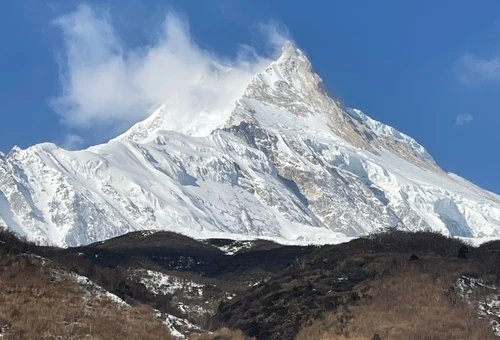
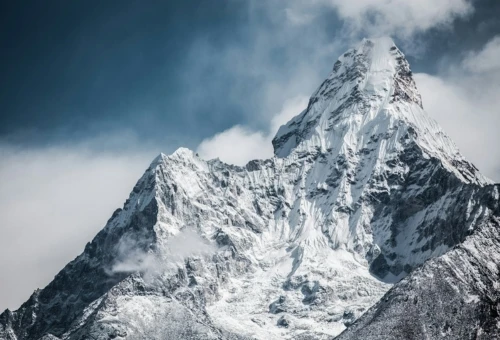
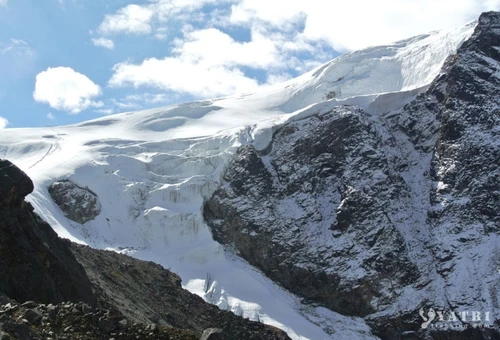
The Kanchenjunga and Makalu treks offer some of the most breathtaking vistas for photographers seeking to capture the raw beauty of the Himalayas. On the Kanchenjunga trek, prime photo spots include the panoramic viewpoints at Ghunsa, Kambachen, and the iconic Kanchenjunga Base Camp, where you can frame the majestic peak with its surrounding glaciers and rugged terrain. The sunrise and sunset over Kanchenjunga from Tseram and Yamphudin provide stunning golden-hour lighting that adds depth and drama to mountain shots.
Meanwhile, the Makalu trek boasts equally impressive photo opportunities. The serene landscapes of Makalu Base Camp itself allow for close-up shots of the peak, often framed by prayer flags fluttering in the wind. The village of Yangri and viewpoints like Shipton La Pass offer sweeping vistas where photographers can capture layered mountain ranges with unique Himalayan flora in the foreground.
Both treks also provide chances to discover off-the-beaten-path spots quiet meadows, hidden waterfalls, and tranquil forests perfect for creating varied and intimate photo stories. Don’t miss these locations if you want a diverse portfolio showcasing Nepal’s untouched natural beauty.
Explore our detailed Kanchenjunga Trek Guide and Makalu Trek Overview for more insider tips on trekking these routes
Table of Contents
Lighting and Weather Tips for Photography on the Kanchenjunga and Makalu Treks
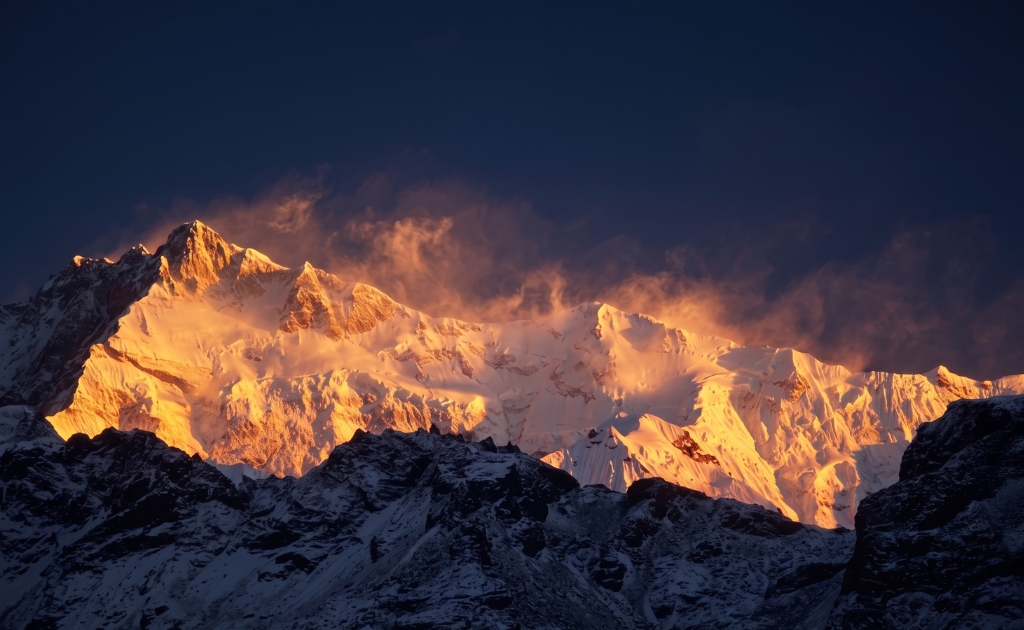
Watch the breathtaking sunset over Mount Kanchenjunga as golden light and vibrant Himalayan skies create unforgettable mountain views in eastern Nepal.
Photography in the Himalayas is all about patience, timing, and reading the light. On the Kanchenjunga trek and Makalu Base Camp trek, the most magical moments happen during the golden hours just after sunrise and before sunset when the sun is low, the light is soft, and shadows add depth to your images. At sunrise, peaks like Mount Kanchenjunga and Makalu glow in golden tones, sometimes with a pastel sky fading into deep blue. Sunset often transforms the mountains into dramatic silhouettes against vibrant shades of orange, pink, and red. You’ll find similarly stunning effects on the Everest Base Camp trek in the Khumbu region.
Weather in the Himalayas can change within minutes, even during the clearer spring (March–May) and autumn (September–November) trekking seasons. A cloudless morning can turn into a fog-filled valley by afternoon, creating an entirely different mood for your photos. Far from being a problem, shifting conditions can make for some of your most atmospheric shots. Checking the Nepal Department of Hydrology and Meteorology (https://www.dhm.gov.np) before your trek can help you plan for optimal light and visibility.
Midday light is often harsh at high altitude, washing out details and reducing contrast. Instead of shooting big landscapes then, use this time to explore side trails, scout new viewpoints, or focus on details like prayer flags, village life, or alpine flora. To protect your shots from glare, carry a lens hood and a polarizing filter both are especially useful under the intense Himalayan sun. Always keep waterproof camera covers or dry bags handy, as sudden rain or snow is common even in good weather.
When trekking with Yatri Trekking, your guide can lead you to hidden sunrise viewpoints or secluded ridges along the Kanchenjunga Circuit or Makalu route, ensuring you’re in the right place at the right time. By combining an understanding of light with awareness of local weather patterns, you’ll be able to capture the remote eastern Himalayas at their most striking.
Village Portraits and Landscapes on the Kanchenjunga and Makalu Treks
Experience authentic Himalayan culture through village portraits and local life on the Kanchenjunga and Makalu trails.
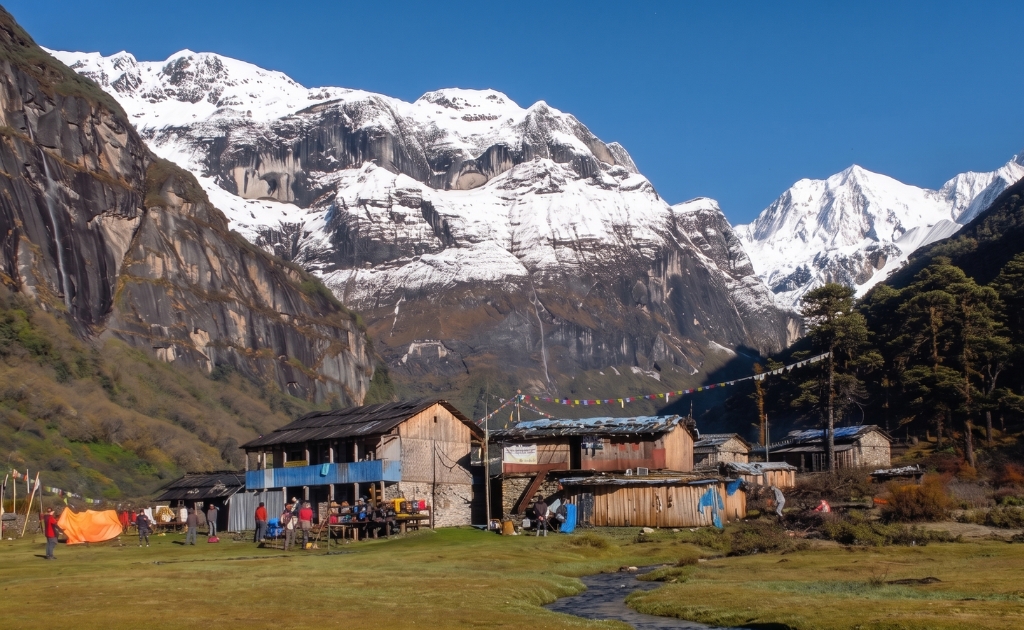
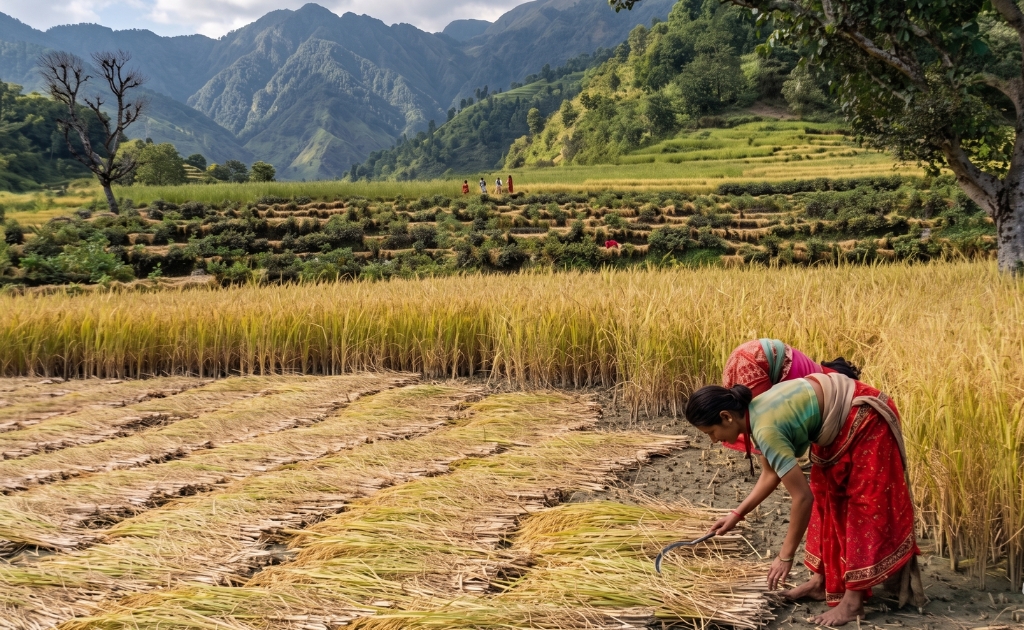
While the towering peaks of the Himalayas often steal the spotlight, the Kanchenjunga trek and Makalu Base Camp trek also open the door to a world of cultural richness and intimate human stories. Trekking through traditional villages such as Yamphudin on the Kanchenjunga route and Yangri along the Makalu trail gives photographers a rare chance to document the daily lives of mountain communities that have changed little over generations. These villages are living museums of Himalayan culture, where locals wear vibrant traditional attire, work in terraced fields, and gather for seasonal farming activities. Children laughing and playing against a backdrop of snow-capped peaks and fluttering prayer flags provide heartwarming, authentic moments for storytelling through your camera.
Discover the cultural beauty of the Makalu region through authentic village portraits, traditional lifestyles, and unforgettable Himalayan hospitality during the Makalu Base Camp trek.
The landscapes surrounding these settlements offer a perfect balance between human presence and raw natural beauty. Rolling hills dotted with stone houses, colorful prayer flags strung between wooden poles, and fields carved into intricate terraces all sit in harmony with the rugged Himalayan wilderness. Early morning is the ideal time for both village portrait photography and wide-angle landscapes, as the soft golden light highlights facial features, textures in clothing, and the layered backdrop of mountains and valleys.
Respect is key when photographing people in these regions. Always seek permission before taking close-up portraits, especially of elders, and be mindful of cultural sensitivities. Many travelers find that engaging in simple conversations often with the help of their trekking guide creates a more relaxed atmosphere, leading to natural and genuine expressions. You can learn more about cultural etiquette in Nepal through the Nepal Tourism Board before your journey.
When you trek with Yatri Trekking, your guide can lead you to hidden spots within villages along the Kanchenjunga Circuit or Makalu Base Camp route where you can photograph locals at work, capture vibrant festival moments, or frame rustic homes against Himalayan panoramas. These encounters blending serene mountain landscapes with authentic cultural portraits make the eastern Himalayas a photographer’s paradise and ensure your travel images carry both beauty and meaning.
How to Trek with Photography Gear on the Kanchenjunga and Makalu Routes
Trekking the Kanchenjunga and Makalu Base Camp routes while carrying photography gear requires a smart balance between protection, accessibility, and weight. These trails involve long days, steep ascents, and high-altitude challenges, so packing light yet effectively is key. A sturdy, weather-resistant camera backpack with padded compartments will protect your gear from bumps on rocky paths and shield it from the unpredictable Himalayan weather. Look for designs with quick-access side openings so you can reach your camera without fully removing the bag a huge advantage when capturing sudden wildlife sightings or fleeting light on a mountain ridge.
For lenses, versatility is essential. A wide-angle lens works perfectly for sweeping Himalayan landscapes, while a mid-range zoom captures intimate portraits in villages like Yamphudin or Yangri without feeling intrusive. This combination helps you travel lighter while still covering a wide range of shots. Extra batteries and memory cards are must-haves, as charging facilities can be limited in remote tea houses. A lightweight tripod is worth the effort for sunrise panoramas or nighttime photography under star-filled skies.
Protecting your equipment from the elements is just as important as using it. The Kanchenjunga and Makalu regions can bring sudden dust, rain, or snow, so pack lens hoods, rain covers, and microfiber cloths for cleaning. Keeping your camera both secure and accessible or example, using a chest harness or side holster ensures you can capture moments without slowing the group or missing the shot.
When trekking with Yatri Trekking, your guide can recommend the best spots for sunrise landscapes or village portraits, helping you plan when to keep your camera ready and when to store it for more challenging terrain. You can also check the Nepal Tourism Board for travel and packing guidelines before your trip. Balancing your passion for photography with trekking stamina will make your journey through the eastern Himalayas both rewarding and photographically unforgettable.
Responsible Photography with Locals and Nature on the Kanchenjunga and Makalu Treks
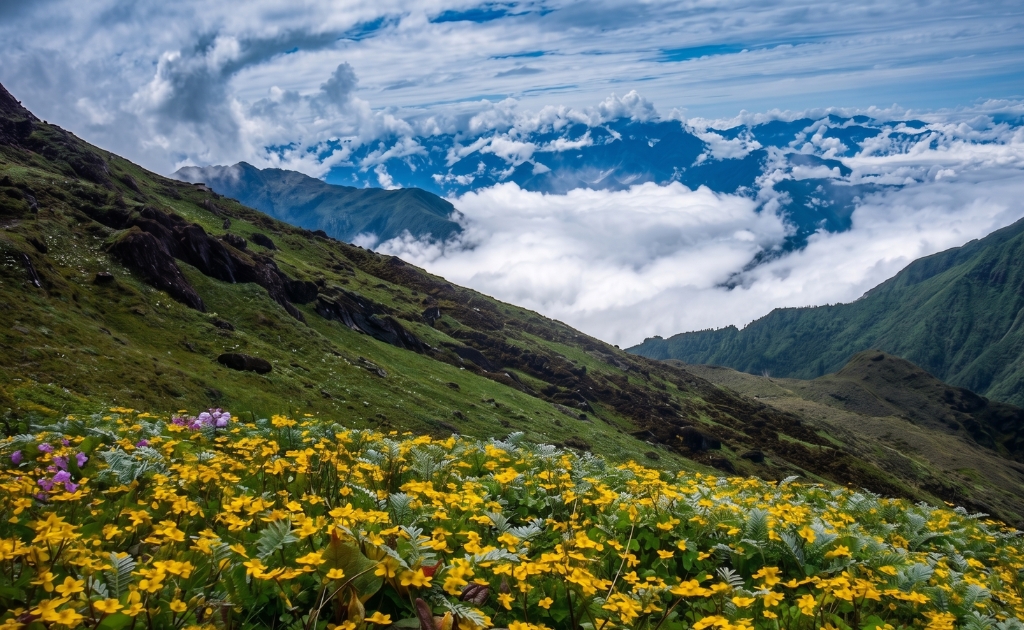
Experience the untouched natural beauty of the Makalu region, where colorful alpine flowers, rolling green hills, and cloud-covered Himalayan landscapes create a peaceful trekking atmosphere.
Photographing in the remote villages and untouched wilderness of the Kanchenjunga trek and Makalu Base Camp trek is a privilege that comes with responsibility. These regions are home to communities whose traditions have been preserved for generations, as well as delicate ecosystems that demand care from every visitor. When capturing portraits of locals in villages such as Yamphudin or Yangri, always ask for permission before raising your camera. A friendly greeting, a brief conversation, or involving your guide as a translator often helps build trust, resulting in more authentic and heartfelt expressions.
Respect for local customs is essential. Avoid taking intrusive photos during religious rituals, private family gatherings, or inside sacred spaces unless invited. Sites like monasteries and chortens are deeply significant, so photograph them with mindfulness, keeping a respectful distance. You can read more about cultural etiquette in Nepal through the Nepal Tourism Board before your trip.
The natural landscapes of the Kanchenjunga and Makalu regions are equally deserving of care. Follow the leave no trace principles by avoiding damage to plants, rock formations, or habitats in pursuit of a shot. When photographing wildlife, use a zoom lens to keep a safe distance, preventing stress or disturbance to the animals. Never bait or provoke wildlife for a picture, and avoid stepping off established trails to protect fragile alpine vegetation.
Trekking with Yatri Trekking ensures you’re guided by professionals who understand both the cultural and environmental sensitivities of these regions. Practicing responsible photography not only preserves the dignity of the people and the purity of the environment but also helps ensure that future trekkers and photographers will experience the same unspoiled beauty that makes the eastern Himalayas so extraordinary.

.webp)