List of the Top 8000m Peaks in Nepal with Climbing Difficulty Ratings
Ashish Gurung
Last Updated on Aug 28, 2026
Nepal is the heart of high-altitude mountaineering. Out of the world’s 14 peaks that rise above 8,000 meters, eight are located fully or partially in Nepal, making the country the ultimate destination for elite climbers and ambitious expedition teams. These giants are not just about height; each peak presents a unique mix of technical difficulty, altitude stress, weather exposure, and logistical complexity.
Climbing an 8000m peak is a serious step beyond trekking peaks or 6,000–7,000m expeditions. Oxygen deprivation, extreme cold, long summit pushes, and objective hazards become part of daily life. Some mountains are considered relatively “accessible” for experienced climbers, while others demand advanced technical skills and prior high-altitude experience.
Below is a detailed, experience-based look at Nepal’s 8000m peaks, including climbing difficulty ratings to help climbers understand what to expect before choosing their ultimate Himalayan goal.
Table of Contents
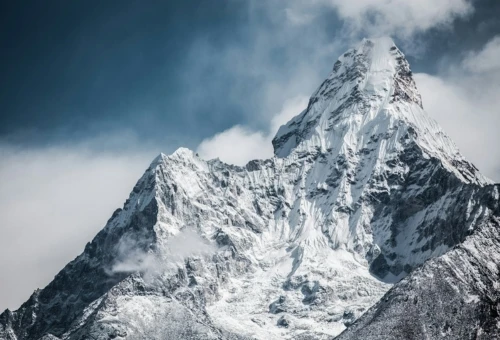
Mount Everest (8,848.86m) – The World’s Highest, Not the Easiest
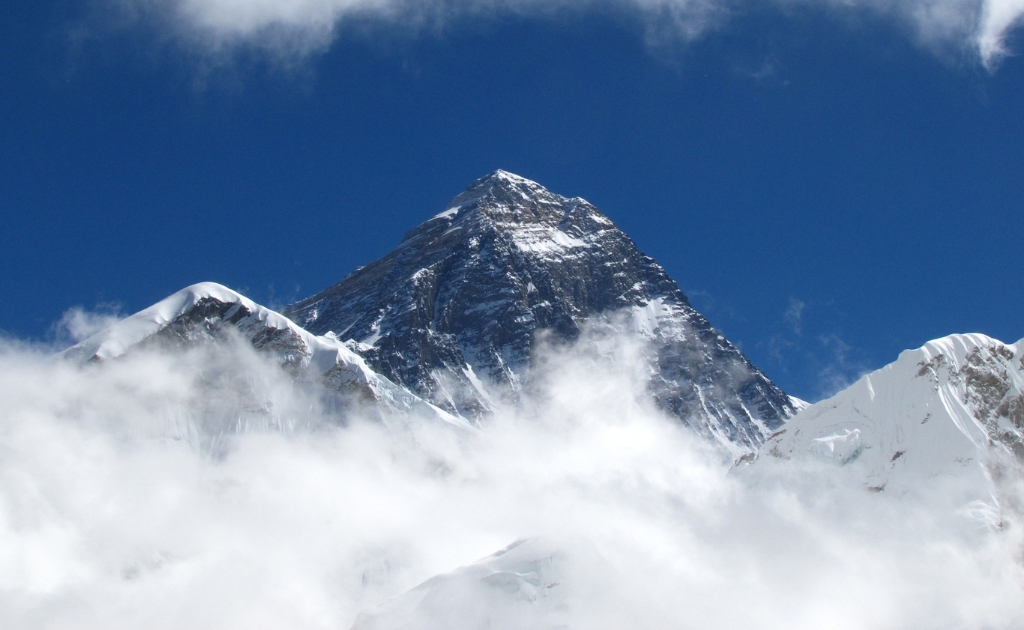
The majestic summit of Mount Everest (8,848.86m), the highest point on Earth, towering above the Himalayas.
Mount Everest needs no introduction. While the South Col route from Nepal is considered technically less demanding compared to other 8000m peaks, Everest’s sheer altitude makes it one of the most punishing climbs on Earth. Oxygen levels at the summit are roughly one-third of those at sea level, and prolonged exposure increases the risk of altitude sickness, frostbite, and exhaustion.
The Khumbu Icefall, one of the most dangerous sections, changes constantly and requires precise timing and experience. Long summit days from Camp IV, unpredictable jet-stream winds, and overcrowding during peak season add to the complexity. Everest is not a “beginner’s” mountain most successful climbers have previous 7000m or 8000m experience.
Despite the challenges, Everest remains a dream for climbers worldwide, and with proper preparation, acclimatization, and expert guiding, it is achievable for well-trained mountaineers.
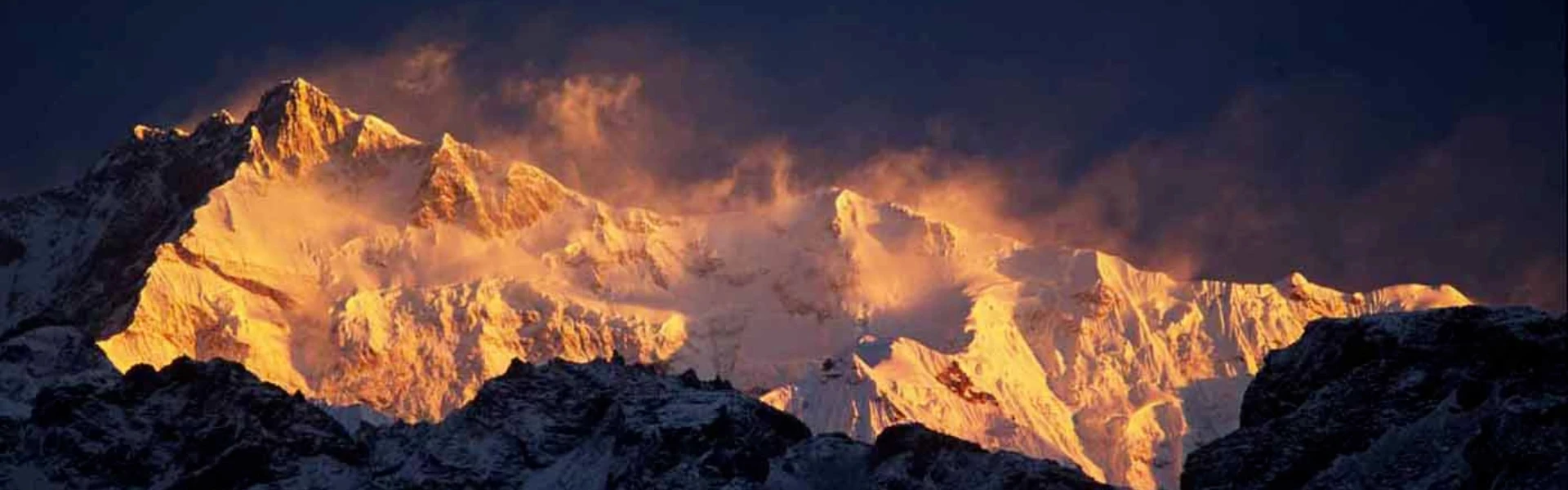
Kanchenjunga (8,586m) – Remote, Wild, and Unforgiving
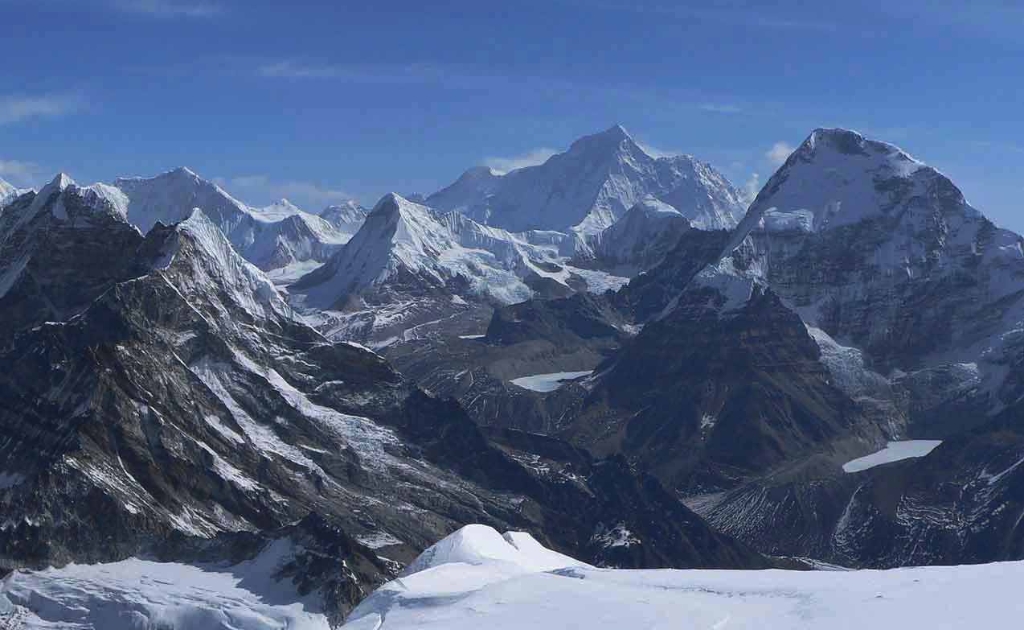
Mount Kanchenjunga (8,586m), the third-highest mountain in the world, standing remote and majestic in eastern Nepal.
Difficulty Rating: Very Difficult
Kanchenjunga is the third-highest mountain in the world and one of the least climbed among the 8000m peaks. Its remote location in eastern Nepal means limited rescue options, fewer established camps, and complex logistics. Climbers must be fully self-sufficient for long periods.
The mountain involves steep snow slopes, exposed ridges, and technical sections that demand strong rope skills and solid judgment. Weather conditions are harsh, and avalanches are a constant concern. Because of cultural respect, many climbers stop just short of the summit, adding another psychological element to the climb.
Kanchenjunga is best suited for highly experienced alpinists seeking a serious, old-school Himalayan expedition rather than a commercial climb.
Lhotse (8,516m) – Everest’s Technical Neighbor
Difficulty Rating: Difficult
Lhotse shares much of its route with Everest until Camp III, but the challenge escalates dramatically above that. The Lhotse Couloir, a steep and icy face leading to the summit, is one of the most technical sections found on any 8000m peak.
Although climbers benefit from Everest’s infrastructure during the early stages, the final ascent requires excellent crampon technique, efficient movement on fixed ropes, and strong endurance at extreme altitude. Lhotse is often underestimated because of its proximity to Everest, but it demands a higher technical skill level.
For climbers looking to step beyond Everest-style routes and test their technical ability at extreme altitude, Lhotse is a formidable choice.
Makalu (8,485m) – A True Test of Technical Skill
Mount Makalu (8,485m), one of Nepal’s most technical 8000m peaks, known for its striking pyramid shape.
Difficulty Rating: Very Difficult
Makalu is widely regarded as one of the most technically demanding 8000m peaks in Nepal. The mountain features steep ice walls, exposed ridges, and sustained climbing at high altitude. Unlike Everest, Makalu offers little margin for error.
Strong winds, extreme cold, and complex terrain make acclimatization rotations physically exhausting. Climbers must be comfortable with advanced ice climbing techniques and efficient rope management. Makalu has a lower success rate than Everest and attracts serious mountaineers rather than first-time 8000m climbers.
This peak is ideal for climbers who already have multiple high-altitude expeditions under their belt and want a pure alpine challenge.
Cho Oyu (8,188m) – The Most Accessible 8000m Peak
Difficulty Rating: Moderately Difficult
Cho Oyu is often considered the best first 8000m peak, and for good reason. The normal route features relatively gentle slopes, fewer objective dangers, and straightforward glacier travel compared to other giants.
While altitude remains a major challenge, the technical demands are lower, making Cho Oyu suitable for climbers transitioning from 7000m expeditions. Weather windows are generally more stable, and acclimatization is easier due to logical camp placements.
That said, Cho Oyu should never be underestimated. Proper training, strong cardiovascular fitness, and high-altitude awareness are still essential for a safe and successful climb.
Dhaulagiri I (8,167m) – Isolated and Avalanche-Prone
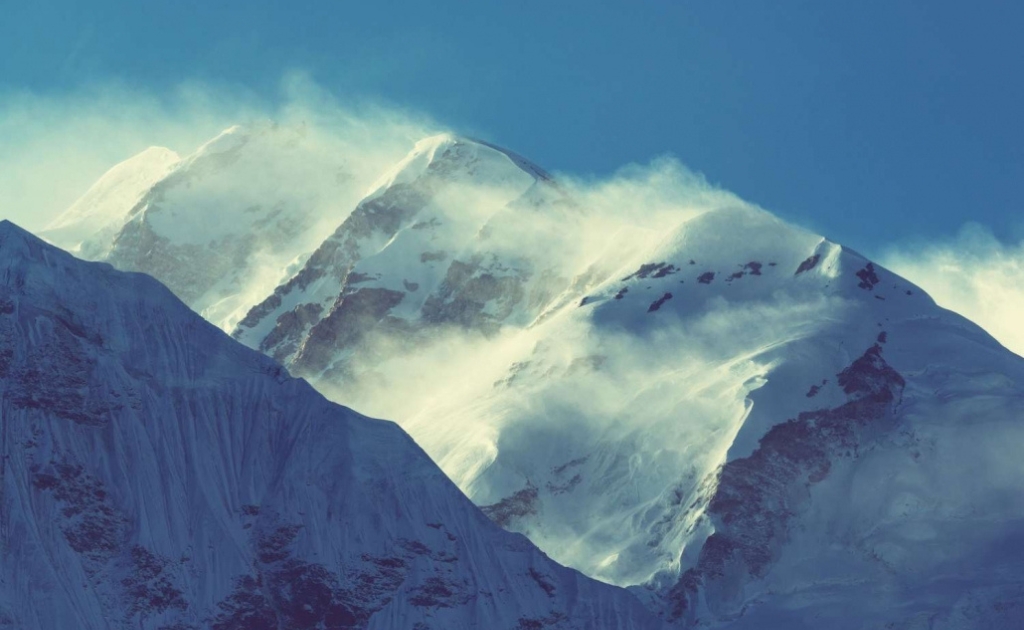
Mount Dhaulagiri (8,167m), one of Nepal’s most dramatic and isolated 8000m peaks, dominating the western Himalayas.
Difficulty Rating: Very Difficult
Dhaulagiri is one of the most dangerous 8000m peaks in Nepal due to its avalanche risk, steep faces, and remote location. The mountain rises dramatically above surrounding valleys, creating intense weather systems and rapid snow accumulation.
The standard route involves glacier crossings, unstable seracs, and long summit pushes that test both physical endurance and mental resilience. Rescue options are extremely limited, making self-reliance crucial.
Dhaulagiri is recommended only for climbers with strong expedition experience and a deep understanding of risk management in extreme environments.
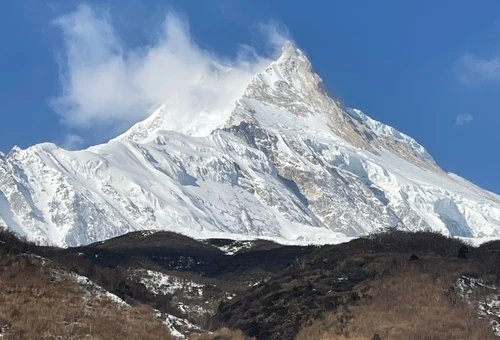
Manaslu (8,163m) – Popular but Still Serious
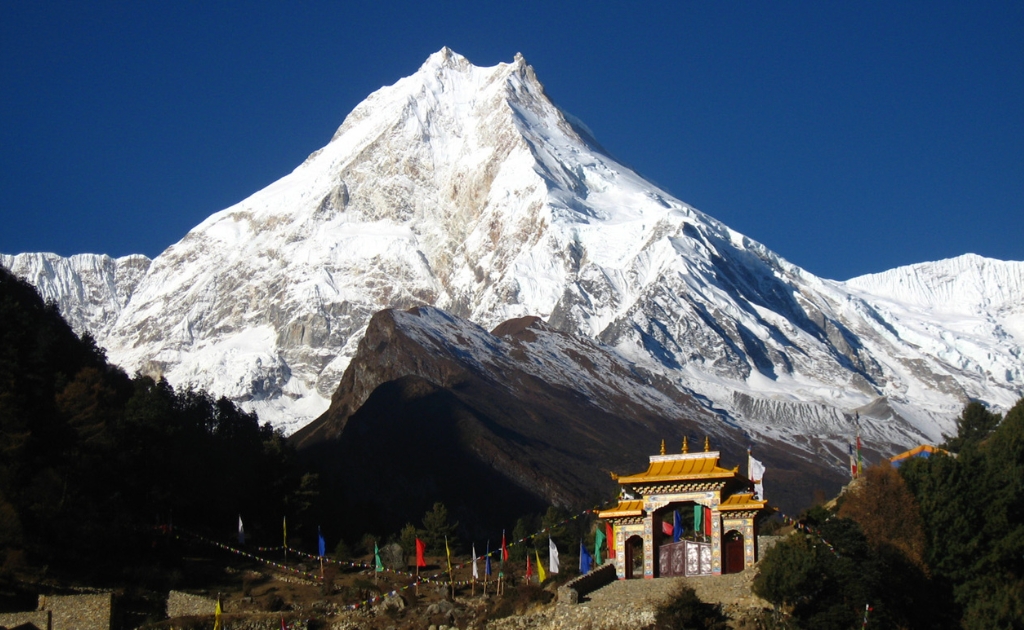
Mount Manaslu (8,163m), the eighth-highest mountain in the world, standing tall in the Mansiri Himal range of Nepal.
Difficulty Rating: Moderately Difficult
Manaslu has gained popularity as a commercial 8000m expedition, but it remains a serious undertaking. The mountain offers long snow slopes, crevassed glaciers, and significant avalanche exposure, especially after heavy snowfall.
Compared to Everest, Manaslu has fewer technical sections, making it attractive to climbers aiming for their first 8000m summit. However, success depends heavily on timing, acclimatization, and professional support.
With proper logistics and experienced Sherpa guidance, Manaslu can be a rewarding introduction to extreme-altitude climbing.
Annapurna I (8,091m) – The Most Dangerous Giant
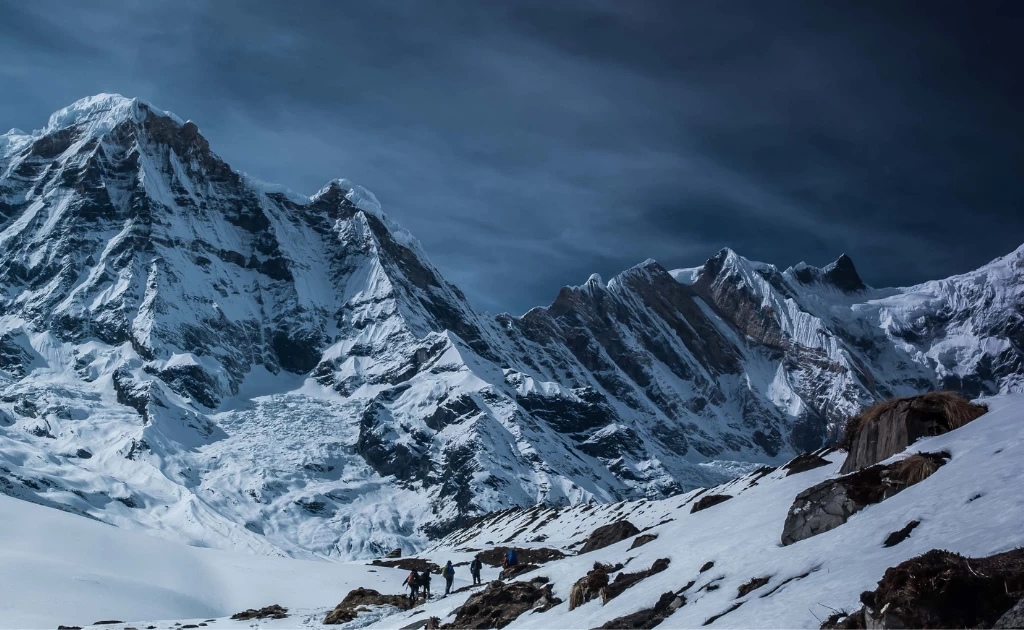
Mount Annapurna I (8,091m) towering above trekkers, showcasing its massive scale and rugged Himalayan terrain.
Difficulty Rating: Extremely Difficult
Annapurna I is infamous for having one of the highest fatality-to-summit ratios among all 8000m peaks. The danger comes not from extreme technical climbing, but from constant avalanche risk and unstable snow conditions.
Weather changes rapidly, and safe climbing windows are short and unpredictable. Even highly experienced climbers treat Annapurna with extreme caution. Every decision on this mountain carries significant consequences.
Annapurna is strictly for elite mountaineers with extensive 8000m experience and a strong understanding of risk acceptance.
Which 8000m Peak Should You Choose?
Choosing the right 8000m peak depends on your experience level, technical skills, and long-term mountaineering goals. Peaks like Cho Oyu and Manaslu are suitable for climbers stepping into extreme altitude, while Makalu, Dhaulagiri, and Annapurna demand elite-level experience.
Preparation goes beyond fitness. It includes altitude training, previous high-altitude climbs, mental resilience, and selecting a responsible expedition operator who prioritizes safety over speed.
Climb Nepal’s 8000m Peaks with Yatri Trekking
At Yatri Trekking, we specialize in expert-led Himalayan expeditions designed for climbers who value safety, professionalism, and authentic mountain experiences. From preparation guidance and acclimatization strategies to experienced Sherpa support and ethical expedition practices, we help turn ambitious climbing goals into safe and successful ascents.
If you’re planning your next high-altitude challenge in Nepal, now is the time to prepare properly and choose the right mountain.
Contact Yatri Trekking today and start your journey toward Nepal’s legendary 8000m peaks.

.webp)