A Peaceful Himalayan Experience for Nature and Culture Lovers
Why Choose Mardi Himal Trek?
Table of Contents
A Short Trek with Big Rewards
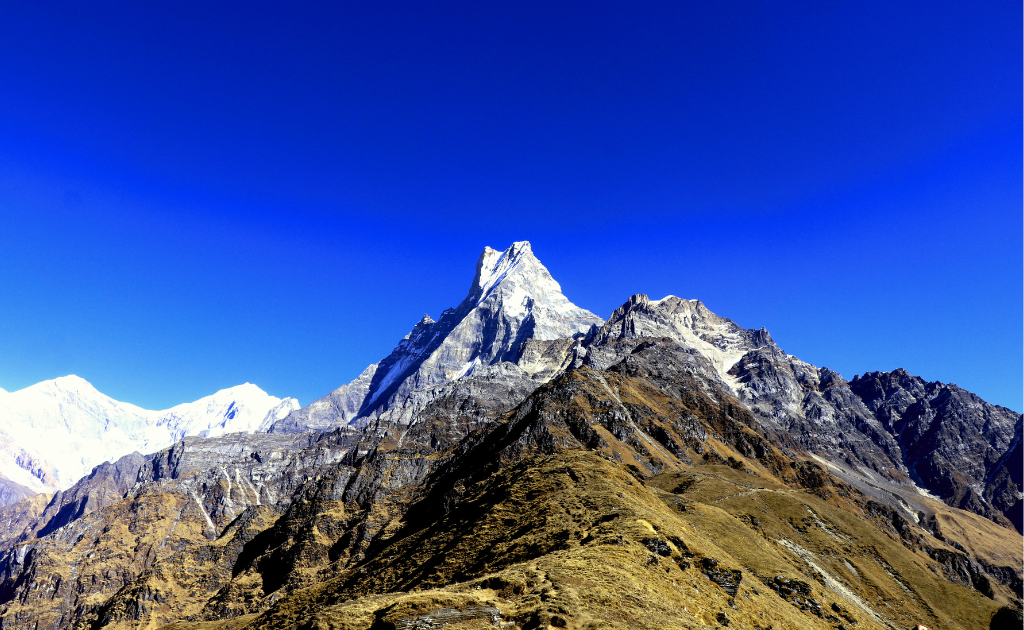
The Mardi Himal Trek is one of the best short treks in Nepal, offering a true Himalayan adventure without requiring weeks on the trail. Perfect for travelers who want to experience the magic of the Annapurna region in just 5 to 7 days, it’s an ideal alternative to the more crowded Annapurna Base Camp Trek or Ghorepani Poon Hill Trek. Despite being shorter, it delivers breathtaking mountain scenery, peaceful trails, and a sense of solitude that’s hard to find on the busier routes.
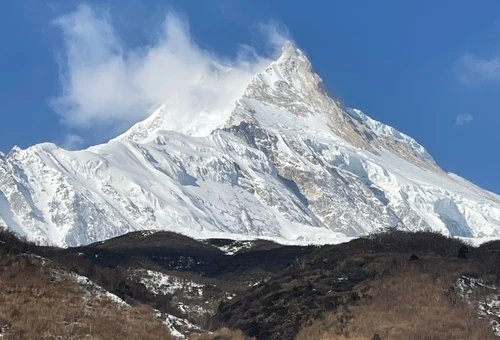
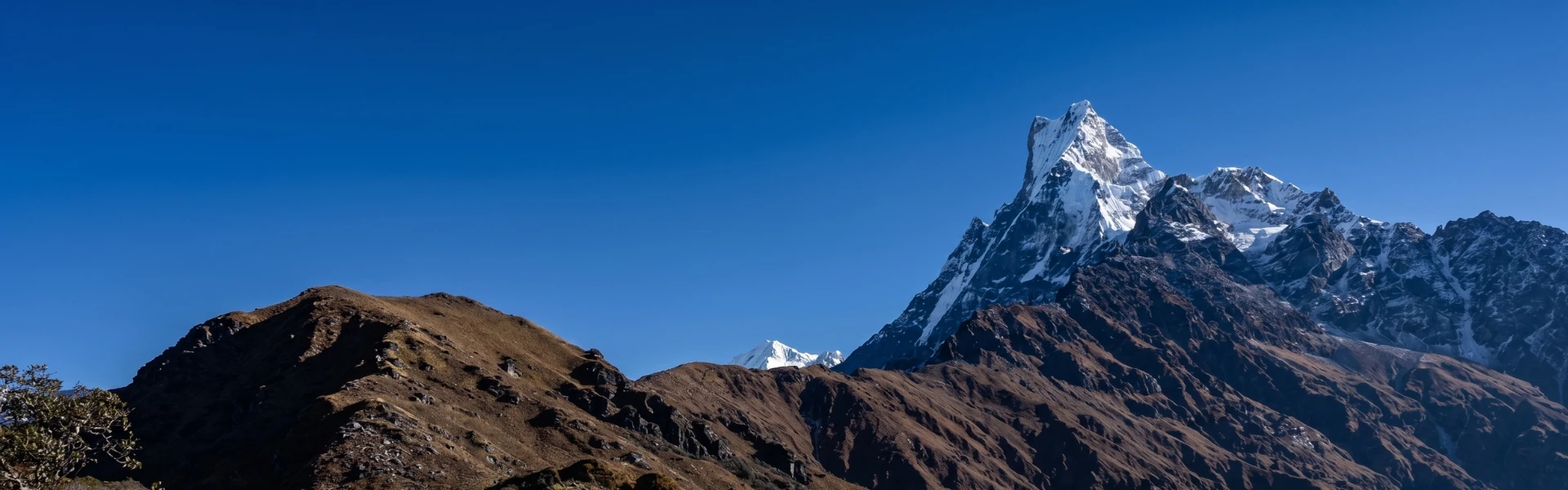
The journey begins just outside Pokhara a popular lakeside city and gateway to many treks in Nepal (things to do in Pokhara). Within hours, you’ll leave behind the urban bustle and step into tranquil rhododendron forests, where colorful blooms paint the hillsides in spring. The trail gradually opens to high ridges with sweeping Himalayan views, giving you front-row seats to some of Nepal’s most iconic peaks, including Machapuchare (Fishtail), Mardi Himal, and Annapurna South.
One of the biggest rewards of the Mardi Himal trek is its peaceful atmosphere. Unlike the busier trekking routes, you’ll often find yourself walking for hours without encountering large groups, allowing for a more personal and immersive mountain experience. Even though the trek is short, the diversity of landscapes from lush lowlands to rugged alpine viewpoints makes every day feel fresh and rewarding. For anyone looking for a short yet unforgettable trek in Nepal, Mardi Himal offers exactly that: big rewards without the long commitment.
For more details about similar adventures in the Annapurna region, check out the Annapurna Conservation Area guide.
Trek That’s Easy to Handle but Rich in Beauty
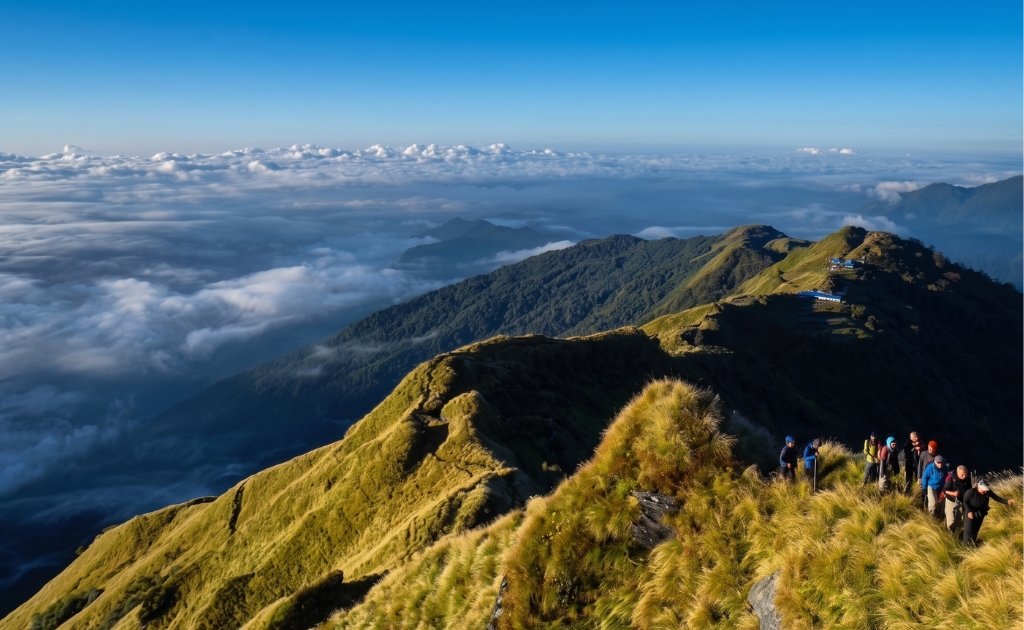
The Mardi Himal Trek is often praised for its perfect balance between challenge and accessibility. It’s not a walk in the park, but it’s also not a grueling expedition making it one of the best moderate treks in Nepal. With gentle ascents and manageable descents, the route is well-suited for first-time trekkers or anyone with basic physical fitness. Unlike high-altitude expeditions that demand extreme stamina or technical climbing skills, Mardi Himal allows you to experience the thrill of Himalayan trekking without feeling overwhelmed.
The most demanding section is the final push to Mardi Himal Base Camp at 4,500 meters, but even this is designed with gradual elevation gain. This slow and steady climb gives your body time to adapt, reducing the risk of altitude sickness a crucial consideration for trekking in Nepal (guide to trekking safety). Along the way, the trail unfolds into wide-open ridgelines, where the sky feels endless and the horizon is crowned with snow-capped giants like Machapuchare, Annapurna South, and Hiunchuli.
The beauty of this trek lies not only in its landscapes but also in its peaceful atmosphere. Even during peak seasons, Mardi Himal remains less crowded compared to popular routes like Everest Base Camp or Annapurna Base Camp. Every step offers a new perspective whether it’s mist rising over the forests in the morning or golden sunsets painting the mountains. For those looking for an easy-to-handle Himalayan trek that still feels like a grand adventure, Mardi Himal is hard to beat.
Rest and Recharge in Cozy Teahouses
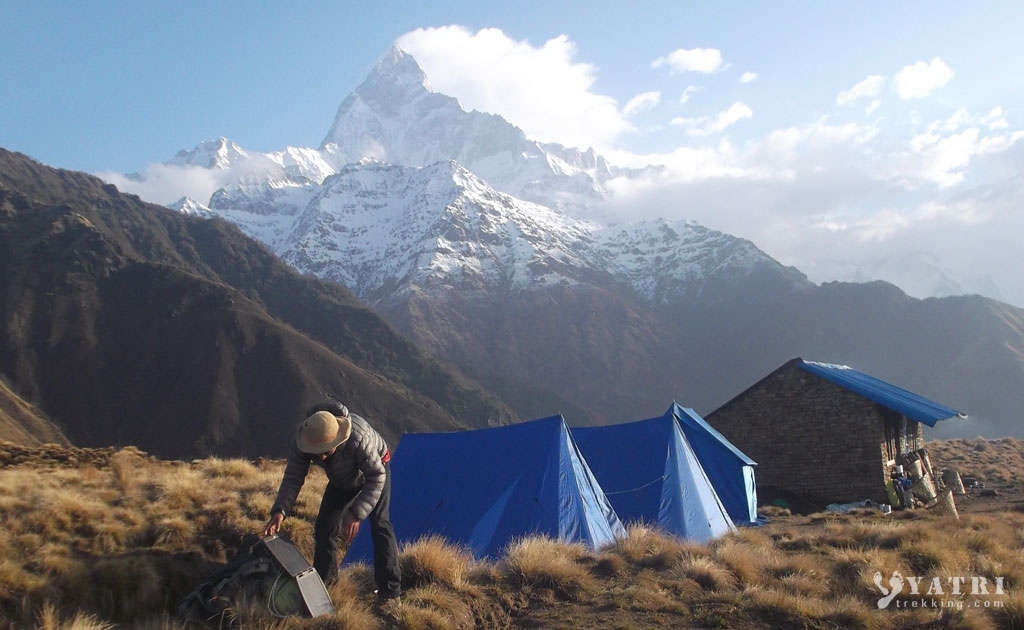
One of the things that makes the Mardi Himal Trek so enjoyable is its network of welcoming teahouses along the route. Trekking here doesn’t mean hauling heavy camping gear or sleeping in tents instead, each village and camp offers comfortable, family-run lodges where you can relax after a day’s hike. These teahouses typically provide clean rooms, warm blankets, and hearty home-cooked meals, making them an essential part of the Himalayan trekking experience.
Many are built from traditional stone and wood, giving them a rustic charm that blends perfectly with the mountain surroundings. Inside, you’ll often find a dining area with a central fireplace where trekkers gather in the evening, swapping stories over mugs of hot tea or bowls of steaming soup. Facilities vary depending on altitude, but until High Camp, most teahouses offer hot showers, charging points for your devices (for a small fee), and even Wi-Fi making it easier to stay connected.
For those trekking solo or visiting Nepal for the first time, this system of teahouse accommodation makes the journey stress-free and more accessible. You can travel light, focus on the views, and enjoy the company of fellow adventurers from all over the world. It’s a social, authentic, and comfortable way to experience the mountains, much like the lodges found on the Annapurna Base Camp Trek and other popular routes. For more on what to expect from Nepal’s teahouses, you can also check Nepal Tourism Board’s accommodation guide.
Savor Local Flavors on the Trail
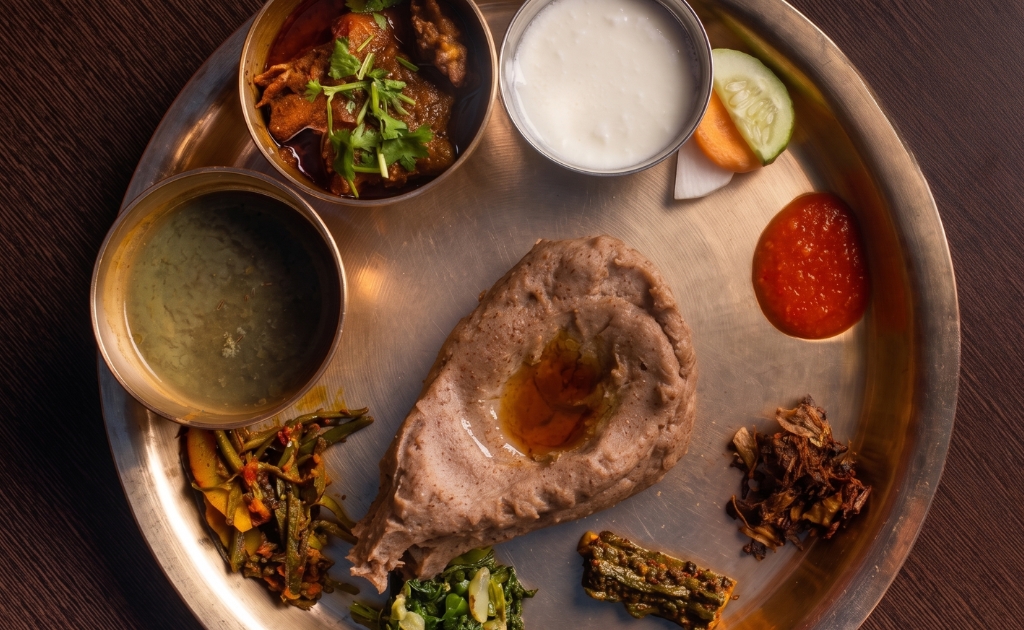
Food is one of the most memorable parts of the Mardi Himal Trek, and every meal feels like a reward after hours on the trail. The teahouses along the route serve freshly prepared dishes made from locally grown ingredients, often sourced directly from the surrounding villages. The star of the menu is Dal Bhat a generous plate of steamed rice, lentil soup, seasonal vegetables, and tangy pickles. It’s the ultimate trekking fuel: filling, nutritious, and packed with the energy you need to keep going.
But Dal Bhat is just the beginning. You’ll also find momos (steamed or fried Nepali dumplings), hearty noodle soups, chapati with curry, and in some places, homemade apple pies or pancakes. Many teahouses maintain small vegetable gardens, ensuring the food feels home-cooked, fresh, and full of flavor. Starting your day with warm porridge or sipping salty butter tea before a climb adds a comforting touch to the Himalayan mornings.
Trying local food on the trek is more than just eating it’s an immersion into Nepali culture. Each dish reflects the traditions of the mountain communities you pass through, making your journey as much about flavor as it is about scenery. For more insight into what to expect from teahouse dining on treks, you can read the Nepal trekking food guide or visit the Nepal Tourism Board’s page on Nepali cuisine.
Dive into Gurung and Magar Culture
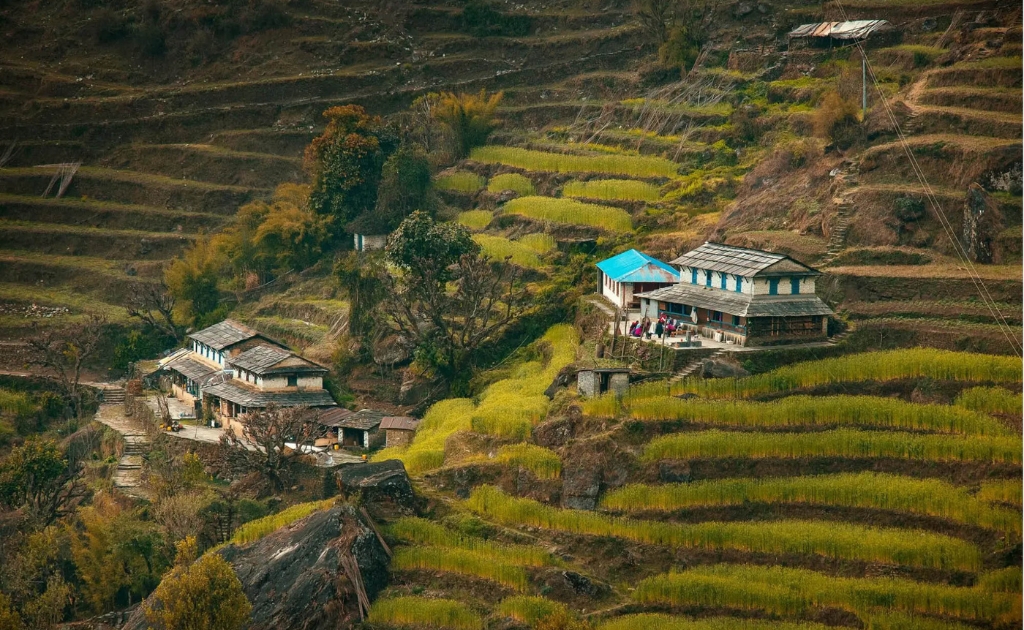
What sets the Mardi Himal Trek apart from many other short treks in Nepal is not only its mountain scenery but also the cultural richness woven into the journey. As you follow the trail through the lower hills and villages, you’ll encounter the Gurung and Magar communities two of Nepal’s most respected ethnic groups, celebrated for their warmth, traditions, and deep connection to the land.
Villages like Siding, Landruk, and Deurali welcome trekkers with stone-built houses, terraced fields, and colorful prayer flags fluttering in the breeze. The people here are known for their hospitality, often inviting guests to share a meal or join in local customs. If your timing is right, you might witness traditional Gurung and Magar dances, or be part of vibrant festivals such as Tihar, Maghe Sankranti, or local harvest celebrations. These moments provide a rare glimpse into the rhythm of mountain life, far from the bustle of city living.
Staying in a family-run teahouse not only offers comfort but also opens the door to authentic cultural exchange sharing stories, learning about farming traditions, or understanding the role of religion in daily life. This personal interaction adds a deeper dimension to your trek, transforming it from a scenic hike into a meaningful cultural journey. To learn more about ethnic communities in Nepal, you can explore the Nepal Tourism Board’s cultural heritage page or read our guide on local experiences in the Annapurna region.
Spectacular Mountains and Rich Nature
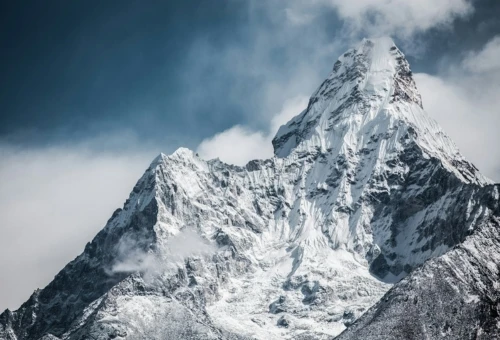
One of the most unforgettable highlights of the Mardi Himal Trek is the sheer beauty of its Himalayan views. From the very first days on the trail, you’re treated to sweeping panoramas of Machapuchare (Fishtail), Mardi Himal, Annapurna I, Annapurna South, and Hiunchuli. The closer you get to High Camp and Mardi Himal Base Camp, the more dramatic the scenery becomes the snow-clad peaks feel so near you could almost touch them. These vantage points are among the finest in the Annapurna region, rivaling even the viewpoints of Annapurna Base Camp in their grandeur.
But the beauty of Mardi Himal is not just about mountains. The trail takes you through an incredible variety of landscapes dense rhododendron forests, open alpine meadows, and rugged highland ridges. In spring, the hillsides burst into color with red, pink, and white rhododendron blossoms, while in autumn, the crystal-clear skies offer unmatched visibility, perfect for trekking and photography.
Wildlife lovers will also find plenty to admire. The region is home to Himalayan monal (Nepal’s national bird), langurs swinging through the treetops, and sure-footed mountain goats grazing along the ridges. Every turn in the path reveals a new scene whether it’s a glowing sunrise over the peaks or mist drifting through the forest. For photographers and nature enthusiasts, this trek offers endless opportunities to capture Nepal’s natural charm. To explore more about the biodiversity of this region, visit the Nepal Tourism Board’s nature and wildlife guide or read our Annapurna Conservation Area overview.
Scenic Weather and Trekking Seasons
The Mardi Himal Trek is one of the few Himalayan routes that can be enjoyed for most of the year, but the ideal trekking seasons are spring (March to May) and autumn (September to November). In spring, the hillsides come alive with blooming rhododendrons, fresh greenery, and pleasant daytime temperatures. The mild weather makes hiking comfortable, and the forests turn into a colorful paradise, especially around Low Camp and Forest Camp.
Autumn, on the other hand, offers crystal-clear skies and dry, stable conditions perfect for capturing the panoramic views of Machapuchare, Mardi Himal, and the Annapurna range. This is the most popular season for trekking in Nepal (learn more about the best time for trekking), and for good reason: visibility is at its peak, and the trails are in excellent condition.
Even early winter (December to February) can be a magical time on Mardi Himal. While it’s colder, especially at higher elevations, the crowds thin out, and the snow-dusted landscapes add a serene beauty to the trek. With proper winter trekking gear, it’s a peaceful alternative for those who prefer solitude.
Summer (June to August), however, coincides with the monsoon season. Heavy rainfall can make the trail muddy and slippery, and cloud cover often hides the mountain views. Unless you’re seeking a lush, rain-soaked trekking experience, it’s generally best to avoid Mardi Himal during this time.
With its favorable conditions in multiple seasons, varied scenery, and manageable weather patterns, Mardi Himal remains one of the most beginner-friendly yet scenic treks in Nepal. For more insights on seasonal trekking, you can check the Nepal Tourism Board’s trekking seasons guide.
Budget-Friendly Trekking Experience
For travelers seeking an affordable trek in Nepal without compromising on scenery or cultural experiences, the Mardi Himal Trek is hard to beat. Compared to longer and more commercial routes like the Everest Base Camp Trek or the Annapurna Circuit, Mardi Himal offers a high-value adventure at a fraction of the cost. Since it’s a shorter route typically completed in 5 to 7 days and begins just outside Pokhara, you spend less on transportation, trekking permits, and accommodation.
You don’t need expensive gear or technical equipment to complete this trek. Basic trekking clothes, sturdy hiking boots, and layered warm clothing are enough, making it accessible for students, backpackers, and budget-conscious travelers. Along the way, teahouses provide everything from hot meals to warm beds, eliminating the need for camping gear. Food and lodging costs are very reasonable, especially compared to high-altitude expeditions, and you can enjoy hearty meals like Dal Bhat, momos, and noodle soups without straining your budget.
Traveling with a local trekking agency such as Yatri Trekking can make the trip even more cost-effective. They offer customized Mardi Himal packages that cover permits, guides, and accommodation, ensuring a smooth experience without overspending. This makes Mardi Himal an ideal choice for anyone wanting a budget-friendly trek in the Annapurna region that still delivers breathtaking views, cultural encounters, and a genuine Himalayan atmosphere.
For more tips on keeping your Nepal trekking costs low, you can check the Nepal Tourism Board’s budget travel guide.
Easy Access and Better Mobile Coverage
One of the many advantages of the Mardi Himal Trek is how easy it is to reach compared to other Himalayan trails. You don’t need to spend days on rough roads or take costly domestic flights to get started. The trek begins with a short drive from Pokhara to Kande or Phedi, the two main starting points of the route. From Kathmandu, you can reach Pokhara either by a scenic bus ride or a quick 25-minute flight (see our Pokhara travel guide). This accessibility makes Mardi Himal a convenient choice for trekkers with limited time or those looking for a hassle-free adventure.
Another big advantage is the mobile network coverage along the trail, which has improved significantly over the years. Most teahouses up to Low Camp offer reliable phone signals and even Wi-Fi, and in some cases, you may get connectivity at High Camp as well. This means you can keep in touch with friends and family, share updates on social media, or even work remotely if needed.
For solo trekkers, families, or first-time hikers in Nepal, this combination of easy access and digital connectivity adds a sense of comfort and security. You can enjoy the wilderness and mountain beauty while still having the reassurance of staying connected. For more details on trekking routes with good accessibility in Nepal, you can check the Nepal Tourism Board’s trekking guide.
Permits Made Simple: ACAP and TIMS for Mardi Himal Trek
Before starting your Mardi Himal Trek adventure, make sure you have the right permits. Here’s everything you need to know:
Annapurna Conservation Area Permit (ACAP)
Cost: NPR 3,000 (approx. USD 22) for foreign trekkers.
Purpose: Supports environmental conservation, local community development, and trail maintenance in the Annapurna Conservation Area.
Where to Get It: Available at the Nepal Tourism Board offices in Kathmandu and Pokhara, or through Yatri Trekking as part of your trek package.
Trekkers’ Information Management System (TIMS) Card
Cost: NPR 2,000 (approx. USD 15) for independent trekkers.
Purpose: Records your trek details for safety and search-and-rescue coordination in remote Himalayan regions.
Where to Get It: Issued by the Nepal Tourism Board or arranged by Yatri Trekking for a hassle-free process.
Easy and Quick Process
Both permits can be issued in less than an hour from the NTB office.
Having ACAP and TIMS ensures your trek is safe, legal, and environmentally responsible, allowing you to enjoy the Mardi Himal trails with peace of mind.
Final Thoughts
The Mardi Himal Trek is more than just a hike it’s a journey that connects you with nature, culture, and the spirit of the Himalayas. Whether you're short on time, new to trekking, or just looking for a peaceful trail with stunning views, this trek offers it all. At Yatri Trekking, we make sure your experience is smooth, enjoyable, and unforgettable.
Join us on the Mardi Himal trail and discover one of Nepal’s most beautiful hidden gems.
.webp)
Ashish Gurung
Call us on WhatsApp+977 9851087925OrChat with us