Do you want to know what a day on the Everest Base Camp trek really looks like? Not the perfect Instagram photos. The real thing, from morning to night.
We're going to tell you the story simply, like we're walking right next to you. No fancy words. Just a beautiful story, one day in the mountains of Nepal.
At Yatri Trekking, we've been organizing this trek since 2006, mostly for French and Swiss travelers. We know every step of the way. So get comfortable, and come walk with us.
6:00 AM: waking up in the cold
The day starts early in the mountains. It's still dark outside. It's cold, very cold, especially above 4,000 meters.
You poke your head out of your sleeping bag. There's no heating in the small stone houses where you sleep, called lodges. So you quickly put on your warm clothes. A hat, a down jacket, two pairs of socks.
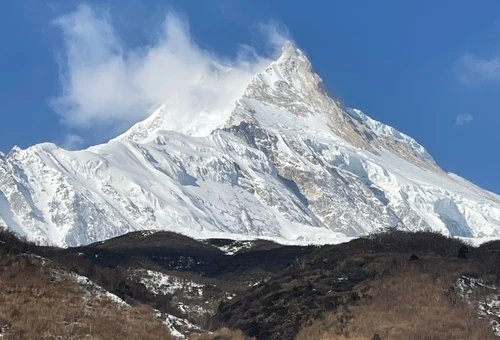
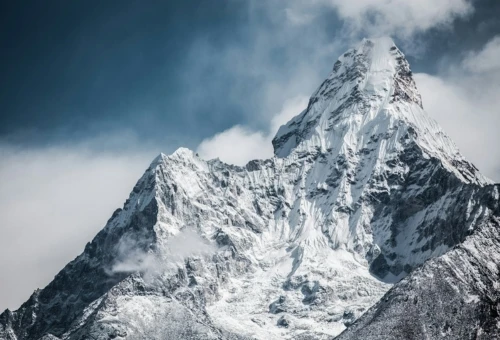
Outside, the sky turns pink. The mountains turn orange. It's one of the most beautiful moments of the day.
6:30 AM: breakfast by the fire
You go down to the lodge's dining room. There's a small stove in the middle of the room, often burning wood or dried yak dung. Everyone gathers around it to warm their hands.
On the menu: porridge, eggs, Tibetan bread, or pancakes with honey. And of course, hot tea. Lots of tea. Drinking plenty of fluids is very important at altitude, it helps the body get used to the lower oxygen levels.
Your guide watches you eat. He wants to make sure you're feeling good before you set off.
7:30 AM: setting off, pack on your back
The group hits the trail. Your guide leads the way. Behind him, the porters, carrying the big bags on their backs with real strength and a smile.
The trail is made of stone, dirt, sometimes wood. You walk alongside a blue-green river that comes straight from the mountain ice. You pass yaks carrying loads. You pass other trekkers, from all over the world.
The golden rule here is "bistari bistari". In Nepali, that means "slowly slowly". You don't run in the mountains. You move forward one small step at a time.
9:00 AM to 12:00 PM: the long morning walk
This is the heart of the day. You walk between 5 and 7 hours depending on the day, over ground that climbs, then drops, then climbs again.
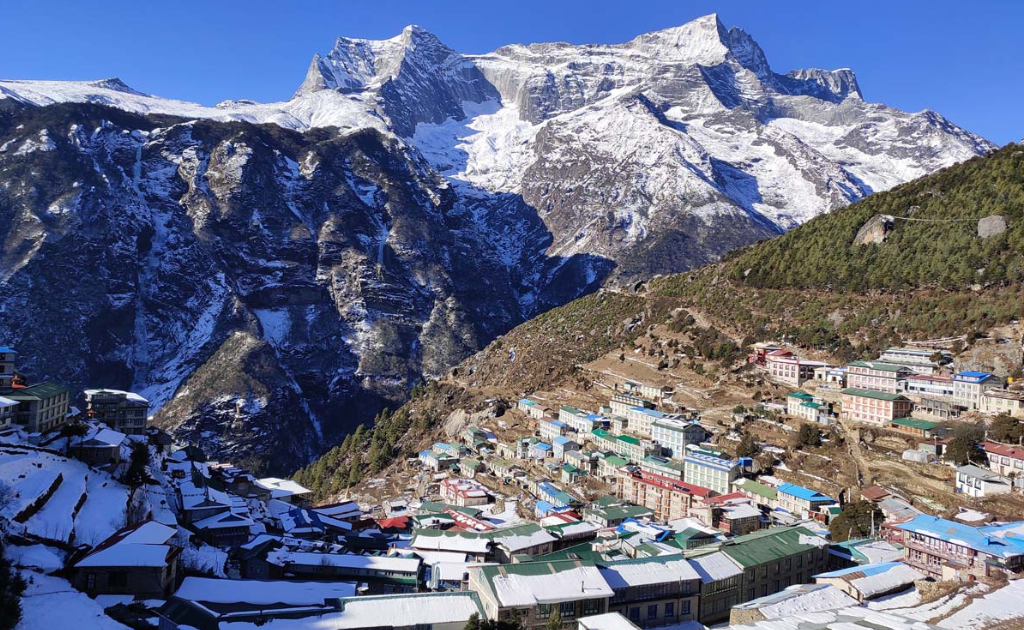
The trail passes through beautiful Sherpa villages like Namche Bazaar (3,440 meters) or Tengboche, home to a large Buddhist monastery built in 1916. You see prayer flags flying in the wind. Sometimes you hear the sound of a Tibetan horn.
The higher you go, the less air there is. It's completely normal to breathe harder, even while walking slowly. That's why the trek takes two weeks and not three days: the body needs time to adjust to the altitude.
12:30 PM: lunch break
The group stops at a small lodge along the way. On the menu: the famous dal bhat, a Nepali dish with rice, lentils, and vegetables. Many trekkers say, "Dal bhat power, 24 hour!" It means this dish gives you enough energy to walk all day long.
You take your boots off for a few minutes. You look at the mountains around you. The silence here is huge.
2:00 PM to 4:00 PM: arriving at the next village
In the afternoon, you keep walking slowly until you reach the village where you'll sleep. As soon as you arrive, there's one important thing to do: drink water, rest, and let your body acclimatize.
Some days aren't about walking to a new village at all. They're acclimatization days. You climb a bit higher during the day, then come back down to sleep lower. It's a simple but essential rule in high mountains: "climb high, sleep low."
5:00 PM: quiet time
Evening falls fast in the mountains, and it gets cold the moment the sun drops behind the peaks. This is time to rest. Some people read a book. Others play cards with fellow trekkers. Others write in their travel journal.
This is also when your guide checks in on everyone. He looks for signs of a headache, fatigue, or trouble breathing. This matters a lot for everyone's safety.
6:30 PM: dinner and evening stories
Dinner looks a lot like lunch: dal bhat, soup, momos (Nepali dumplings), or noodles. Everyone gathers around the stove again.
It's a magical moment. People from all over the world share their stories. Porters and guides talk about their life in the mountains. Everyone laughs, everyone talks about the peaks they can see in the distance.
8:00 PM: bedtime, one step closer to Base Camp
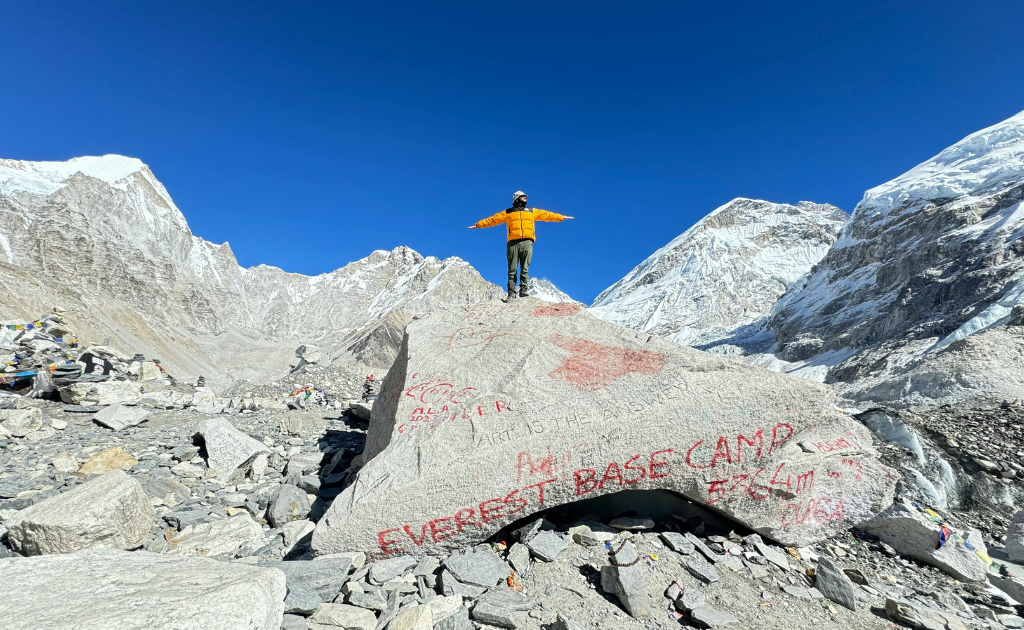
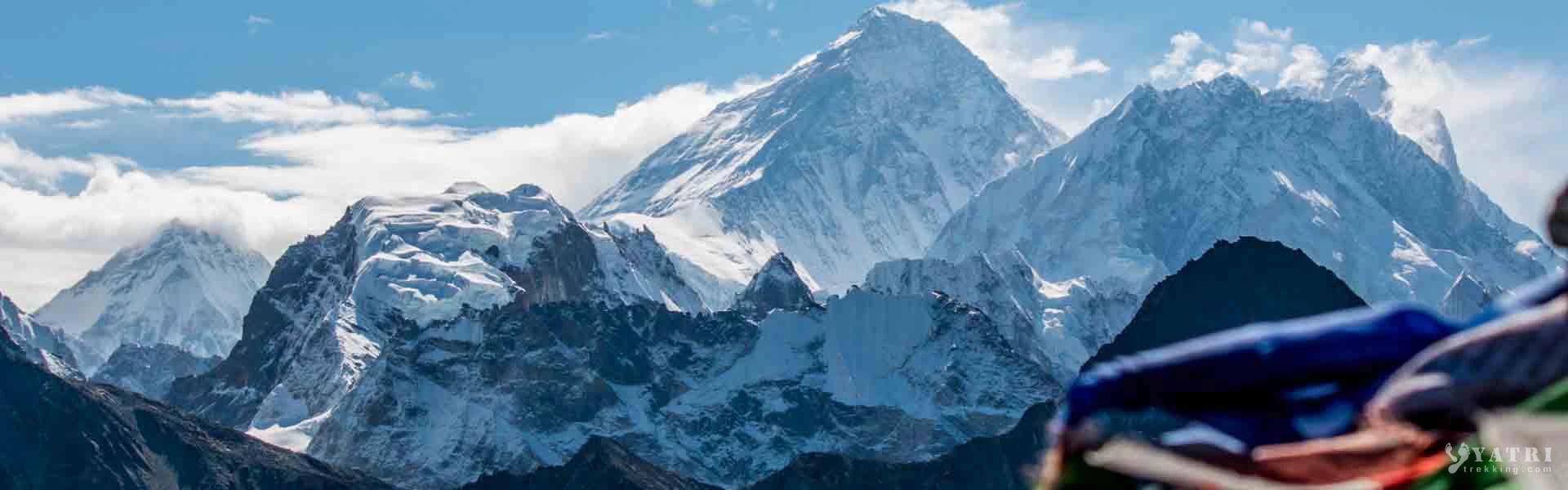
You head back to your room, under several blankets, tucked into your warm sleeping bag. Tomorrow, you walk again. Day by day, you get closer to the famous Everest Base Camp, sitting at 5,364 meters, right at the foot of the world's highest peak.
Many trekkers also climb up to Kala Patthar (5,545 meters), an incredible viewpoint to watch the sun rise over the summit of Everest.
What you need to know before you go
To walk to Base Camp, you need two trekking permits: the Sagarmatha National Park permit and the Khumbu Pasang Lhamu Rural Municipality permit. The Sagarmatha National Park permit costs around NPR 3,000, roughly USD 20, and the municipality permit costs about the same. Since 2023, a licensed guide is required to trek in the Khumbu region.
The trek usually takes 12 to 14 days round trip from Lukla, covering about 130 kilometers in total. The best seasons are spring (March to May) and autumn (September to November), when the sky tends to be clearest.
You can find official information about trekking permits on the Nepal Tourism Board's website.
Ready to live this day for yourself?
A day on the Everest Base Camp trek is a mix of cold air, effort, smiles, and mountains that touch the sky. Yes, it's tiring. But it's also one of the most beautiful adventures you can live on foot.
At Yatri Trekking, a family-run Nepali agency since 2006, we prepare this trek for you, with a French-speaking guide, experienced porters, and real support for your acclimatization, day after day.
👉 Check out our Everest Base Camp trek and tell us about your plans.
👉 Or contact us directly to build your own custom trek.
Want to read more about our treks in Nepal? Find all our articles on the Yatri Trekking blog.
.webp)