Introduction to the Langtang Valley Trek
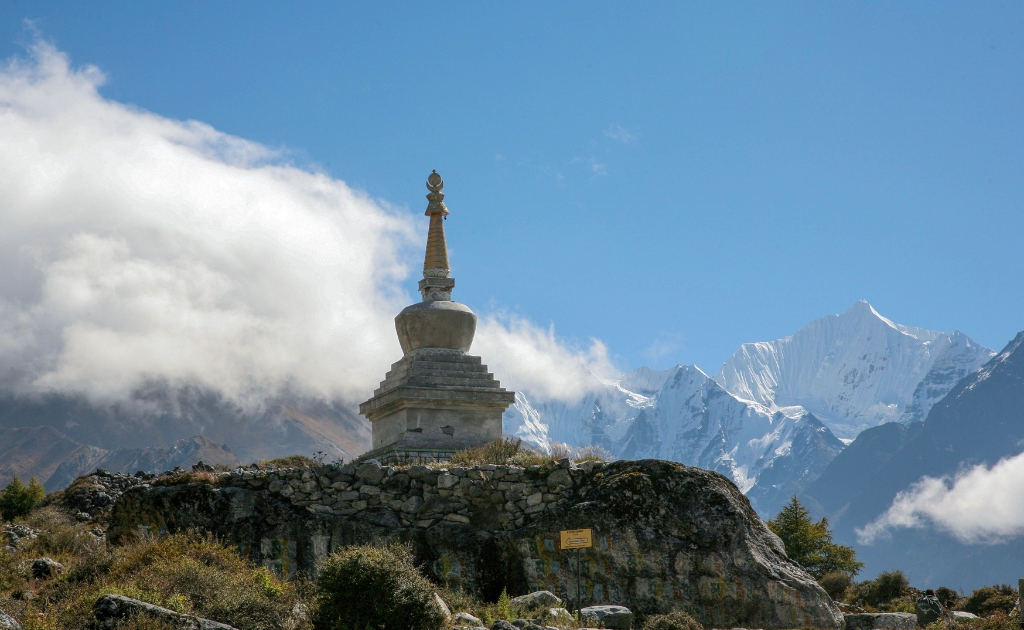
If you're looking for a Himalayan adventure that combines breathtaking mountain scenery, rich local culture, and peaceful trails, the Langtang Valley Trek is one of the best choices in Nepal. Located just north of Kathmandu, this beautiful valley offers an unforgettable trekking experience without the large crowds found on the Everest and Annapurna routes.
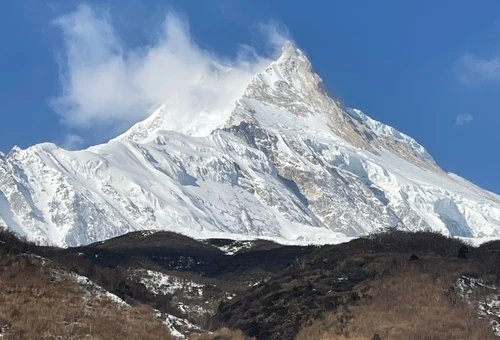
The trek takes you through lush rhododendron forests, traditional Tamang villages, rushing rivers, and high alpine meadows before reaching the picturesque village of Kyanjin Gompa. Along the way, you'll enjoy spectacular views of Langtang Lirung (7,227m), explore ancient monasteries, and even taste fresh yak cheese produced by the local cheese factory.
One of the biggest questions trekkers ask is: What is the best time to visit Langtang Valley? The answer depends on the type of adventure you're looking for. Weather, mountain views, trail conditions, and crowd levels all change with the seasons, making the timing of your trek an important part of your planning.
Whether you prefer colorful spring landscapes, crystal-clear autumn skies, peaceful winter trails, or lush monsoon scenery, every season offers a unique experience.
Planning Tip: Spring (March–May) and Autumn (September–November) are widely considered the best seasons for the Langtang Valley Trek because they offer the clearest mountain views, stable weather, and comfortable temperatures.
Weather Conditions Throughout the Year in Langtang Valley
The weather in Langtang Valley shifts noticeably between the seasons. Each time of the year offers something unique from blossoming flowers in spring to snowy trails in winter. Knowing the seasonal weather helps you choose the perfect trekking time.
Here’s a simple table showing Langtang Valley’s average weather by month:
Month | Temperature (°C) | Rainfall (mm) | Trekking Condition |
January | -5 to 5 | Low | Cold, snowy, fewer trekkers |
February | -2 to 7 | Low | Cold but clear, snow possible |
March | 0 to 10 | Medium | Blossoming flowers, good visibility |
April | 2 to 12 | Medium | Best conditions, colorful landscapes |
May | 5 to 15 | Increasing | Warm, occasional pre-monsoon showers |
June | 8 to 17 | High | Start of monsoon, slippery trails |
July | 10 to 18 | Very High | Wet and muddy, fewer trekkers |
August | 10 to 18 | Very High | Wet, green scenery, limited views |
September | 8 to 16 | Medium | Fresh trails, clear skies |
October | 5 to 14 | Low | Peak trekking season, perfect weather |
November | 2 to 10 | Low | Clear skies, crisp air |
December | -3 to 6 | Low | Cold and dry, chance of snow |
This table gives a good idea of what to expect during each month. Spring and Autumn are generally the most comfortable seasons for trekking, while Monsoon and Winter bring extra challenges.
Trekking Langtang Valley in the Beautiful Spring Season (March to May)
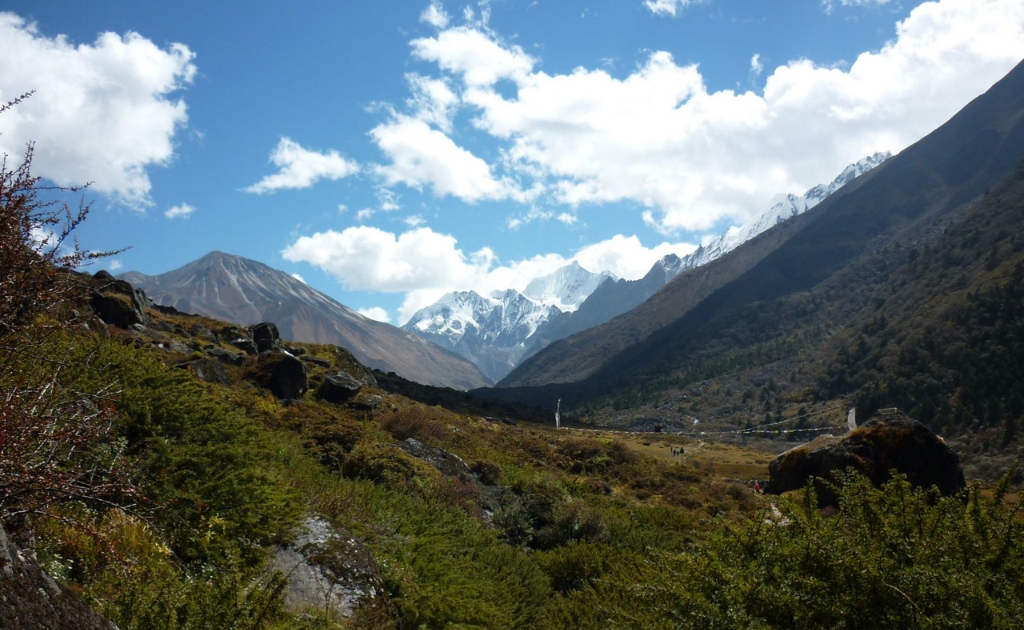
Spring (March to May) is widely regarded as the best time to visit Langtang Valley. As winter fades away, the valley comes alive with colorful rhododendron forests, blooming wildflowers, and fresh greenery. Combined with stable weather and excellent mountain visibility, spring offers everything trekkers look for in a Himalayan adventure.
Daytime temperatures usually range from 10°C to 15°C, making long hiking days comfortable, while evenings remain cool and refreshing. The trails are generally dry and easy to walk on, allowing you to fully enjoy the spectacular scenery without worrying about difficult trail conditions.
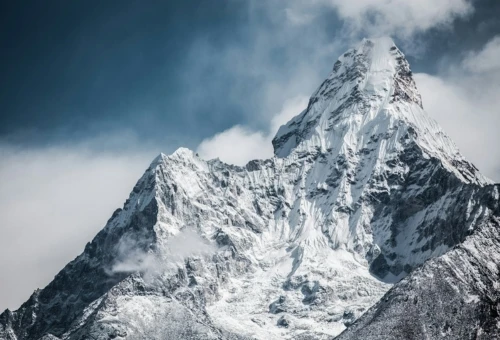
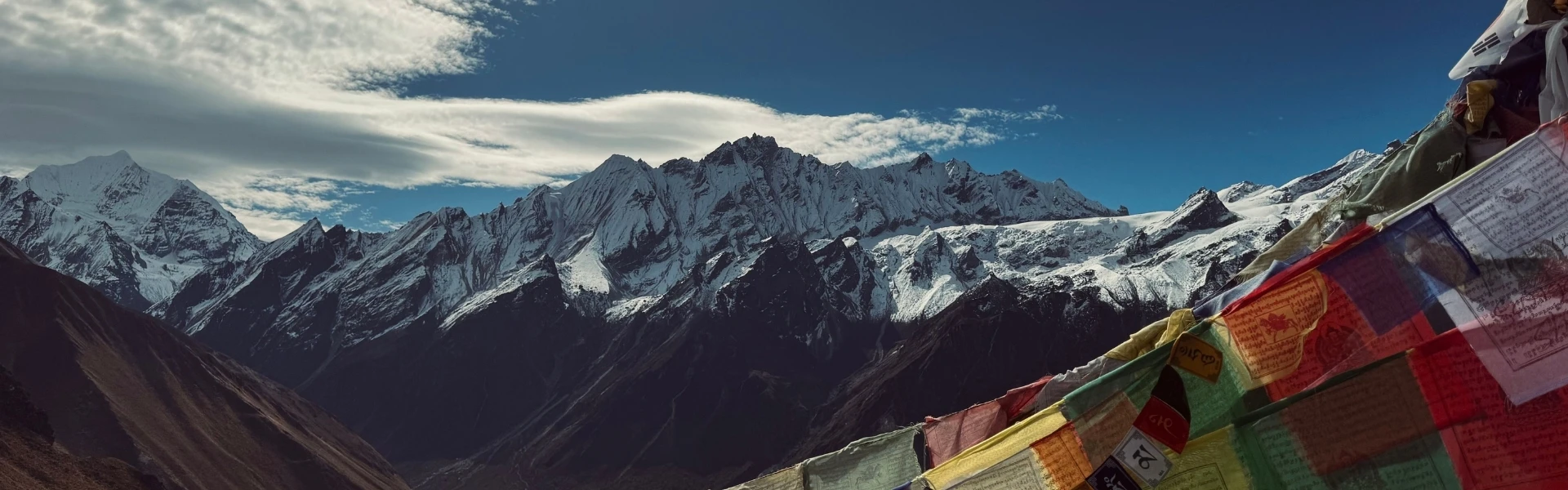
One of the biggest highlights of trekking in spring is the breathtaking panorama of Langtang Lirung, Ganesh Himal, Dorje Lakpa, and other snow-covered peaks. The clear skies provide incredible opportunities for photography, especially around Kyanjin Gompa and the hike to Kyanjin Ri. Wildlife also becomes more active during this season, making it a great time for birdwatching and spotting animals inside Langtang National Park.
Spring is also the busiest trekking season, so teahouses can fill up quickly, particularly in Langtang Village and Kyanjin Gompa. Booking your trip in advance ensures better accommodation and a smoother trekking experience.
If you have extra time, many trekkers combine the Langtang Valley Trek with the Gosainkunda Lake Trek, creating a longer journey through alpine lakes, sacred pilgrimage sites, and panoramic Himalayan landscapes.
Why trek Langtang in Spring?
- Comfortable daytime temperatures
- Clear mountain views and blue skies
- Rhododendrons and wildflowers in full bloom
- Excellent photography opportunities
- Ideal trail conditions for beginners and experienced trekkers
Travel Tip: Spring is one of the best seasons for first-time trekkers thanks to its reliable weather and comfortable hiking conditions. If you're planning your adventure, explore our Langtang Valley Trek package for a professionally guided experience with experienced local guides.
Experiencing Langtang Valley During the Popular Autumn Season (September to November)
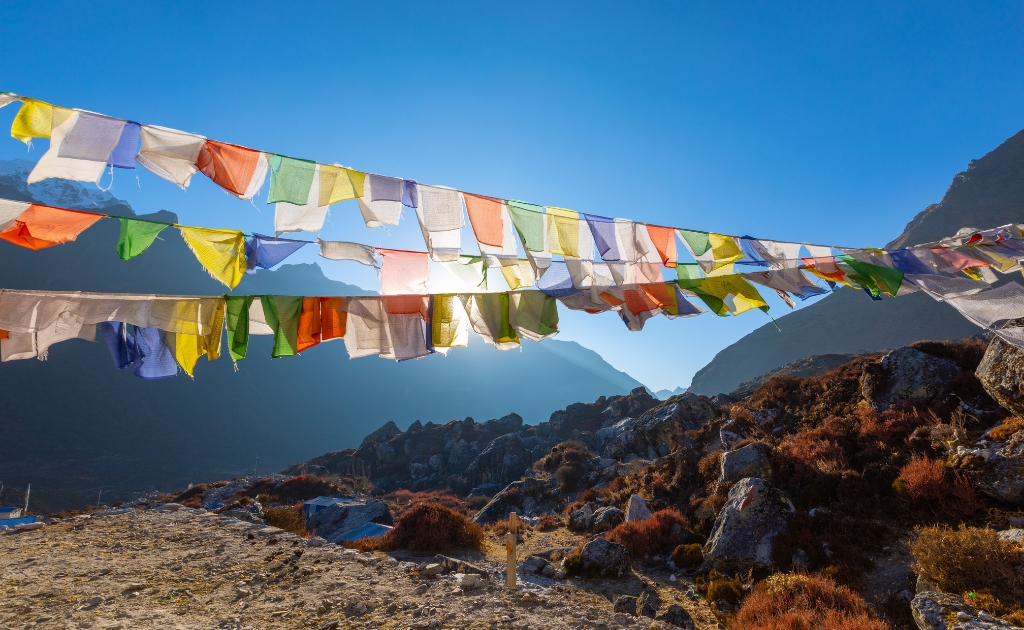
Autumn (September to November) is another outstanding season for the Langtang Valley Trek and is often considered the most reliable time for trekking in Nepal. After the summer monsoon, the air becomes fresh, the landscapes turn vibrant, and the mountain views are at their clearest.
Daytime temperatures generally range between 5°C and 14°C, creating ideal conditions for trekking. The trails are dry, river crossings are safer, and the crisp weather makes long hiking days enjoyable. Visibility is exceptional, allowing trekkers to admire stunning views of Langtang Lirung, Yala Peak, Dorje Lakpa, and the surrounding Himalayan range.
Autumn is also a wonderful time to experience the local culture. Nepal's biggest festivals, Dashain and Tihar, are celebrated during this season, giving visitors the chance to witness traditional ceremonies, colorful decorations, and warm hospitality in Tamang villages along the trail.
Because of its near-perfect weather, autumn is the busiest trekking season in Langtang. Popular teahouses can become fully booked, especially in October, so planning your trek early is highly recommended. Booking permits, transportation, guides, and accommodation in advance helps ensure a hassle-free adventure.
If you're looking for a longer Himalayan experience, many travelers continue their journey with the Helambu Trek, which connects beautifully with the Langtang region and offers peaceful villages, scenic forests, and impressive mountain views.
Why trek Langtang in Autumn?
- Crystal-clear mountain views
- Dry and well-maintained trekking trails
- Comfortable daytime temperatures
- Vibrant local festivals and cultural experiences
- Perfect conditions for photography and high-altitude hiking
Monsoon Adventures: Trekking Langtang Valley During the Rainy Season (June to August)
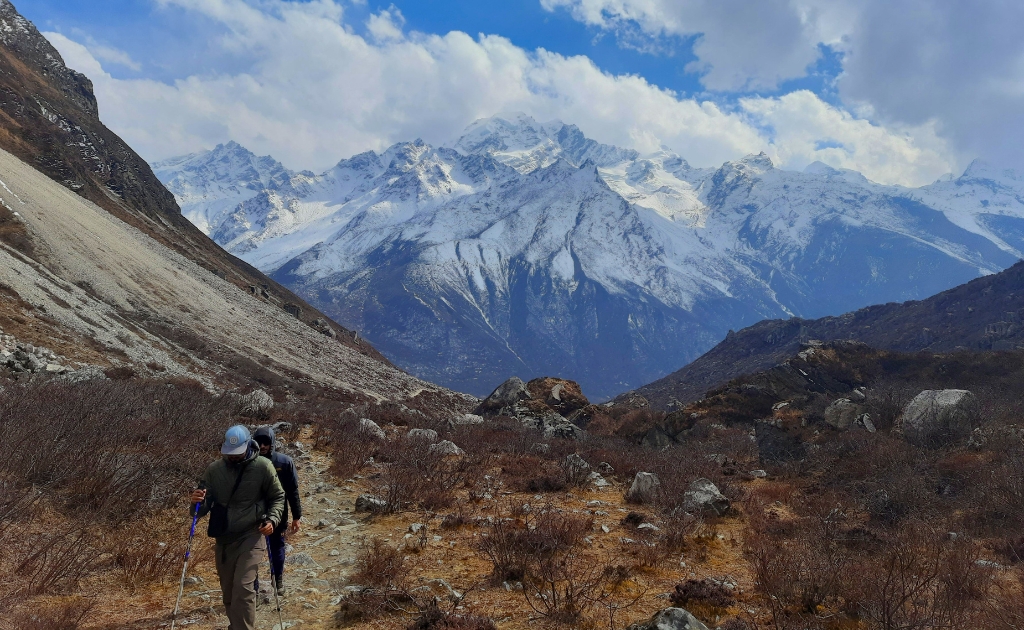
The monsoon season (June to August) is the quietest time to trek in Langtang Valley. Frequent rain makes the trails muddy and slippery, and landslides can occasionally affect road access. However, the valley becomes incredibly green, with blooming forests, waterfalls, and fresh mountain scenery.
Rain usually falls in the afternoon or evening, so early morning hikes often offer better weather and occasional mountain views. Fewer trekkers mean peaceful trails and a more relaxed teahouse experience. Waterproof gear, trekking poles, and a flexible itinerary are recommended for a safe journey.
If you're comfortable trekking in changing weather, the Langtang Valley Trek during the monsoon offers a unique and tranquil Himalayan experience. For updated weather and travel information, check the Nepal Tourism Board before your trip.
Tip: Start your trek early each day to avoid afternoon rain and enjoy the best views.
Winter Wonderland: Exploring Langtang Valley in the Snowy Months (December to February)
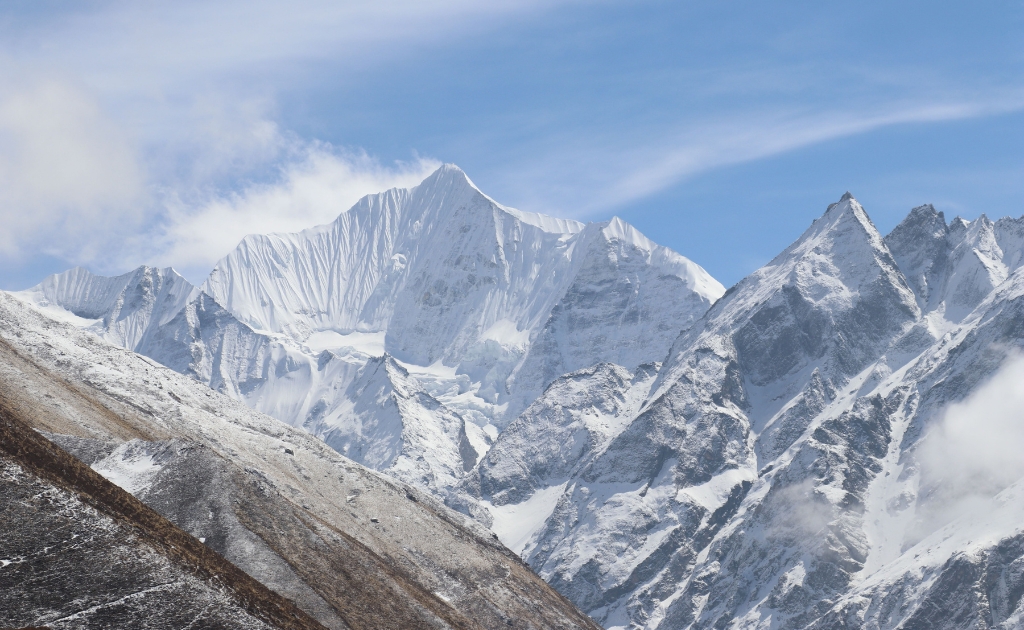
Winter (December to February) transforms Langtang Valley into a peaceful, snow-covered paradise. Daytime temperatures range from 0°C to 6°C, while nights are much colder, especially around Kyanjin Gompa.
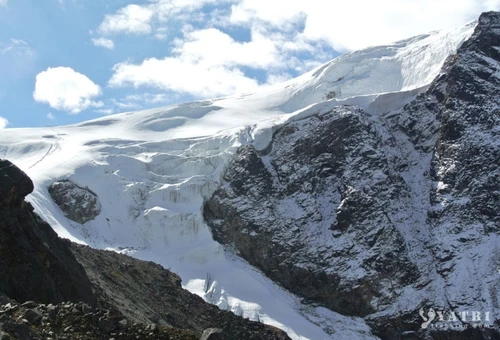
The clear winter skies provide stunning views of Langtang Lirung and surrounding peaks, and the trails are much quieter than in spring or autumn. However, snowfall can make higher trails more challenging, and some teahouses may close during heavy snow.
With warm clothing, proper gear, and an experienced guide, winter is a rewarding season for trekkers seeking solitude and spectacular mountain scenery. Our Langtang Valley Trek is carefully planned to help you enjoy a safe and memorable winter adventure.
Tip: Pack quality winter clothing and a warm sleeping bag to stay comfortable at higher elevations.
How to Pick the Perfect Time for Your Langtang Valley Trek
The best time to visit Langtang Valley depends on your travel style, weather preference, and trekking experience. While spring (March to May) and autumn (September to November) offer the best overall conditions, every season has something unique to offer.
Personal Preferences
Choose spring if you enjoy blooming rhododendrons, mild temperatures, and colorful landscapes. If you prefer crystal-clear mountain views and stable weather, autumn is the ideal season. For quiet trails and snowy scenery, winter is a great choice, while monsoon is best for trekkers who enjoy lush greenery and fewer crowds.
Crowd Tolerance
Spring and autumn are the busiest trekking seasons, with lively teahouses and popular trails. If you prefer a more peaceful experience, consider trekking during winter or early monsoon, when visitor numbers are much lower.
Physical Fitness and Prior Experience
If it's your first Himalayan trek, spring and autumn provide the safest and most comfortable conditions. Experienced trekkers looking for a quieter adventure may enjoy winter or monsoon, provided they are prepared for changing weather and trail conditions.
No matter when you visit, the Langtang Valley Trek rewards you with spectacular mountain views, warm Tamang hospitality, and unforgettable Himalayan landscapes.
Ready to explore Langtang Valley? Discover our Langtang Valley Trek package or combine your adventure with the Gosainkunda Lake Trek for an even more rewarding Himalayan journey. Contact Yatri Trekking today, and let our experienced local team help you plan the perfect trek.
.webp)