Everest Base Camp Trek Distance – A Complete Guide for Trekkers
Ashish Gurung
Last Updated on Apr 20, 2026
The Everest Base Camp Trek is one of the most iconic and popular treks in the world, attracting adventurers from all over the globe. It offers an opportunity to see Mount Everest up close, experience Sherpa culture, and trek through the breathtaking Khumbu region. If you're planning to take this adventure, you’re probably wondering: How long is the trek to Everest Base Camp?
In total, the trek spans approximately 130 kilometers (80 miles) round-trip. However, the real challenge of the trek isn't just the distance but the altitude and mountain terrain. You'll be trekking over high altitudes with steep ascents and challenging descents. The trek generally takes 12 days, with the addition of acclimatization days, which are essential to adjusting to the elevation.
This blog will break down each day’s distance, the walking times, and what you can expect on each part of the trek.
Table of Contents
Everest Base Camp Trek Distance – Detailed Day-by-Day Breakdown
Day
Route
Walking Duration
Distance (Approx.)
Highlights / Notes
Day 1
Lukla → Phakding
3–4 hours
8.2 km
Begin your Everest Base Camp trek from Lukla. Gentle trails along the Dudh Koshi River, small Sherpa villages, and scenic suspension bridges set the tone for the adventure.
Day 2
Phakding → Namche Bazaar
6–7 hours
12 km
Ascend gradually through pine forests and cross multiple rivers. Arrive at Namche Bazaar, the Sherpa trading hub, perfect for trekking supplies and acclimatization.
Day 3
Acclimatization in Namche Bazaar
4–5 hours
5.4 km
Explore short hikes to Tengboche Monastery or Khumjung village to adjust to altitude. Enjoy local culture and stunning Himalayan views.
Day 4
Namche Bazaar → Tengboche
5–6 hours
10.5 km
Trek through rhododendron and pine forests, visit Tengboche Monastery, and enjoy panoramic vistas of Ama Dablam, Everest, and Nuptse.
Day 5
Tengboche → Dingboche
6–7 hours
11.5 km
Steady ascent through alpine valleys with views of Lhotse and Island Peak. Dingboche offers a key acclimatization stop in the Khumbu region.
Day 6
Acclimatization in Dingboche
5–6 hours
5.1 km
Short hikes to Nangkar Tshang help your body adjust to high altitude. Ideal day for photography and exploring the surrounding Himalayas.
Day 7
Dingboche → Lobuche
5–6 hours
8 km
Rocky trails and open landscapes lead to Lobuche, the last village before Everest Base Camp. Views of Pumori and Khumbutse are spectacular.
Day 8
Lobuche → Everest Base Camp → Gorakshep
8–9 hours
11.7 km
The most iconic day! Hike to Everest Base Camp and explore the Khumbu Glacier. Overnight stay in Gorakshep for summit-ready rest.
Day 9
Kala Patthar → Pheriche
8–9 hours
15.2 km
Pre-dawn hike to Kala Patthar for the best sunrise views of Everest. Descend via Lobuche and Dingboche to Pheriche.
Day 10
Pheriche → Namche Bazaar
7–8 hours
19.5 km
Long descent through Dingboche, Tengboche, and scenic forested trails. Reflect on your Everest Base Camp trek experience.
Day 11
Namche Bazaar → Lukla
8–9 hours
20 km
Final day of trekking through Sherpa villages back to Lukla. Celebrate completing the iconic journey and prepare for your flight to Kathmandu.
Day 1: Arrival in Lukla and Trek to Phakding – 8.2 km
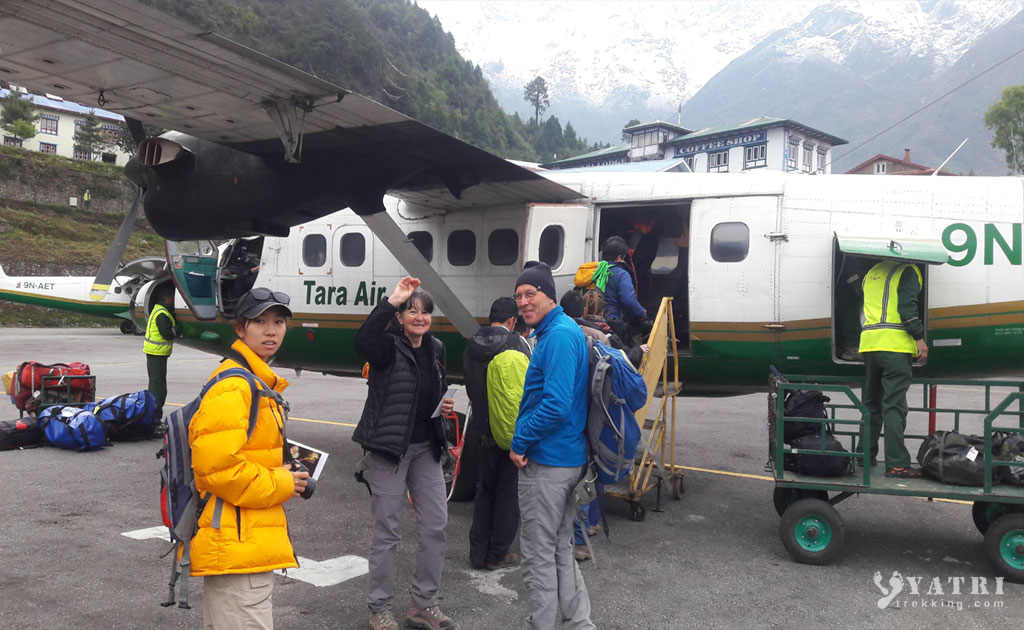
Lukla Airport, the thrilling gateway to the Everest Base Camp trek
Your Everest Base Camp trek adventure officially begins with a breathtaking flight from Kathmandu to Lukla, often described as one of the most scenic and thrilling flights in the world. As the small aircraft navigates through the towering Himalayan peaks, you’ll get your first glimpse of the majestic Khumbu region. Upon landing in Lukla, trekkers are greeted by a lively airstrip and the charm of this small mountain town, which serves as the gateway to the Everest trail.
The first leg of the trek from Lukla to Phakding covers approximately 8.2 kilometers and typically takes 3 to 4 hours to complete. This section is considered an easy introduction to the trail, featuring mostly flat terrain with gentle uphill slopes. Walking through dense pine and rhododendron forests, you’ll hear the soothing sound of the Dudh Koshi River flowing alongside the trail. These serene surroundings allow your body to begin adjusting to the higher altitudes while giving you a chance to soak in the natural beauty of the Himalayas.
Along the way, you’ll pass small Sherpa villages, where prayer flags flutter in the wind and stone mani walls reflect the region’s rich spiritual culture. These villages offer a glimpse into the daily lives of the local people and their centuries-old traditions. Phakding itself is a charming stopover with basic teahouses and lodges, providing a perfect first night on the trek. Staying here allows you to rest, enjoy your first taste of Sherpa hospitality, and prepare for the more challenging climbs ahead.
Day 2: Phakding to Namche Bazaar – 12 km
Day 2 of your Everest Base Camp trek introduces a bit more challenge as you leave the tranquil village of Phakding and begin the climb towards Namche Bazaar, covering approximately 12 kilometers in 6 to 7 hours. The trail gradually ascends, winding through scenic Sherpa villages and dense forests filled with rhododendron, pine, and juniper trees. Along the way, you’ll cross several suspension bridges spanning the Dudh Koshi River, offering both excitement and spectacular photo opportunities.
As you gain elevation, the magnificent peaks of the Khumbu region slowly come into view. On clear days, the towering summit of Mount Everest starts to peek from behind other Himalayan giants, creating unforgettable vistas that motivate trekkers along the climb. The final section to Namche involves a steeper ascent, so pacing yourself and taking short breaks is essential for both energy and altitude acclimatization.
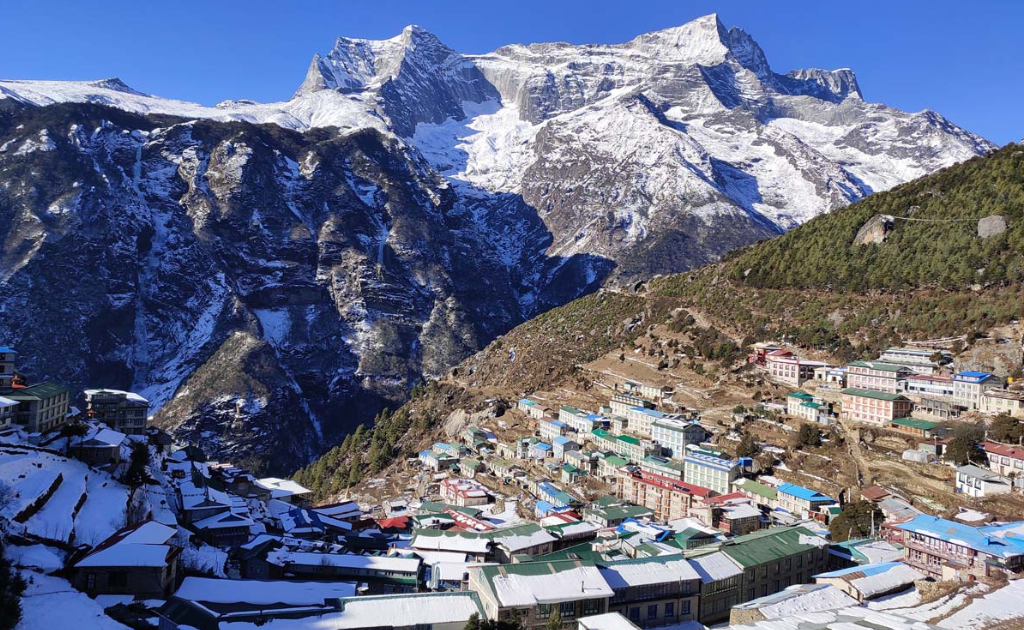
Namche Bazaar, often called the Sherpa capital, is the heart of the Khumbu region. This bustling village offers a variety of shops, restaurants, internet cafés, and even some basic modern amenities, making it a welcome stop for trekkers. Beyond its practical offerings, Namche provides panoramic views of surrounding peaks such as Ama Dablam, Thamserku, and Kongde Ri, making it a favorite spot for photography and relaxation. At this altitude, you may notice your breathing is slightly more labored, so staying hydrated and moving at a comfortable pace is crucial.
Day 3: Acclimatization Day in Namche Bazaar – 5.4 km
Namche Bazaar, the vibrant Sherpa hub and key acclimatization stop
Day 3 of your Everest Base Camp trek is a vital acclimatization day, designed to help your body adjust to higher altitudes while still keeping you active. Even though you’ll remain based in Namche Bazaar, the largest town in the Khumbu region, the day is far from a full rest day. Instead, trekkers embark on a short acclimatization hike, which is essential for preventing altitude sickness and preparing for the more strenuous days ahead.
One of the most popular hikes is to the Everest View Hotel, situated at an elevation of 3,880 meters. This gentle trail covers approximately 5.4 kilometers and usually takes 4 to 5 hours round-trip, allowing you to move at a comfortable pace while enjoying the majestic Himalayan scenery. From the hotel and surrounding viewpoints, you’ll be rewarded with panoramic vistas of Mount Everest, Lhotse, Ama Dablam, and Thamserku, making it a photographer’s paradise and a moment to soak in the grandeur of the Khumbu region.
The hike is intentionally moderate, allowing your body to adapt to the thin air while still giving you a sense of accomplishment. This day is crucial because proper altitude acclimatization reduces the risk of altitude sickness in the days ahead, especially as you ascend to higher elevations like Dingboche and Lobuche. Walking moderately, drinking plenty of water, and maintaining a steady pace are key factors to make the most of this acclimatization day.
Day 4: Namche Bazaar to Tengboche – 10.5 km
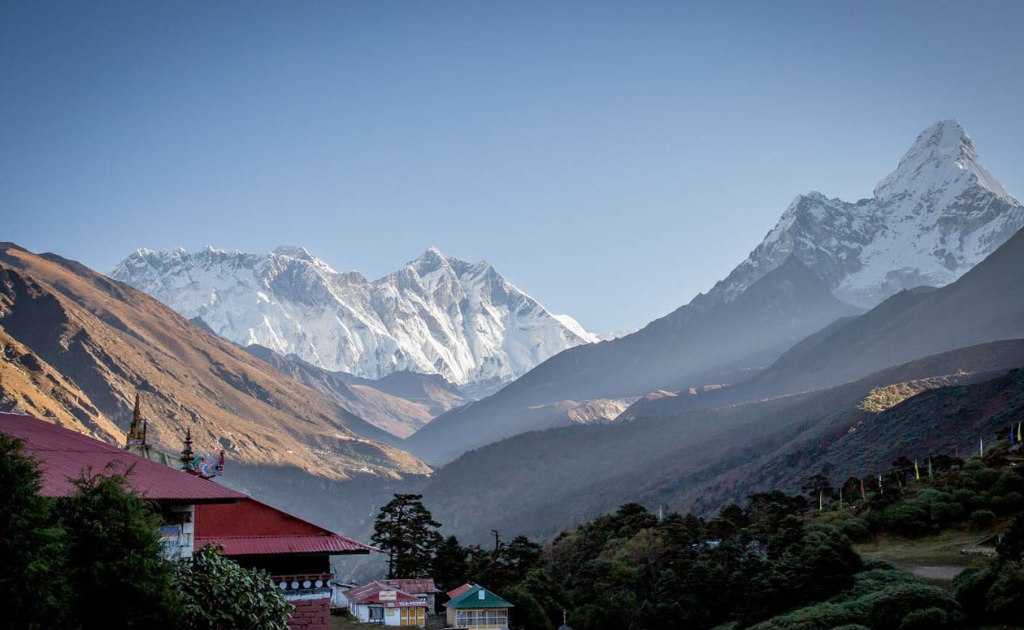
Tengboche Monastery offering spiritual experience and panoramic Himalayan views
Day 4 of your Everest Base Camp trek takes you from Namche Bazaar to the charming village of Tengboche, covering a distance of approximately 10.5 kilometers in 5 to 6 hours. This section of the trek is relatively moderate but involves a gradual ascent, allowing your body to continue adapting to the higher altitudes of the Khumbu region.
The trail winds through dense forests of pine, fir, and rhododendron, offering both shade and spectacular natural scenery. Along the way, you’ll pass quaint Sherpa villages, where stone houses adorned with prayer flags reflect the region’s rich cultural heritage. You’ll also cross several suspension bridges over the Dudh Koshi River, providing thrilling moments and fantastic photo opportunities.
One of the highlights of this day is the visit to Tengboche Monastery, perched elegantly on a hilltop. This serene Buddhist monastery is one of the most important cultural and spiritual centers in the Khumbu region. It offers panoramic views of iconic peaks such as Ama Dablam, Nuptse, and Everest, making it a perfect spot for meditation, reflection, and photography. The monastery also provides insight into the traditions and daily lives of the Sherpa people, enriching your trekking experience with a deep cultural dimension.
After reaching Tengboche, trekkers have time to rest and enjoy the tranquil surroundings, listen to the sounds of fluttering prayer flags, and admire the breathtaking Himalayan vistas. It’s also a great opportunity to acclimatize further, preparing your body for the more demanding climbs to Dingboche and Lobuche in the coming days.
Day 5: Tengboche to Dingboche – 11.5 km
Dingboche, a peaceful Himalayan village in the Khumbu region, offers stunning mountain views and serves as a key acclimatization stop on the Everest Base Camp trek.
On Day 5 of your Everest Base Camp trek, the journey continues as you ascend from Tengboche to the serene village of Dingboche, situated at an altitude of 4,410 meters. This stretch covers approximately 11.5 kilometers and typically takes 6 to 7 hours, making it a moderately challenging day as you gradually gain elevation in the Khumbu region.
As you trek higher, the landscape begins to change dramatically. Dense forests give way to more rugged and rocky terrain, with fewer trees and wider open valleys. The trail offers some of the most breathtaking Himalayan views, including Ama Dablam, Makalu, and Island Peak, creating perfect opportunities for photography and moments of awe along the way. The air becomes thinner, and you may start to notice the effects of high-altitude trekking, so pacing yourself and monitoring your breathing are essential.
Dingboche is a quieter, peaceful Sherpa village compared to bustling Namche Bazaar, but it remains a vital stop on the route to Everest Base Camp. The village is known for its teahouses, lodges, and hospitable local families who provide hearty meals and warm accommodations. Spending the night here allows your body to acclimatize further, preparing for the upcoming higher-altitude hikes to Lobuche and Gorakshep.
Tip: Continue walking slowly, stay hydrated, and eat energy-rich meals to maintain stamina. Short walks around Dingboche for further acclimatization are recommended. For detailed trekking advice and tips on high-altitude preparation, see Everest Base Camp trekking guide and World Health Organization: High-altitude travel.
Day 6: Acclimatization Day in Dingboche – 5.1 km
Dingboche village offers stunning views of Mount Everest and surrounding Himalayan peaks, making it a popular acclimatization stop on the Everest Base Camp trek.
Day 6 of your Everest Base Camp trek is another essential acclimatization day, designed to help your body adjust to the increasing altitude before tackling higher elevations. Based in Dingboche, you’ll embark on a short hike of approximately 5.1 kilometers to Nangkartshang Peak or a nearby ridge, which typically takes 5 to 6 hours to complete.
Although this hike is physically moderate, it plays a crucial role in high-altitude adaptation, allowing your body to cope with thinner air and reduced oxygen levels. The trail offers a mix of rocky paths and open alpine landscapes, giving trekkers the opportunity to explore the serene surroundings and enjoy the solitude of the Himalayan mountains.
From the summit of Nangkartshang Peak, you’ll be rewarded with panoramic views of iconic peaks such as Mount Everest, Lhotse, Island Peak, and Ama Dablam. These vistas provide perfect opportunities for photography and moments of reflection, reminding you why the Everest Base Camp trek is one of the most breathtaking journeys in the world.
During the hike, it’s important to maintain a slow and steady pace, stay hydrated, and take breaks as needed. This careful approach ensures that your body continues to acclimatize effectively, reducing the risk of altitude sickness in the upcoming days when you ascend to Lobuche and Gorakshep.
Day 7: Dingboche to Lobuche – 8 km
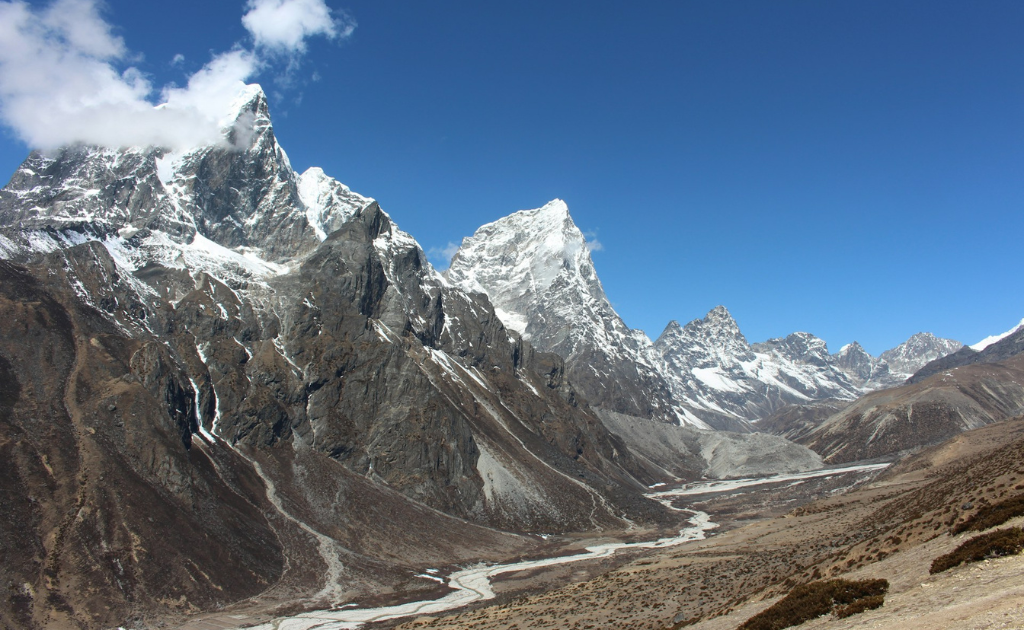
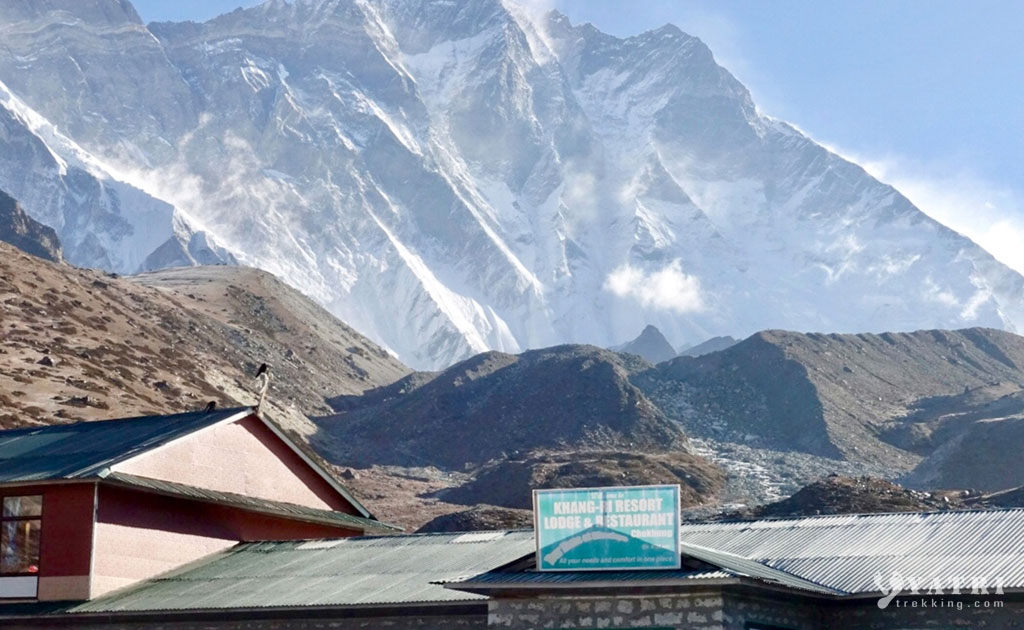
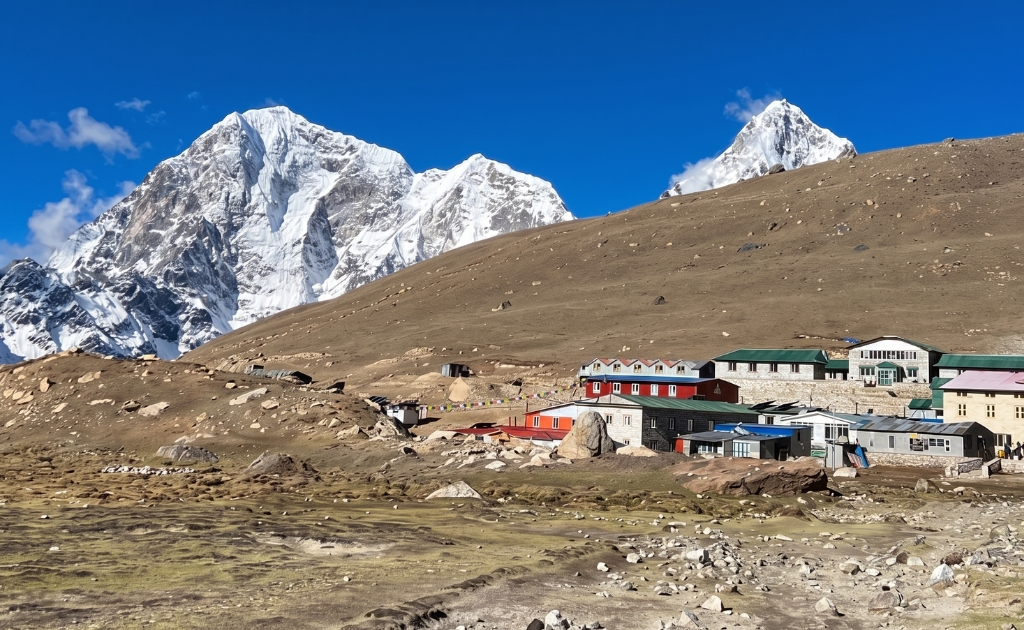
Lobuche Village a quiet Himalayan stop just before reaching Everest Base Camp, surrounded by dramatic mountain views.
On Day 7 of your Everest Base Camp trek, the journey continues as you leave Dingboche and ascend towards Lobuche, a small village located at an altitude of 4,940 meters. This section covers approximately 8 kilometers and typically takes 5 to 6 hours, offering a moderately challenging trek as the terrain becomes more rugged and the air thinner.
The trail gradually climbs through a rocky, high-altitude landscape, with sparse vegetation and open valleys that provide stunning views of surrounding peaks, including Pumori, Nuptse, and the Khumbu Glacier. As you move higher, the landscape transforms into barren terrain and glacial fields, giving trekkers a taste of the dramatic environment that defines the Everest region. These open vistas are perfect for photography and appreciating the raw beauty of the Himalayas.
Reaching Lobuche is a significant milestone on the trek, marking the final village before the climb to Everest Base Camp. The village is small and remote, offering a peaceful environment to rest and recover. Staying in Lobuche allows trekkers to acclimatize further and prepare for the challenging ascent to Gorakshep and the iconic base camp the following day.
Day 8: Lobuche to Everest Base Camp and Back to Gorakshep – 11.7 km
Day 8 of your Everest Base Camp trek is undoubtedly the most thrilling and memorable day of the journey. This stage takes you from Lobuche to the iconic Everest Base Camp and then back to Gorakshep, covering approximately 11.7 kilometers over 8 to 9 hours. It’s a long and physically demanding day, but the experience of standing at the base of the world’s highest peak is truly incomparable.
The trek to Everest Base Camp involves gradual ascents over rocky trails, moraines, and glacial fields, with the thin high-altitude air adding to the challenge. At 5,364 meters, you’ll find yourself surrounded by the spectacular Khumbu Glacier, dramatic snow-covered peaks, and awe-inspiring Himalayan scenery. The sense of achievement and the panoramic views of Mount Everest, Nuptse, and Lhotse make every step worth the effort. This is also the perfect opportunity to capture photographs and soak in the surreal atmosphere of the Everest region.
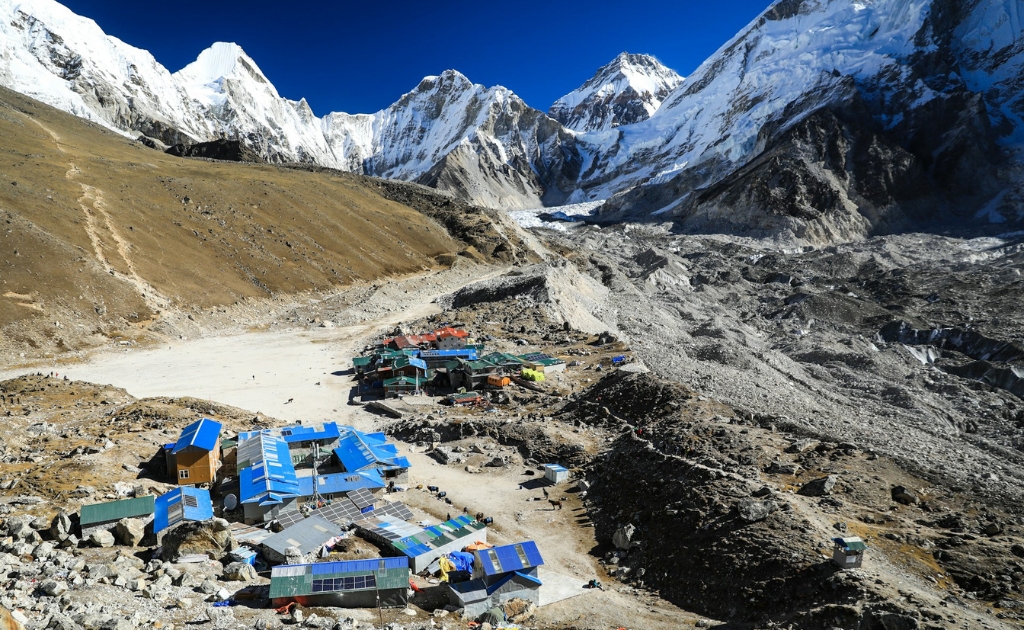
Gorak Shep, the last settlement before Everest Base Camp, sits surrounded by rugged terrain and हिमालयन peaks, offering a raw and unforgettable high-altitude experience.
After spending time at Base Camp, trekkers return to Gorakshep, a small settlement nearby, for an overnight stay. Gorakshep provides basic lodges and teahouses, offering the chance to rest and recover for the next day’s climb to Kala Patthar, famous for sunrise views over Everest. While this day is long and physically taxing, it remains one of the most unforgettable experiences for anyone trekking in the Himalayas.
Day 9: Sunrise at Kala Patthar and Descent to Pheriche – 15.2 km
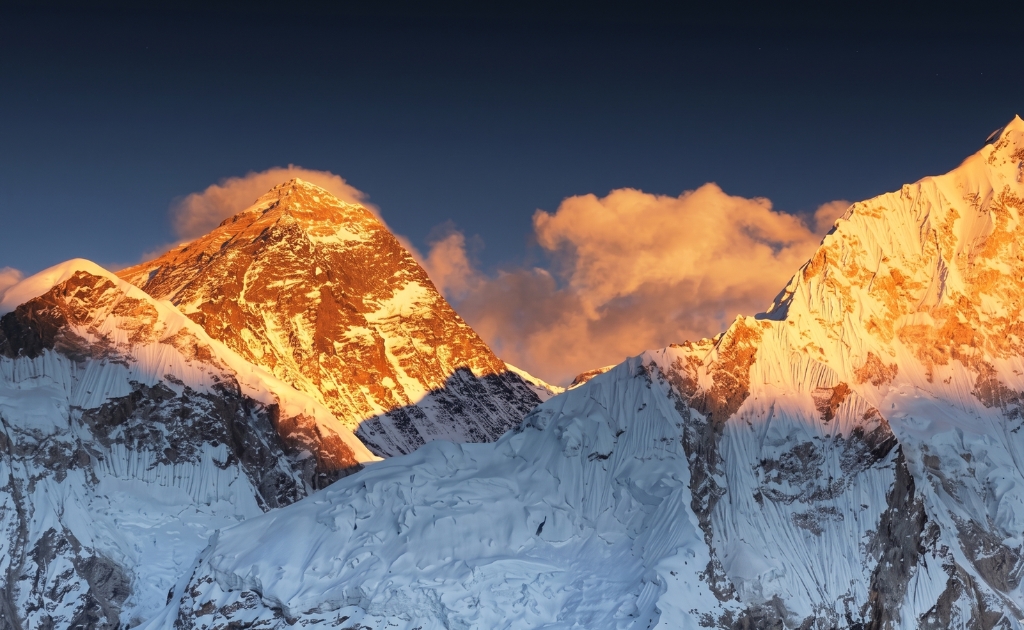
Golden sunrise over Mount Everest from Kala Patthar, one of the most breathtaking moments on the Everest Base Camp trek.
Day 9 of your Everest Base Camp trek begins with an early morning hike to Kala Patthar, one of the most iconic viewpoints in the Khumbu region. Standing at approximately 5,545 meters, Kala Patthar is renowned for offering panoramic views of Mount Everest, Lhotse, Nuptse, and Pumori, making it the perfect location to witness a Himalayan sunrise. The golden light illuminating the snow-capped peaks creates breathtaking photo opportunities and a moment of reflection on your journey so far.
After soaking in the views and capturing memorable photographs, you’ll begin the descent to Pheriche, covering a distance of about 15.2 kilometers over 8 to 9 hours. The trek back allows you to retrace your steps through the Khumbu’s high-altitude terrain, passing rocky valleys, glacial moraines, and scattered Sherpa villages. Along the way, the landscape transforms as you descend, offering new perspectives on the mountains you climbed past on the way up.
Descending to Pheriche provides an opportunity to relax and recover after the high-altitude exertion of Kala Patthar. The village itself is a peaceful settlement with teahouses and lodges, perfect for rest and acclimatization before continuing the journey toward Namche Bazaar. This day is not just a physical descent but also a chance to reflect on the incredible achievement of reaching the Everest region’s highest viewpoints and to appreciate the grandeur of the Himalayas.
Day 10: Pheriche to Namche Bazaar – 19.5 km
Day 10 of your Everest Base Camp trek marks the beginning of your return journey as you descend from Pheriche back to the bustling town of Namche Bazaar. Covering approximately 19.5 kilometers over 7 to 8 hours, this day is long but offers a rewarding perspective of the Khumbu region as you retrace your steps through its dramatic landscapes.
As you descend, the air becomes noticeably easier to breathe compared to the high-altitude villages of Gorakshep and Lobuche, making the trek feel more comfortable physically. The trail passes through familiar Sherpa villages, forested slopes, and scenic river crossings along the Dudh Koshi River, providing a chance to reflect on the incredible journey you’ve completed so far. The descent allows trekkers to appreciate the mountains from a different angle, noticing details and views that may have been missed on the way up.
Namche Bazaar, the Sherpa capital, offers a welcome respite with its variety of shops, restaurants, and lodges. It’s a perfect opportunity to relax, explore the local culture, and enjoy the stunning panoramic views of peaks such as Ama Dablam, Thamserku, and Kongde Ri. Spending the night here allows your body to recover from the trek and prepare for the final leg of your journey back to Lukla.
Day 11: Namche Bazaar to Lukla – 20 km
The final day of your Everest Base Camp trek brings you from Namche Bazaar back to Lukla, completing an unforgettable journey through the Khumbu region. Covering a distance of approximately 20 kilometers over 8 to 9 hours, this day is primarily a descent, allowing your legs to recover gradually while taking in the scenic beauty one last time.
As you follow the trail through familiar Sherpa villages, forested slopes, and suspension bridges over the Dudh Koshi River, you’ll have the chance to reflect on the incredible experiences of the past eleven days. From the high-altitude vistas at Kala Patthar to the spiritual serenity of Tengboche Monastery, every step of the trek has offered a unique glimpse into both the Himalayan landscapes and the rich Sherpa culture.
Returning to Lukla is a moment of triumph and celebration. This small town, known for its iconic airport and lively trekking hub, provides the perfect conclusion to your adventure. You can relax in local lodges, share stories with fellow trekkers, and prepare for your scenic flight back to Kathmandu, marking the end of a journey that many describe as life-changing.
Tip: Take your time descending to Lukla, enjoy the final views of the surrounding peaks, and capture a few last photos. For guidance on Lukla flights and travel logistics, see Yatri Trekking Everest Base Camp guide and Civil Aviation Authority of Nepal for the latest flight information.
Conclusion
The Everest Base Camp Trek is a physically demanding but incredibly rewarding adventure. With 130 kilometers of trekking, it’s a journey that offers stunning views, cultural experiences, and the thrill of reaching the base of the highest mountain in the world. At Yatri Trekking, we’re here to help you make the most of your trekking adventure. Get in touch with us to start planning your dream trek to Everest Base Camp today!

.webp)