Overview of the Manaslu Circuit Trek
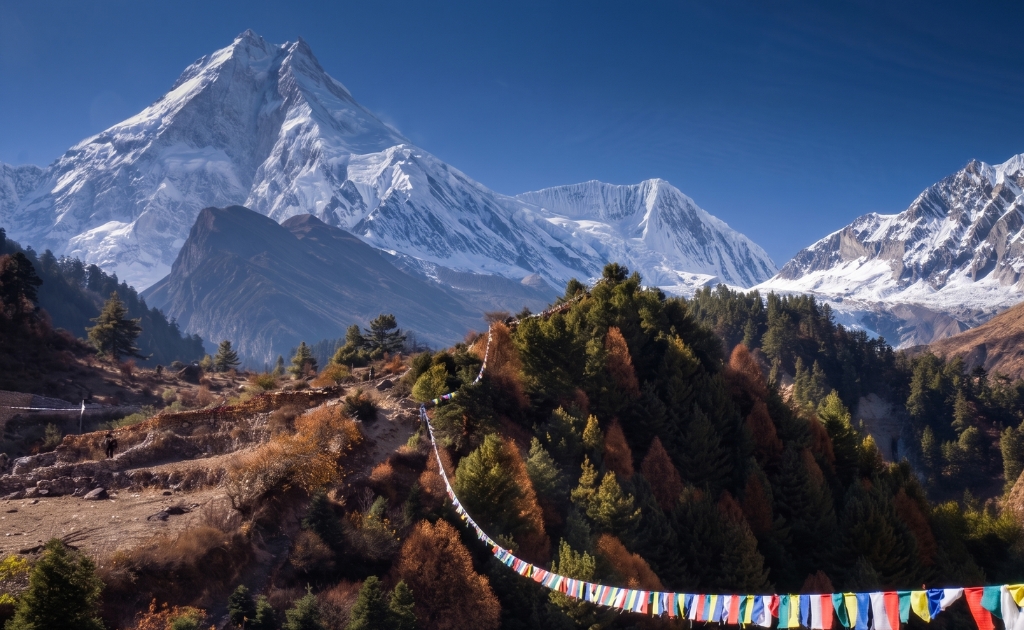
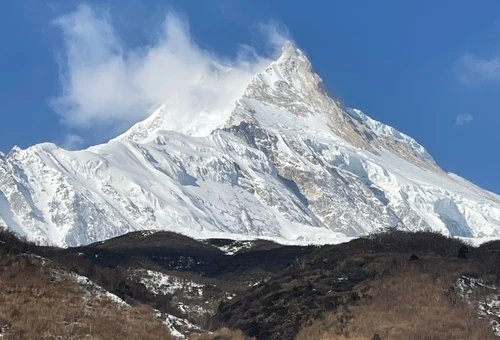
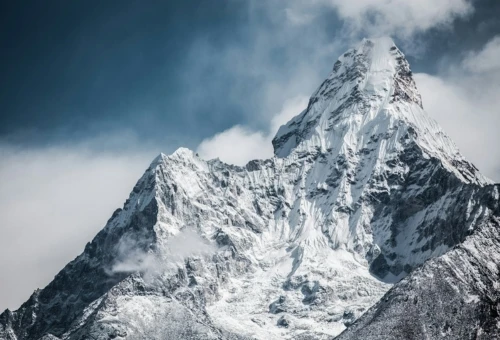
Tucked away in the remote folds of the Nepalese Himalayas, the Manaslu Circuit Trek is often described as one of Nepal’s most rewarding yet less-traveled adventures. This remarkable journey circles Mt. Manaslu (8,163m), the eighth-highest peak in the world, offering trekkers a perfect mix of raw natural beauty, cultural encounters, and challenging high-altitude trekking. Unlike the popular Everest Base Camp Trek or the Annapurna Circuit Trek, the Manaslu Circuit remains relatively peaceful, making it an excellent choice for those who seek solitude, authenticity, and an off-the-beaten-path experience.
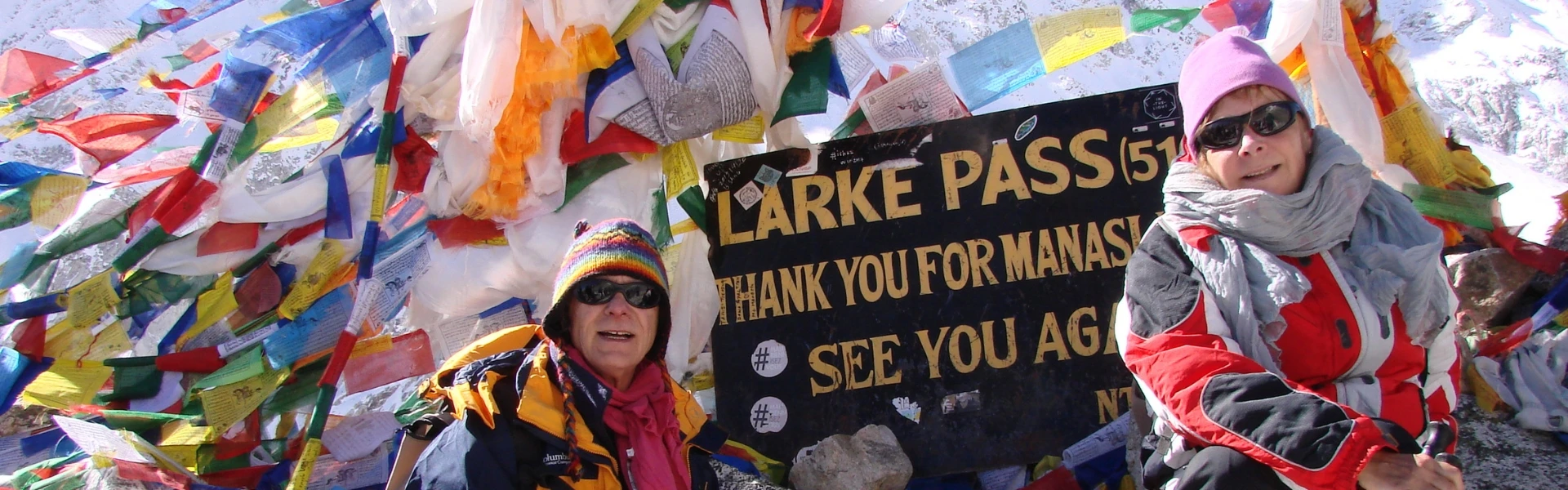
The trail winds through lush subtropical forests, narrow gorges carved by the Budhi Gandaki River, and high alpine meadows before reaching traditional Tibetan-influenced villages such as Lho, Sama Gaun, and Samdo. These villages provide a fascinating look into Himalayan life, where ancient monasteries, prayer flags, and yak pastures paint a timeless picture of Tibetan Buddhist culture. One of the trek’s highlights is the crossing of the Larkya La Pass (5,160m), a breathtaking vantage point that rewards trekkers with panoramic views of Himlung Himal, Cheo Himal, and the majestic Manaslu massif itself.
Since the trail lies within the Manaslu Conservation Area, it offers a unique chance to spot Himalayan wildlife such as Himalayan tahr, blue sheep, and even elusive snow leopards. Beyond nature, the trek immerses you in a world untouched by modern tourism, where hospitality is genuine and traditions remain deeply rooted. However, because it falls under Nepal’s restricted trekking zones, a special permit and a licensed trekking guide are mandatory. At Yatri Trekking, we take care of all permits, logistics, and professional guidance, ensuring your journey is smooth, safe, and unforgettable.
For trekkers looking for a true Himalayan adventure, the Manaslu Circuit Trek is a hidden gem. It combines fewer crowds, dramatic landscapes, and deep cultural insights, making it one of the best alternatives to Nepal’s busier trails. If you want to experience the Himalayas in their purest form, far from the bustle of mainstream trekking routes, the Manaslu Circuit is waiting to be discovered.
How to Approach the Manaslu Circuit Trek
Reaching the starting point of the Manaslu Circuit Trek is an adventure of its own, giving trekkers an early taste of the remoteness and raw beauty that lies ahead. The journey begins with a long but scenic drive from Kathmandu to Soti Khola, usually taking 8 to 10 hours depending on road conditions. While the ride can be bumpy at times, it offers glimpses of terraced fields, rural villages, and winding rivers that set the tone for the trek. Soti Khola serves as the official trailhead, tucked into a lush subtropical valley where the Budhi Gandaki River cuts through dense jungle and suspension bridges sway above roaring waters.
From here, the trail gradually ascends, unfolding a striking mix of landscapes. The lower sections pass through rice terraces in Machha Khola, stone-paved villages such as Jagat, and narrow canyons before climbing into alpine meadows near Lho. As trekkers gain elevation, the scenery becomes more dramatic, with snow-capped giants looming above and Tibetan-influenced settlements adding a cultural dimension. Villages like Sama Gaun and Samdo are highlights of the journey, where prayer flags, monasteries, and yak pastures give you a real sense of Himalayan tradition. For many, spending an extra acclimatization day in Sama Gaun and visiting Pungen Gompa is a memorable side trip that also helps the body adjust to the altitude.
The most challenging and rewarding part of the trek is the Larkya La Pass (5,160m). Crossing this high mountain pass requires effort and determination, but the reward is extraordinary a panorama of Himlung Himal, Cheo Himal, Kang Guru, and of course the towering Mount Manaslu itself. The descent from the pass eventually leads trekkers to Dharapani, where the route conveniently connects with the famous Annapurna Circuit Trek. From Dharapani, trekkers can either continue their Himalayan adventure toward the Annapurna region or drive back to Kathmandu.
In total, the Manaslu Circuit Trek typically takes 14 to 18 days, depending on acclimatization, pace, and optional side hikes. At Yatri Trekking, we recommend following a well-paced itinerary that allows for proper altitude adjustment, cultural immersion, and rest days in key villages like Sama Gaun. Because this is a restricted area trek, traveling with a licensed guide is mandatory, and having experienced porters is strongly advised. Not only do they ensure safety and smooth logistics, but they also provide invaluable cultural insights along the way.
For trekkers seeking a remote, challenging, and culturally rich trekking experience in Nepal, the Manaslu Circuit route offers a perfect balance of wilderness, high mountain adventure, and authentic village life making it a truly unforgettable journey.
Iconic Viewpoints Along the Manaslu Circuit Trek
The Manaslu Circuit Trek is packed with scenic beauty at every turn, but there are a few iconic viewpoints and side trips that truly define this Himalayan journey. These spots offer not just jaw-dropping views, but also unique trekking experiences that make this route stand out among Nepal’s top trekking trails.
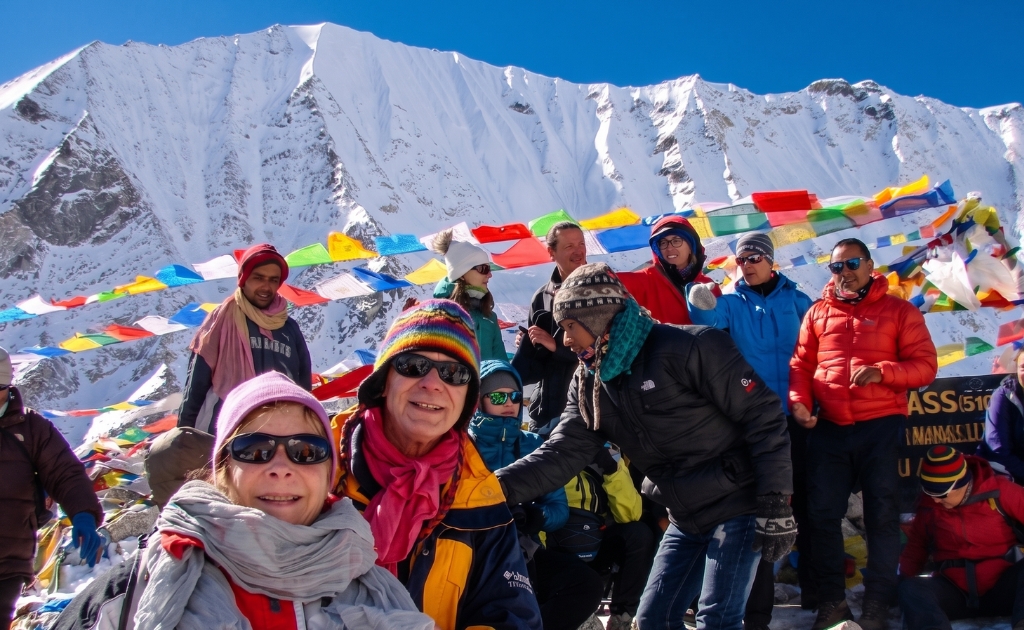
The crown jewel is Larkya La Pass (5,106m) the highest point of the trek and one of the most dramatic mountain passes in the Himalayas. Standing here feels like reaching the edge of the world, with panoramic views of Mt. Manaslu, Cheo Himal, Himlung Himal, Kang Guru, and even glimpses of Annapurna II on clear days. It’s a long and challenging ascent, but the visual payoff is immense and unforgettable.
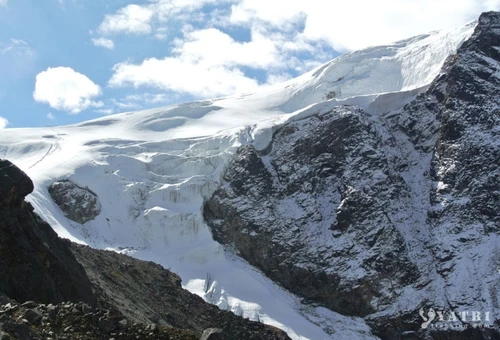
Another major highlight is the high-altitude village of Sama Gaun, nestled beneath the towering north face of Mt. Manaslu. This traditional Tibetan-influenced settlement is more than just a resting point it's a gateway to some of the best side hikes in the Manaslu region. One popular short trek is to Birendra Lake, a glacial lake known for its surreal turquoise waters and peaceful setting. Just a bit further, the Manaslu Base Camp hike offers a more demanding but incredibly rewarding climb, delivering close-up views of icefalls, rock walls, and the glacier-fed landscape of Mt. Manaslu (8,163m) itself.
Both these side hikes are excellent for acclimatization and perfect for adding adventure without straying too far from the main trail. At Yatri Trekking, we highly recommend including at least one of these detours in your Manaslu Circuit Trek itinerary to make the most of the experience.
From towering peaks to hidden alpine lakes, the iconic viewpoints along the Manaslu Circuit offer moments of pure wonder and natural drama. These aren’t just scenic stops they’re experiences that rival the best vistas on treks like Everest Base Camp or Annapurna, but with fewer crowds and a more personal connection to the mountains.
Cultural Experiences Along the Way
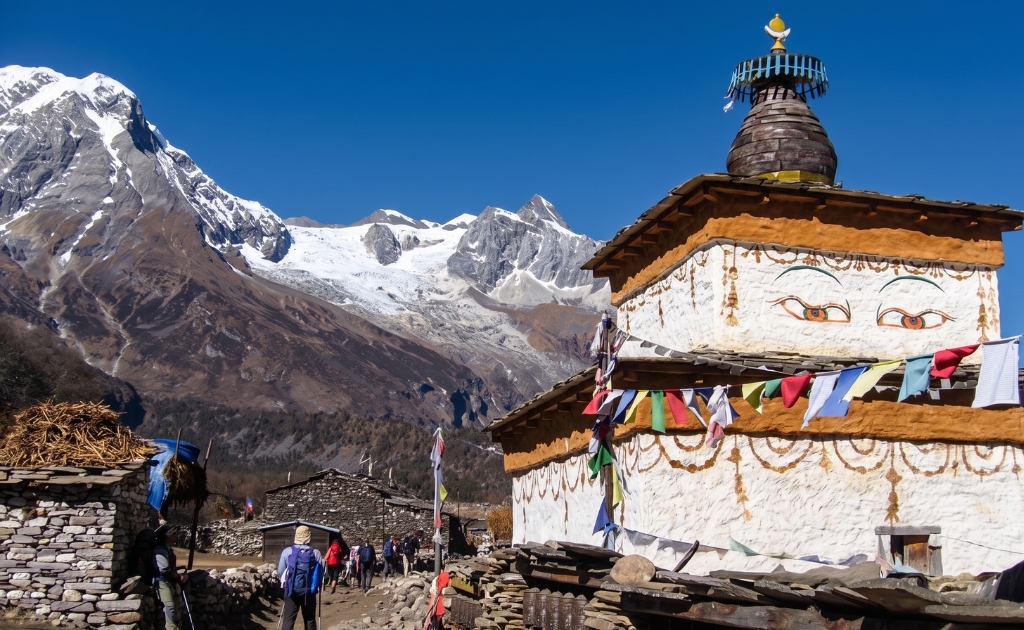
The Manaslu Circuit Trek is more than just a journey through towering peaks it's a passage into the spiritual and cultural heart of the Himalayas. The remote trails are lined with chortens, mani walls, and strings of colorful prayer flags that whisper blessings in the wind. As you walk through these ancient paths, you’re not just trekking you’re stepping into the rhythms of Tibetan Buddhist life that have remained largely unchanged for centuries.
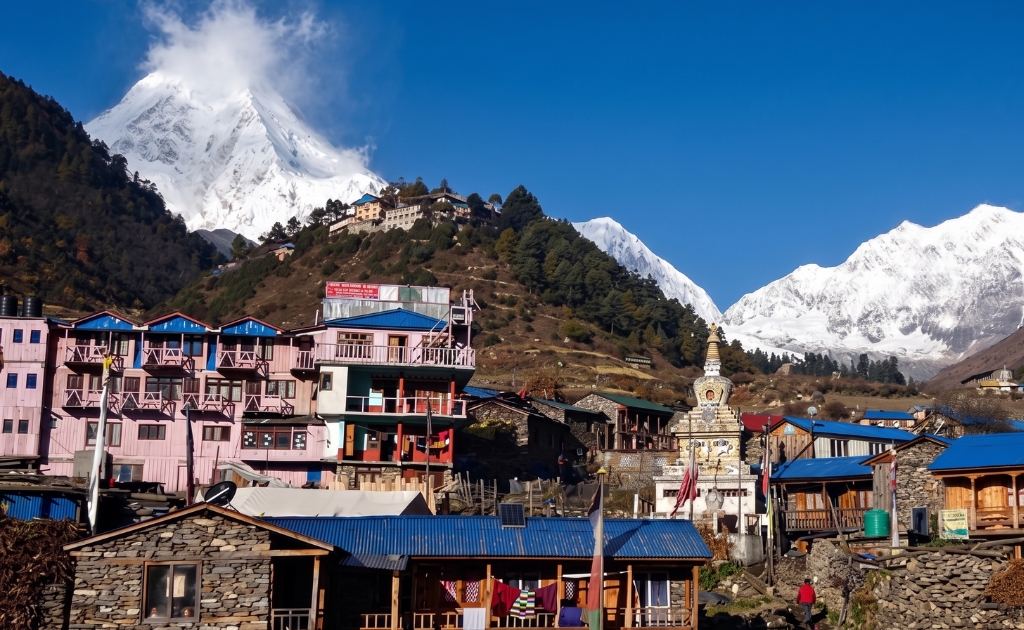
One of the most culturally rich stops on the trail is Lho village, home to the beautifully situated Ribung Monastery. Perched on a ridge with panoramic views of Mt. Manaslu, this monastery is a peaceful place to pause and reflect. You’ll often hear the deep hum of monks chanting or see locals spinning prayer wheels as they walk clockwise around sacred sites a practice rooted in deep spiritual meaning.
Further along, the highland village of Samagaun offers more than just acclimatization it provides a window into Tibetan-influenced Himalayan culture, complete with traditional stone houses, yak herding, and intricate religious murals inside village gompas (monasteries). These places aren’t just “stops” they are living museums of culture, where the values of community, spirituality, and simplicity still guide daily life.
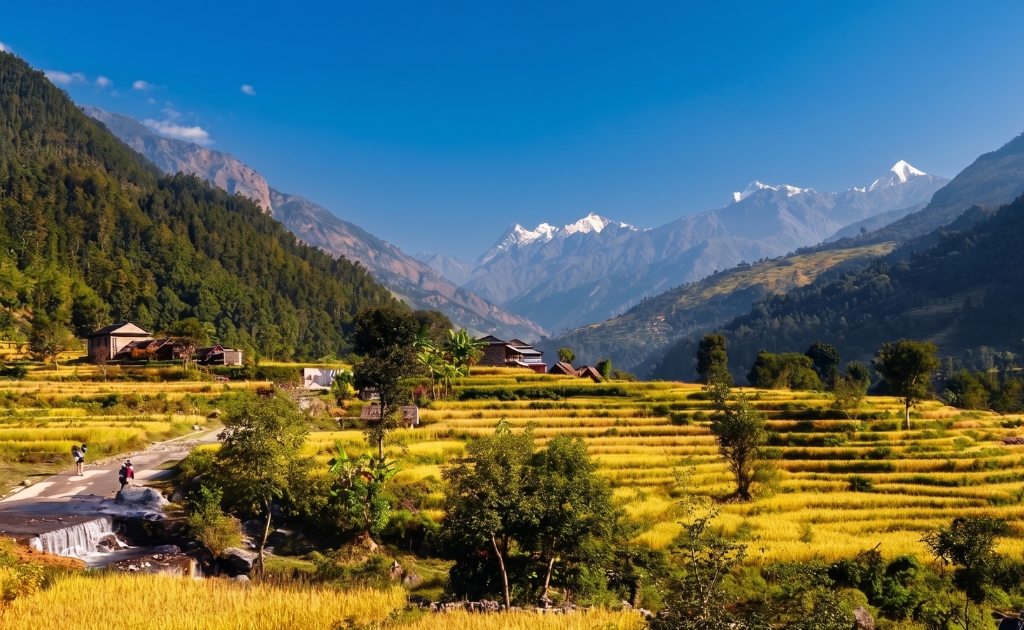
At Yatri Trekking, we offer custom routes that include culturally immersive experiences, like visiting the ancestral Gurung village of Laprak. This lesser-known detour takes you through a vibrant community known for its distinctive Gurung architecture, rich oral traditions, and heartfelt hospitality. It’s a beautiful contrast to the Tibetan villages higher up the trail, giving you a fuller understanding of the ethnic diversity of the Manaslu region.
Unlike more commercialized routes, the cultural experiences on the Manaslu Circuit remain raw and authentic. You won’t find touristy performances here instead, you’ll be welcomed with a warm smile, a cup of butter tea, and a genuine glimpse into life shaped by nature, faith, and resilience.
Whether you’re a trekker who values spiritual connections, cultural authenticity, or just the joy of meaningful human encounters, the Manaslu Circuit Trek offers experiences that stay with you long after the mountains fade from view.
Ethnic Groups and Local Communities of the Manaslu Region
One of the most enriching aspects of the Manaslu Circuit Trek is the opportunity to connect with the diverse ethnic groups that inhabit this remote part of Nepal. The journey is not only about mountain views and high passes it is equally about discovering the vibrant communities that live in harmony with the Himalayas. From the fertile valleys of the lower hills to the rugged highlands of the Nubri Valley, each village introduces trekkers to unique traditions, languages, and ways of life that add depth to the trek.
In the lower sections of the trail, particularly around Laprak and Barpak, you’ll meet the Gurung people. Known worldwide for their service in the Gurkha regiments, the Gurungs are admired for their bravery, humility, and strong sense of hospitality. Their stone-built houses, terraced farmlands, and communal lifestyle reflect a way of life that has flourished for centuries in the Himalayan foothills. Staying in a Gurung village is a chance to experience warm homestays, taste authentic local cuisine, and learn how these resilient people balance modern challenges with ancestral traditions. At Yatri Trekking, we often include overnight stops in Gurung settlements for trekkers who wish to immerse themselves in the region’s living culture.
As you ascend higher into the Nubri Valley, the cultural landscape shifts dramatically, taking on a distinctly Tibetan Buddhist influence. Villages such as Lho, Sama Gaun, and Samdo are home to the Nubri people, whose traditions trace back to Tibetan ancestry. Here, life is guided by centuries-old customs where spirituality and survival intertwine. Trekkers are welcomed by rows of colorful prayer flags, intricately carved mani walls, and sacred chortens that line the paths. Monasteries, such as the one in Lho village, serve as spiritual and community hubs, where monks chant prayers, perform rituals, and keep alive teachings passed down through generations.
Daily life in these villages is a reflection of resilience and simplicity. Yak herding, barley cultivation, and traditional weaving remain central to survival, while butter tea, a staple of hospitality, often becomes the first introduction for trekkers into local customs. Simple exchanges whether learning a few words of the local dialect, joining a communal meal, or listening to elders share stories transform the trek into more than just a physical journey.
What sets the Manaslu region apart from busier trekking routes like the Everest Base Camp Trek is this rare chance for genuine cultural connection. Far from mass tourism, the people of Manaslu remain deeply rooted in their traditions, offering trekkers an authentic experience of Himalayan life. It is these meaningful interactions sitting in a monastery courtyard, sharing tea with a family, or walking alongside children on their way to school that leave the most lasting impressions.
For those who value cultural immersion as much as mountain landscapes, the Manaslu Circuit Trek provides a truly unforgettable balance of natural beauty and human connection.
How Difficult is the Manaslu Circuit Trek?
The Manaslu Circuit Trek is generally rated as a moderate to challenging trek, making it a perfect choice for adventurous trekkers who want to step away from the busier routes and experience Nepal’s remote wilderness. While it doesn’t require technical climbing skills or mountaineering experience, the trek demands a good level of fitness, endurance, and determination. On average, trekkers spend 6 to 8 hours per day walking, often along rugged trails, steep ascents, rocky paths, and suspension bridges that cross the Budhi Gandaki River.
The most physically demanding part of the journey is undoubtedly the crossing of the Larkya La Pass (5,160m). This high mountain pass requires a long, cold, and energy-intensive day, where altitude, weather conditions, and mental stamina play a big role. Proper acclimatization is essential, which is why at Yatri Trekking we design our Manaslu trekking itineraries to include extra rest days in key acclimatization villages such as Sama Gaun. These rest days allow trekkers to recover, adjust to thinner air, and even explore side trips like Pungen Gompa before attempting the pass.
Unlike more commercialized routes such as the Everest Base Camp Trek or the Annapurna Base Camp Trek, the Manaslu region remains relatively remote. This means fewer trekkers on the trail, but also fewer facilities. Teahouse accommodations are basic, offering simple meals and limited comforts, which adds to the trek’s adventurous spirit. The remoteness also means that carrying proper gear such as quality boots, layered clothing, sleeping bags, and reliable trekking poles is non-negotiable.
Weather can also add to the challenge. In the lower valleys, trekkers may face humid conditions and occasional leeches during the monsoon, while in the high mountains, temperatures can drop well below freezing, especially at night or near the pass. Sudden changes in weather, from snowfall to strong winds, are common in the Himalayas, making preparation and flexibility key.
Despite these challenges, the Manaslu Circuit Trek is considered highly rewarding. The effort is more than compensated by spectacular views of Mount Manaslu (8,163m), encounters with Tibetan-influenced villages, and the serenity of trekking in a less crowded region. With gradual acclimatization, the right mindset, and support from an experienced team of guides and porters, trekkers can successfully complete the circuit and enjoy one of Nepal’s most unforgettable adventures.
For those seeking an authentic Himalayan challenge without the overwhelming crowds of Everest or Annapurna, the Manaslu Circuit Trek difficulty strikes the perfect balance between demanding adventure and deeply fulfilling cultural experience.
Best Time to Do the Manaslu Circuit Trek
Choosing the best time for the Manaslu Circuit Trek is crucial for enjoying safe trails, comfortable weather, and breathtaking Himalayan scenery. Like most high-altitude treks in Nepal, the Manaslu Circuit is best experienced in spring (March to May) and autumn (September to November), when weather conditions are stable and visibility is at its peak. These seasons not only make the challenging Larkya La Pass (5,160m) more manageable but also reward trekkers with stunning views of Mount Manaslu (8,163m) and the surrounding Himalayan peaks.
Spring (March to May):
Spring is a vibrant time to trek in the Manaslu region. The hillsides come alive with blooming rhododendrons, lush greenery, and fresh mountain air. Temperatures are moderate neither too cold nor too hot making long trekking days more comfortable. Clear skies often provide excellent visibility of the mountains, though occasional haze may appear later in May. This season is perfect for trekkers who want to combine cultural immersion with natural beauty.
Autumn (September to November):
Autumn is widely considered the best season for the Manaslu Circuit Trek. The monsoon rains leave the landscape fresh and dust-free, while skies turn crisp and clear, offering the most reliable mountain views. Conditions on the trail are generally dry, which is especially important for safely crossing the high Larkya La Pass. This is also the peak trekking season in Nepal, so while you may encounter more trekkers compared to spring, the Manaslu Circuit still feels far less crowded than routes like the Everest Base Camp Trek or the Annapurna Circuit Trek.
Winter (December to February):
Winter trekking in Manaslu is possible but not recommended for most travelers. Heavy snowfall often blocks the high pass, and temperatures at higher elevations drop well below freezing, making conditions harsh and unpredictable. Only highly experienced trekkers with proper gear should consider this season.
Monsoon (June to August):
The summer monsoon months bring heavy rainfall, slippery trails, and a high risk of landslides in the lower valleys. Leeches and humid conditions can also make trekking uncomfortable. While the landscape is lush and green during this time, visibility is often poor, and the Larkya La Pass may be dangerous to cross.
For the best experience, it is strongly recommended to plan your trek during spring or autumn, when weather and trail conditions are most favorable. At Yatri Trekking, we provide detailed seasonal itineraries and expert advice to help you choose the ideal time based on your preferences and fitness level. You can also explore our Manaslu Circuit Trek itinerary to find practical tips for making the most of your adventure.
Total Duration of the Manaslu Circuit Trek
The Manaslu Circuit Trek duration typically ranges from 14 to 18 days, depending on your trekking pace, chosen itinerary, and interest in side excursions. Unlike shorter treks in Nepal, the Manaslu Circuit requires a more measured approach because of its remote trails and significant altitude gain. Flexibility is a key part of this journey, allowing trekkers to adjust based on fitness levels, weather conditions, and personal goals.
Most itineraries begin with a drive from Kathmandu to Soti Khola, followed by a gradual ascent through terraced farmland, dense forests, and traditional villages. As the trek progresses, the altitude rises steadily, particularly after entering the Nubri Valley. To ensure safety, the route is designed with acclimatization days in critical locations such as Sama Gaun and Samdo. These rest days not only help prevent altitude sickness but also give trekkers the chance to enjoy short side trips. Popular options include a hike to Birendra Lake, a glacial lake near Sama Gaun, or a challenging but rewarding excursion to Manaslu Base Camp. Such side hikes enrich the journey by offering even closer views of Mount Manaslu (8,163m) and the surrounding peaks.
For those who enjoy cultural immersion, spending extra time in Sama Gaun or Samdo provides opportunities to engage with the local Nubri people and explore Tibetan-influenced monasteries, mani walls, and traditional villages. These stops transform the trek from a physical challenge into a cultural experience that feels authentic and unhurried.
On average, a well-paced Manaslu itinerary includes around 14 to 16 trekking days, with additional time allocated for travel between trailheads and Kathmandu. At Yatri Trekking, we customize itineraries based on your preferences whether you prefer a brisk schedule focused on the highlights or a slower journey with multiple side explorations. Compared to the Everest Base Camp Trek (12–14 days) or the Annapurna Circuit Trek (15–20 days), the Manaslu Circuit strikes an appealing balance between challenge and discovery.
By the end of the trek, after crossing the dramatic Larkya La Pass (5,160m) and descending to Dharapani, most trekkers agree that the pace feels just right demanding enough to be a true adventure but also generous in time for cultural insights and breathtaking side trips.
If you want a trek that combines adventure, acclimatization, and exploration, the Manaslu Circuit Trek’s duration provides the ideal balance, ensuring both safety and a deeply memorable Himalayan experience.
Permits Required for the Manaslu Circuit Trek
Since the Manaslu Circuit Trek passes through restricted regions of Nepal, several permits are required before beginning your journey. These permits are designed to regulate tourism, preserve the fragile Himalayan environment, and protect local culture. Unlike popular trekking routes such as the Everest Base Camp Trek or the Annapurna Base Camp Trek, independent trekking is not allowed in Manaslu. This means that permits can only be obtained through a registered trekking agency like Yatri Trekking, and you must be accompanied by a licensed guide throughout the trek.
Here are the permits required for the Manaslu Circuit Trek:
Manaslu Restricted Area Permit (MRAP):
The most important permit for this trek, the MRAP is mandatory because the trail passes through restricted zones near the Tibetan border. The cost of the permit depends on the season typically higher during peak trekking months (autumn and spring). This permit ensures that only organized trekkers enter the area, keeping the region less crowded and culturally preserved.
Manaslu Conservation Area Permit (MCAP):
Since much of the trail falls under the Manaslu Conservation Area, you’ll also need the MCAP. This permit helps fund local conservation efforts, wildlife protection, and community development projects. It allows you to trek through diverse ecosystems ranging from subtropical forests to high alpine landscapes.
Annapurna Conservation Area Permit (ACAP):
The ACAP is required because the trek concludes in Dharapani, which lies within the Annapurna Conservation Area. This permit is also essential for trekkers who plan to extend their journey by connecting with the Annapurna Circuit Trek.
All three permits are non-negotiable, and trekkers must carry them at all times as there are several checkpoints along the route. Without these documents, you will not be allowed to proceed.
At Yatri Trekking, we handle the entire permit process, ensuring everything is prepared before your trek begins. From organizing the restricted area permit to providing licensed guides, we make sure you can focus on enjoying the trek rather than worrying about paperwork.
By arranging your trek with a trusted local agency, you not only meet the legal requirements but also contribute directly to conservation and local communities helping to preserve the unique cultural and natural heritage of the Manaslu region.
Cost of the Manaslu Circuit Trek
The Manaslu Circuit Trek cost usually ranges between $1,200 and $1,800 USD per person. The exact price depends on several factors such as the size of your group, the total number of trekking days, the choice between private or group departures, and the level of services you prefer. Compared to other famous treks like the Everest Base Camp Trek or the Annapurna Circuit Trek, the Manaslu region remains more affordable while still offering an equally rewarding Himalayan experience.
At Yatri Trekking, our Manaslu Circuit Trek packages are designed to provide the best value without compromising on quality. The standard package includes all the essentials such as airport transfers, ground transportation from Kathmandu to the starting point of the trek, necessary permits like the Manaslu Restricted Area Permit (MRAP), teahouse accommodations, and three daily meals throughout the journey. To ensure a safe and smooth trek, we provide a licensed professional guide along with experienced porters to carry your luggage. This all-inclusive approach allows you to enjoy the breathtaking landscapes, cultural encounters, and high passes of the Manaslu region without worrying about logistics.
It’s important to budget for additional expenses beyond the standard trek cost. Items such as travel insurance (mandatory for all high-altitude treks), personal trekking gear, snacks, hot showers at teahouses, and tips for your guide and porters are not included in the package price. Some trekkers also choose to add optional side trips, such as a visit to Manaslu Base Camp or detours into the picturesque Tsum Valley, which may slightly increase the overall cost.
One of the main reasons trekkers choose Yatri Trekking is our flexibility. We offer both private treks tailored to your pace and small group departures for those who want a more social experience. Our deep local knowledge and professional support ensure you get a personalized trekking experience at a fair and transparent price. By choosing us, you won’t just be booking a trek you’ll be securing a hassle-free Himalayan journey with every detail handled, from paperwork to permits.
Fitness Level Needed for the Manaslu Circuit Trek
The Manaslu Circuit Trek is considered a moderately challenging adventure, and it requires trekkers to have a good level of fitness and preparation. While you don’t need to be an elite mountaineer, building endurance, cardiovascular strength, and stamina is key to enjoying this rewarding Himalayan journey. The trek takes you through remote valleys, suspension bridges, steep ascents, and long descents, with daily walking hours averaging between 6 to 8 hours. Adding to the challenge, you’ll be trekking at high altitudes, with the highest point being Larkya La Pass (5,160m) a demanding yet breathtaking crossing that requires determination and physical resilience.
Preparing for the trek should ideally begin at least 2 to 3 months before your departure. Training routines such as regular hiking, brisk walking, stair climbing, and strength exercises for the legs and core will make a significant difference in how comfortably you handle the journey. Activities like cycling, running, or swimming are also excellent for improving cardiovascular endurance. If you live in a hilly or mountainous region, practicing with a backpack on uneven trails will help simulate trekking conditions. This preparation ensures your body is ready for the physical demands of the Manaslu Circuit and also reduces the risk of injuries or exhaustion on the trail.
Trekkers should also be mentally prepared for the challenge. The altitude, changing weather, and multi-day hikes test your patience and determination. However, with proper acclimatization days built into the itinerary, the trek is achievable for anyone with average fitness who trains consistently. At Yatri Trekking, we customize itineraries to match your pace and comfort level, ensuring your experience remains safe and enjoyable. Our guides are highly experienced in maintaining a steady trekking rhythm, offering practical advice for altitude sickness prevention, and encouraging you during the tougher sections of the trail.
If you’re looking for more guidance, we recommend reading our detailed article on Preparing for High-Altitude Treks in Nepal, where we share proven strategies on building stamina, improving breathing efficiency, and staying healthy at altitude. Additionally, you may find external resources like the CDC’s advice on high-altitude travel helpful for understanding acclimatization and fitness requirements.
In short, if you’re an active person who enjoys outdoor activities and is willing to put in some preparation, the Manaslu Circuit Trek is absolutely within reach. With the right fitness level and mindset, you’ll not only complete the trek successfully but also fully enjoy the pristine landscapes, cultural encounters, and breathtaking Himalayan views that make this journey unforgettable.
Altitude Sickness and How to Prevent It on the Manaslu Circuit Trek
Altitude sickness is one of the biggest challenges trekkers face on the Manaslu Circuit Trek, especially when crossing high passes like Larkya La Pass (5,160m). Once you ascend above 3,000 meters, the risk of Acute Mountain Sickness (AMS) increases, and it can affect anyone no matter how strong, fit, or experienced you are. Common symptoms of AMS include persistent headache, nausea, dizziness, shortness of breath, fatigue, and loss of appetite. If ignored, it may progress to severe and dangerous conditions such as High-Altitude Pulmonary Edema (HAPE) or High-Altitude Cerebral Edema (HACE), both of which can be life-threatening.
The key to preventing altitude sickness during the Manaslu Trek in Nepal is proper acclimatization and a gradual pace. At Yatri Trekking, we carefully design our Manaslu Circuit Trek itinerary to include rest and acclimatization days in important villages such as Samagaun and Samdo. These stops allow trekkers to adjust naturally to the thinner air while also enjoying side hikes and cultural exploration. Ascending slowly, drinking plenty of water, and eating light but nutritious meals play a big role in helping your body adapt to high-altitude conditions.
Another crucial step is to listen to your body and recognize early signs of altitude sickness. If you feel unwell whether it’s a severe headache, vomiting, confusion, or difficulty breathing descending to a lower altitude immediately is the safest choice. Our experienced Manaslu trekking guides are trained to monitor trekkers for symptoms of AMS and take quick action if needed. They carry oxygen support and have the knowledge to recommend emergency evacuation when necessary.
Some trekkers also use altitude medication such as Diamox (acetazolamide) to support acclimatization. While this can be helpful, it should always be taken under medical supervision and must never replace the natural process of acclimatization. Preventive steps like avoiding alcohol, getting enough rest, and not rushing the trek are far more important. Our guides ensure a steady and safe trekking pace so that you can enjoy the journey without unnecessary risks.
If you want to prepare further, you can read our full guide on Preventing Altitude Sickness in Nepal for detailed tips and advice. You may also explore external resources like the International Climbing and Mountaineering Federation (UIAA), which provides scientifically backed information on altitude health and safety.
Trekking the Manaslu Circuit is an unforgettable adventure, but respecting the altitude and taking the right precautions is what makes it both safe and rewarding. With Yatri Trekking’s expert guidance, acclimatization-focused itineraries, and professional support, you can complete the circuit with confidence while experiencing the best of Nepal’s remote mountain beauty.
Can I Trek the Manaslu Circuit on My Own?
Trekking the Manaslu Circuit independently is not permitted due to the area’s status as a restricted region. Nepal’s government regulations require that trekkers enter this region with a licensed guide and in groups of at least two people. This policy helps protect the fragile environment, ensures trekkers’ safety in remote terrain, and supports local communities through regulated tourism.
For solo travelers eager to experience the Manaslu Circuit Trek, this restriction might seem like a hurdle, but it also opens the door to meeting fellow adventurers and sharing the journey. At Yatri Trekking, we regularly organize group departures and can help match solo trekkers with others to form small, compatible groups that meet the government’s requirements.
Traveling with a licensed guide not only satisfies legal regulations but also enhances your trekking experience by providing expert local knowledge, ensuring proper acclimatization, and offering support on challenging sections like the Larkya La Pass. Guides also facilitate cultural interactions and help navigate permit processes smoothly.
If you prefer a more personalized experience, we also offer private guided tours, combining flexibility with full compliance with Nepal’s trekking laws. This way, whether you join a group or trek privately, your Manaslu adventure remains safe, legal, and unforgettable.
For more details on trekking permits and regulations, visit our guide on the Manaslu Circuit Trek Permits or the official Nepal Tourism Board website.
Are There Private Tour Options Available for the Manaslu Circuit Trek?
Absolutely! At Yatri Trekking, we specialize in offering private and fully customizable Manaslu Circuit Trek packages designed to suit your personal preferences and needs. Whether you’re planning a romantic adventure, a family trek, or a spiritual pilgrimage, our private tours provide the flexibility to craft every detail from your daily itinerary and trekking pace to meal preferences and accommodation choices.
Private tours give you the freedom to explore the remote beauty of the Manaslu region at your own rhythm, making it easier to soak in the rich Himalayan culture and stunning landscapes without the constraints of a group schedule. Our expert guides tailor the experience to maximize comfort and enjoyment, while also ensuring safety and acclimatization throughout the trek.
Choosing a private tour means more personalized attention, deeper cultural immersion, and the opportunity to customize side excursions such as visits to Manaslu Base Camp, Birendra Lake, or neighboring villages like Laprak and Samagaun. At Yatri Trekking, we take pride in creating meaningful, once-in-a-lifetime experiences that connect you with the heart of Nepal’s Himalayas.
What Kind of Accommodation Can I Expect on the Manaslu Circuit Trek?
When trekking the Manaslu Circuit, accommodation primarily consists of teahouses and local homestays, offering simple yet cozy lodging along the trail. These teahouses are often family-run, providing a genuine glimpse into the daily life of the Manaslu region’s rural communities. While the facilities are basic, the warm hospitality and friendly atmosphere make your stay comfortable and memorable.
Rooms typically feature twin beds with thick blankets, though heating is limited, especially in the higher-altitude villages such as Samagaun, Samdo, and near Larkya La Pass. For this reason, a high-quality, warm sleeping bag is essential to ensure a restful night after a long day of trekking. Bathrooms are usually shared and may have limited hot water availability, so packing some personal hygiene essentials is recommended.
Most teahouses have a cozy dining area that doubles as a social hub where trekkers gather to enjoy hearty meals and exchange stories by the fire. This communal atmosphere adds to the unique cultural experience of the Manaslu trek, fostering connections with fellow travelers from around the world.
At Yatri Trekking, we carefully select trusted teahouses and homestays that meet safety and hygiene standards to ensure you have a pleasant stay throughout your journey. If you prefer more comfort, we also offer options for upgrading accommodation in key villages.
How Safe is the Manaslu Circuit Trek?
The Manaslu Circuit Trek is generally considered a safe and rewarding adventure, especially when organized with a trusted and experienced agency like Yatri Trekking. While trekking in a remote Himalayan region naturally involves some risks, careful planning, proper acclimatization, and local support greatly reduce potential dangers.
Our professional guides are thoroughly trained in first aid, altitude sickness recognition and management, and emergency evacuation procedures. They conduct regular health and wellness check-ins with trekkers to monitor symptoms and ensure everyone is trekking at a safe pace. Having experienced porters also helps reduce physical strain, allowing you to focus on the journey.
The remote villages along the Manaslu route are inhabited by welcoming local communities who are accustomed to supporting trekkers, adding a reassuring layer of cultural safety and hospitality. Their deep knowledge of the terrain and weather conditions is invaluable in case of unexpected changes or emergencies.
At Yatri Trekking, we develop detailed contingency plans and maintain communication channels to ensure help is always within reach. This includes access to emergency evacuation options, whether by jeep from Dharapani or helicopter rescue if necessary.
While the trek is challenging, especially crossing Larkya La Pass (5,160m), proper preparation and traveling with an experienced guide team make it a safe and highly enjoyable journey. For added safety, always follow your guide’s advice on acclimatization and listen carefully to your body’s signals.
What to Pack for the Trek
Here are the essentials:
- Layered clothing (base, insulation, waterproof)
- Sturdy trekking boots
- Sleeping bag (good to -10°C)
- Daypack
- Reusable water bottles/purifier
- Snacks and energy bars
- Sunscreen, hat, and sunglasses
- Headlamp
- Personal first aid kit
- Trekking poles (optional but helpful)
- Copies of permits and passport Yatri Trekking provides a full packing checklist to all clients before the trip!
Transportation Options to and from the Manaslu Circuit Trail
Starting and finishing your Manaslu Circuit Trek involves some scenic but adventurous travel, with transportation options that add to the overall Himalayan experience. The trek typically begins with a drive from Kathmandu to Soti Khola or Maccha Khola, the main trailheads for the route. This drive takes approximately 7 to 9 hours, depending on road and weather conditions.
Although the road can be bumpy and rugged, the journey offers stunning views of rivers, terraced hillsides, and traditional villages along the Budhi Gandaki River valley. Many travelers find this scenic drive an exciting introduction to the remote beauty of the Manaslu region. At Yatri Trekking, we arrange all your transportation logistics, including reliable private vehicles or shared jeeps, to ensure your journey is as comfortable and safe as possible.
At the trek’s conclusion in Dharapani, you have several options. You can take a jeep or bus back to Kathmandu, typically a 7-8 hour drive, or continue onward to Pokhara, Nepal’s lakeside city and popular trekking gateway. This flexibility allows you to extend your Nepal adventure or relax by the lake after your challenging trek.
Transportation arrangements are included in most of our Manaslu Circuit Trek packages, so you can focus on your trek without worrying about connections or vehicle quality. Our team coordinates timing, pick-up locations, and transfers, adapting to any changes in your itinerary.
How to Prepare for High Altitude on the Manaslu Circuit
The Manaslu Circuit Trek is one of Nepal’s most rewarding adventures, taking you above 5,000 meters at the Larkya La Pass. However, the higher elevation means you must prepare carefully to reduce the risks of altitude-related problems. Physical training before the trek is just as important as acclimatization during the journey. Start your preparation at least four to six weeks before your trip. Cardio workouts such as hiking, running, swimming, or cycling will improve your stamina and lung capacity. To simulate trekking conditions, add uphill hikes with a backpack, gradually increasing the weight to get used to carrying gear on steep trails.
On the trek itself, the most important rule is to go slow and allow your body to adapt naturally. Our Manaslu Circuit itinerary is designed with acclimatization days in key villages like Samagaun and Samdo. These stops not only give you time to explore the region but also help your body adjust to thinner air before tackling the higher passes. Staying hydrated is essential drink 3 to 4 liters of water daily and avoid alcohol or excessive caffeine, as they dehydrate your body. Eating nutritious meals with a good balance of carbohydrates and proteins also provides the energy needed for long trekking days.
Proper rest is another vital factor in altitude preparation. Sleep early and avoid overexertion, especially in the first few days when your body is still adjusting. At Yatri Trekking, our professional guides are trained in altitude sickness prevention and first aid. They closely monitor trekkers for symptoms of acute mountain sickness (AMS) and provide immediate support when needed. If symptoms worsen, our team ensures safe descent and, when required, can arrange for emergency evacuation.
For additional protection, consult your doctor before your trek about medications such as Diamox (acetazolamide), which can help speed up acclimatization. However, medication should never replace proper acclimatization or a gradual ascent. Listening to your body is the most reliable strategy if you feel unwell, communicate with your guide right away.
By preparing physically, following acclimatization guidelines, and trekking at a steady pace, you can safely enjoy the breathtaking mountain landscapes and cultural highlights of the Manaslu region. For more details on staying safe in the Himalayas, you can explore our Altitude Sickness Prevention in Nepal guide or read expert advice from the International Society for Mountain Medicine (ISMM).
Is the Manaslu Circuit Trek Suitable for Solo Travelers?
Yes the Manaslu Circuit Trek is absolutely suitable for solo travelers, but with an important condition. Since Manaslu is classified as a restricted trekking region of Nepal, independent solo trekking is not allowed. The Nepal government requires every trekker to be accompanied by a licensed guide and at least two trekkers in the group to obtain the special Manaslu trekking permit.
That’s where Yatri Trekking comes in. For solo adventurers who want to experience the Manaslu region without hassle, we provide group joining treks and the option to trek with a certified guide and porter. This ensures your permits are arranged properly, your safety is prioritized, and you still get the freedom of traveling on your own terms.
Why Solo Travelers Love the Manaslu Circuit
Traveling solo in Nepal offers a chance for reflection, independence, and a deeper connection with nature. On the Manaslu trail, you’ll pass through serene villages like Samagaun and Lho, where solo trekkers often find themselves welcomed with warmth by the local Gurung and Tibetan communities. The blend of cultural exchange and spectacular mountain views makes the trek rewarding for those seeking meaningful experiences.
Many of our solo guests have shared that joining a group trek not only gave them peace of mind but also helped them form close bonds with fellow adventurers. Trekking days naturally spark conversations, shared laughter, and lasting friendships. By the end of the journey, strangers often feel like family.
Safety and Support for Solo Trekkers
At high altitudes, having professional guidance makes a world of difference. Our guides are trained in first aid and altitude sickness prevention, ensuring you’re monitored and supported throughout the journey. With Yatri Trekking handling permits, accommodations, meals, and logistics, you’re free to focus on the trail, the scenery, and the joy of discovery.
How is Food Managed During the Manaslu Circuit Trek?
Food on the Manaslu Circuit Trek is a vital part of the experience, keeping you energized and motivated as you cross rugged trails and high passes like the Larke La. Along the route, you’ll find traditional teahouses that serve freshly prepared meals designed to meet the needs of trekkers tackling long walking days at altitude. The most common and popular meal is the famous dal bhat a wholesome combination of rice, lentils, seasonal vegetables, and mild curry that offers the perfect balance of protein and carbohydrates. Many trekkers rely on dal bhat’s “power of refill,” as locals are known to provide extra servings at no extra cost, making it both filling and cost-effective.
Besides dal bhat, you’ll also enjoy other favorites like Tibetan bread with honey, momos (steamed dumplings), fried rice, noodle soups, and pancakes for breakfast. Teahouses also provide hot drinks such as black tea, herbal tea, and instant coffee, which become even more comforting in the cold Himalayan evenings. While the food is simple, it is nutritious and perfectly suited for high-altitude trekking.
At Yatri Trekking, we carefully select trusted teahouses along the Manaslu Circuit Trek itinerary to ensure that meals are prepared hygienically. This means you won’t have to worry about food safety, even in remote areas. Vegetarian and vegan meals are widely available, and with advance notice, we can also accommodate gluten-free or other dietary restrictions. We maintain close communication with local teahouse owners, ensuring every trekker enjoys meals that are not only safe but also satisfying.
For solo adventurers or those trekking in groups, we also recommend avoiding raw meat or unwashed salads in the mountains, as they can cause digestive issues. Instead, stick with freshly cooked meals, boiled water, or herbal tea. These simple steps can make a big difference in keeping your trek enjoyable and healthy.
With Yatri Trekking, every detail of your journey including food, accommodation, and permits is taken care of, so you can focus on enjoying the stunning views and cultural encounters on the Manaslu trail.
Weather Changes During the Manaslu Circuit Trek
The Manaslu Circuit Trek is known not only for its breathtaking landscapes but also for its unpredictable weather patterns. Since the trek covers a wide range of altitudes from lush lowlands under 1,000 meters to the high mountain pass at Larke La (5,106 m) the climate shifts dramatically as you ascend. One moment you may be walking under clear blue skies, and the next you could face clouds, rain, or even sudden snow showers. This variation makes it important for trekkers to be well-prepared for all possible conditions.
During spring (March to May) and autumn (September to November), mornings are usually clear, offering the best conditions for trekking and mountain photography. However, by afternoon, clouds often build up, sometimes bringing short rain showers in the lower regions or snowfall in the higher sections. Below 3,000 meters, daytime temperatures are generally mild, but evenings and nights can still be chilly. As you climb above 3,000 meters and especially when approaching Larke La Pass, nights can drop well below freezing. Wind chill makes it feel even colder, with strong gusts common at higher altitudes.
For this reason, carrying the right gear is crucial. A down jacket, thermal base layers, gloves, a windproof outer shell, and a waterproof jacket are absolute essentials for comfort and safety. Weather-resistant equipment also protects against sudden storms, strong winds, and freezing nighttime temperatures. At Yatri Trekking, our experienced guides monitor weather forecasts closely and adjust routes or acclimatization days if needed. This ensures trekkers can complete the journey safely while still enjoying the beauty of the Manaslu Conservation Area.
Proper preparation not only keeps you safe but also allows you to fully enjoy the dramatic scenery from green valleys to snowy peaks without being caught off guard by the mountain weather.
Ready for an Unforgettable Himalayan Adventure?
Picture yourself trekking through hidden valleys, ancient Tibetan-influenced villages, and breathtaking alpine landscapes where every turn reveals snow-draped peaks like Manaslu (8,163 m) the eighth highest mountain in the world. The Manaslu Circuit Trek isn’t just about scenic beauty. It’s a deeply personal journey where you disconnect from the noise of modern life and reconnect with nature, culture, and yourself.
You’ll cross dramatic suspension bridges, pass through lush forests and windswept highlands, and stand atop Larke La Pass, where the world seems both vast and intimate. Along the way, you’ll share laughs with locals, sip butter tea in warm teahouses, and forge friendships with fellow trekkers from around the world.
At Yatri Trekking, we take care of the logistics from permits and accommodations to experienced local guides so you can focus on the adventure. Whether you're traveling solo or with a group, we'll customize the experience to fit your needs.
Let us guide you through this off-the-beaten-path Himalayan gem. If you're still wondering whether it’s the right trek for you, explore our full guide on the Manaslu Circuit Trek and check out what to pack to get trail-ready.
Your journey to something extraordinary begins here. Are you ready to take the first step?
Why Trek the Manaslu Circuit?
If you’re searching for an epic Himalayan journey that goes beyond the crowded trails, the Manaslu Circuit Trek is one of the best options in Nepal. This trail is often described as a hidden treasure because it combines untouched natural beauty, authentic culture, and challenging adventure into one remarkable experience. Unlike the busy Everest Base Camp or Annapurna Circuit, the Manaslu trek in Nepal still feels wild and remote, giving trekkers the sense of truly exploring the Himalayas.
The route circles around Mt. Manaslu (8,163 m), the eighth-highest mountain in the world, offering breathtaking views of its snow-capped summit and surrounding peaks. Every step along the way brings something new lush forests, glacial rivers, high suspension bridges, and rugged mountain passes such as the Larke La Pass (5,106 m). For those who enjoy trekking off the beaten path, this circuit is a perfect balance of natural beauty and cultural encounters.
What sets the Manaslu Circuit Trek apart is its cultural richness. The region is heavily influenced by Tibetan traditions, and you’ll pass through ancient monasteries, prayer flags, and traditional stone-built villages where locals still live much as they did centuries ago. Trekkers often find the warm hospitality of these communities to be just as memorable as the mountain scenery. The unique blend of nature and culture makes this trek far more than just a physical adventure it’s a journey into the heart of Himalayan life.
Because it is less commercialized than other treks, the Manaslu region has maintained its raw and authentic character. Many trekkers describe it as peaceful, remote, and deeply rewarding. If you want solitude, adventure, and a genuine cultural experience, this trek should be at the top of your list.
At Yatri Trekking, we specialize in guiding travelers through the Manaslu trek Nepal, ensuring a safe and enriching experience. We handle permits, logistics, and expert guidance so you can focus on the journey itself. For more details on trekking in this restricted region, you can also check the official Nepal Tourism Board and learn why this area has been recognized for both cultural and natural significance.
In short, the Manaslu Circuit Trek is a challenging but unforgettable adventure an opportunity to discover one of Nepal’s best-kept secrets while experiencing the true spirit of the Himalayas.
Conclusion
The Manaslu Circuit Trek offers everything: majestic peaks, untouched villages, spiritual culture, and a trail less traveled. Whether you're a seasoned trekker or new to the Himalayas, this journey promises growth, beauty, and connection. Get in touch with Yatri Trekking to start planning your adventure today. Your next great story begins here.
Ready to discover one of Nepal’s best-kept secrets? The Manaslu Circuit Trek is calling and Yatri Trekking is here to guide you every step of the way.
.webp)