Introduction
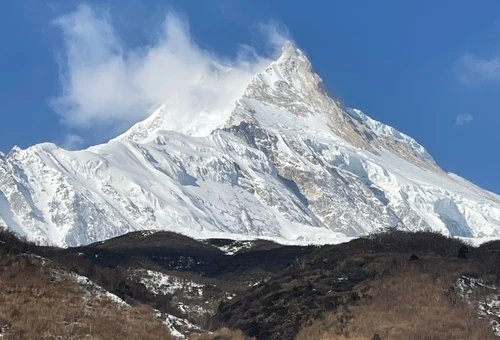
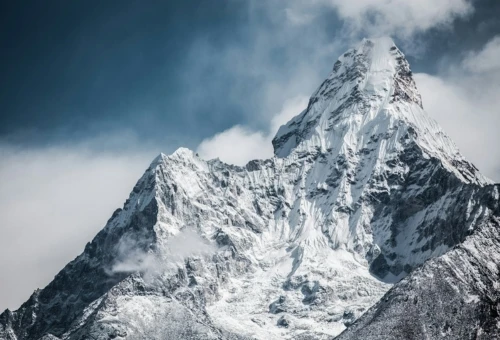
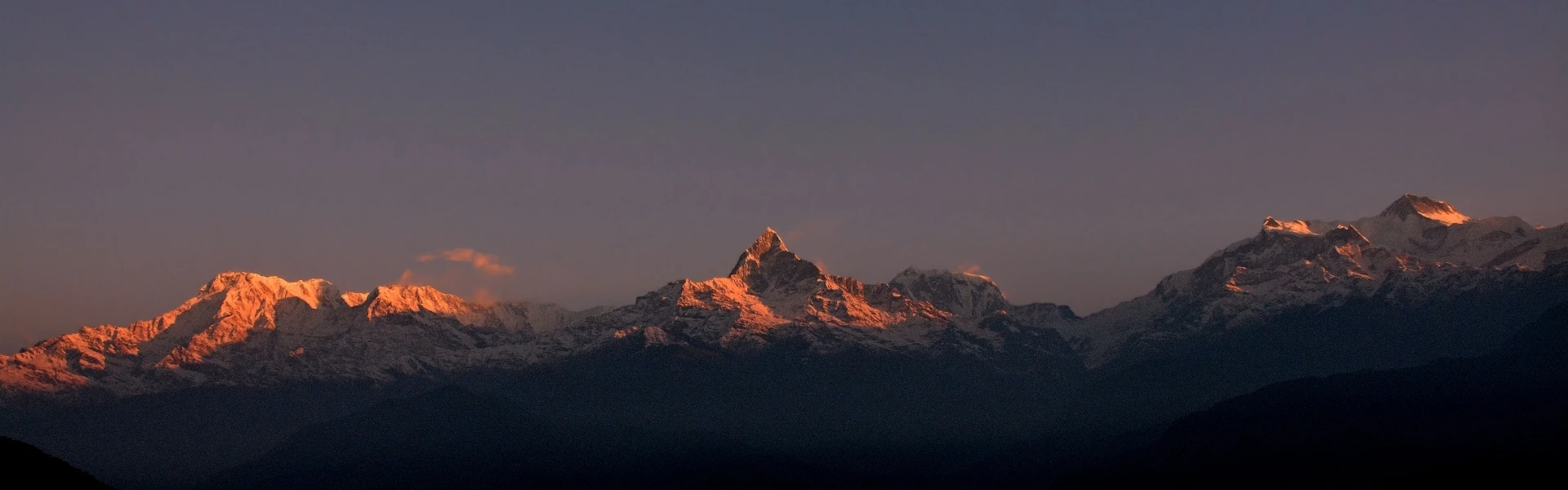
Nepal is famous for its legendary 8,000-meter mountains, but the 7000-meter peaks in Nepal offer an equally exciting path for experienced adventure climbers. These mountains combine high altitude, technical climbing, remote landscapes, and fewer crowds, making them ideal for climbers looking for a serious Himalayan expedition.
Peaks such as Baruntse, Himlung Himal, Putha Hiunchuli, Tilicho Peak, and Pumori each offer a different climbing experience. Some are suitable for climbers progressing toward higher expeditions, while others demand advanced technical skills.
Although they are below 8,000 meters, these mountains should never be considered easy. Proper acclimatization, physical fitness, technical climbing experience, suitable equipment, and professional expedition support are essential.
For climbers building experience, a high-altitude trek such as the Everest Base Camp Trek can also provide valuable experience with altitude and Himalayan conditions before attempting a major climbing expedition.
Baruntse (7,129m): A Hidden Gem in the Himalayas
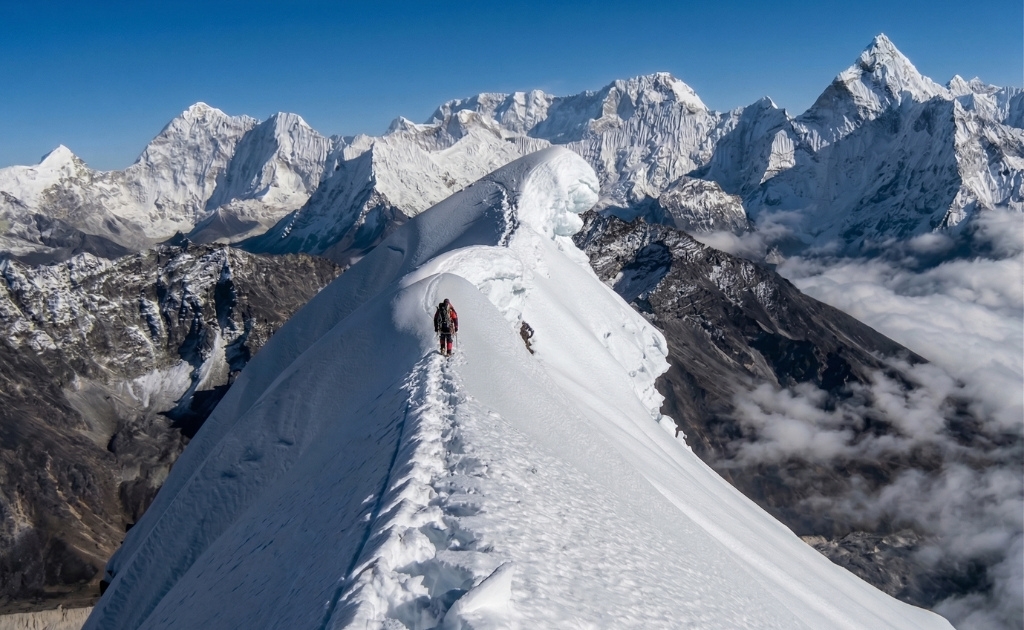
At 7,129 meters, Baruntse is one of Nepal's most popular 7000m expedition peaks. Located between the Everest and Makalu regions, the mountain offers an exciting combination of glaciers, steep snow slopes, fixed ropes, and a challenging summit ridge.
The approach generally follows the Hinku Valley and Mera Peak area before reaching Baruntse Base Camp. Some climbers combine the expedition with Mera Peak Climbing to gain additional high-altitude experience and improve acclimatization.
Baruntse is best suited to climbers who already have experience with crampons, ice axes, rope systems, and glacier travel.
Best season: Spring and autumn
Difficulty: Technical and demanding
Himlung Himal (7,126m): Remote Climbing in the Wild Nar-Phu Valley
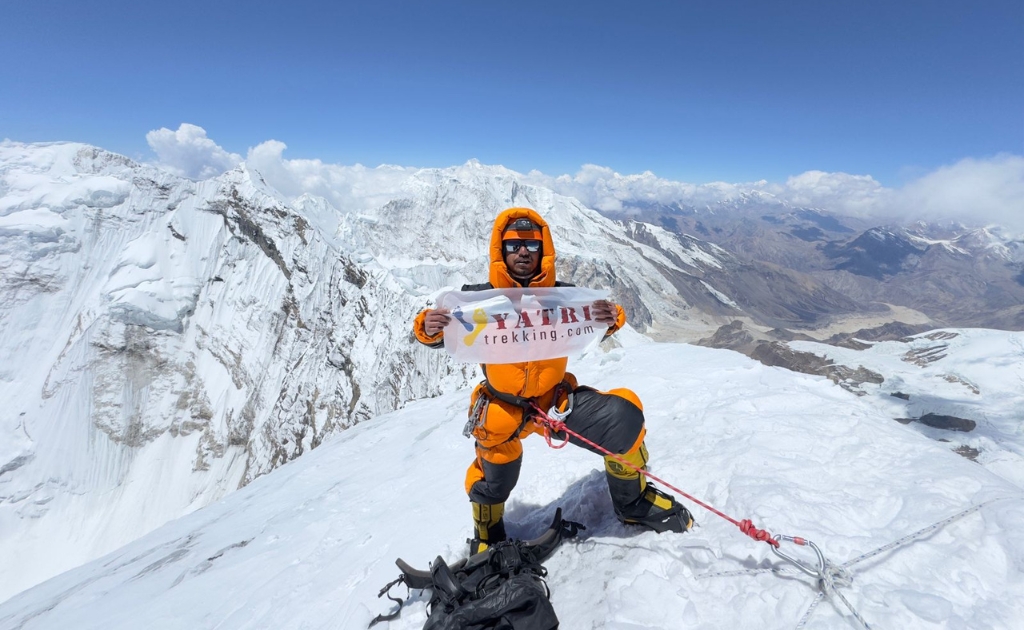
Rising to 7,126 meters, Himlung Himal is located in the remote Nar-Phu Valley near the Tibetan border. The expedition takes climbers through traditional villages, high mountain valleys, Buddhist culture, and spectacular Himalayan scenery.
The climb involves glacier travel, crevasse crossings, snow slopes, and fixed ropes. Its climbing route is considered manageable compared with some more technical 7000m peaks, but the altitude still makes Himlung a serious expedition.
The Himlung Himal Expedition is particularly attractive to experienced climbers preparing for future 8000m objectives.
Best season: Spring and autumn
Difficulty: Moderate to challenging
Putha Hiunchuli (7,246m): The Perfect Intro to High-Altitude Climbing
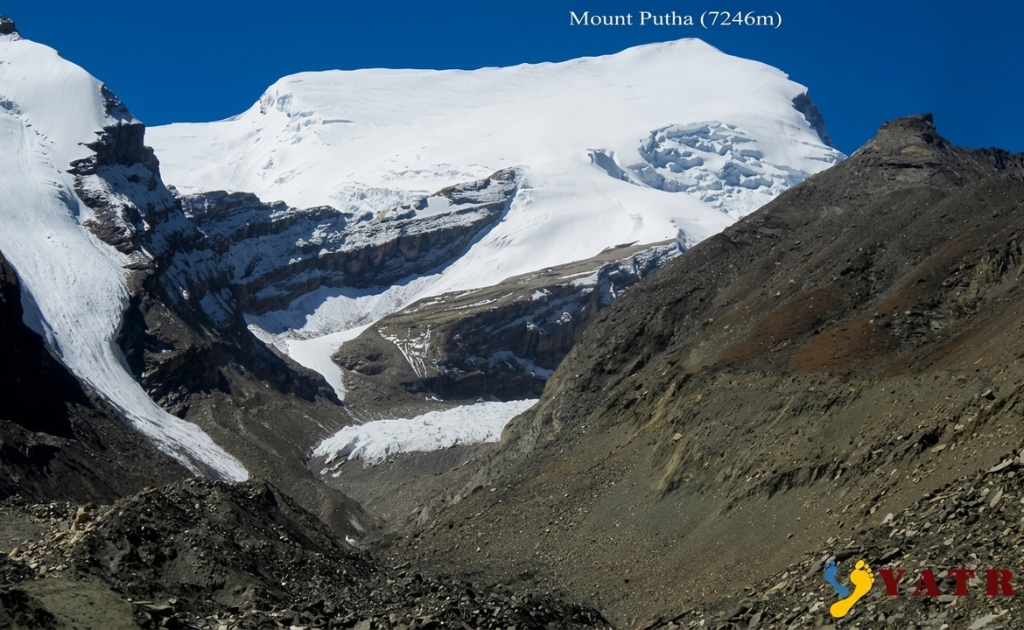
Putha Hiunchuli, at 7,246 meters, is located in the remote Dolpo region of western Nepal. The mountain provides a true wilderness expedition, with the journey to Base Camp passing through isolated valleys and traditional Himalayan settlements.
The climb includes glacier travel, snow slopes, crevasses, and sections requiring fixed ropes. Its remote location also means that logistics and self-sufficiency are important parts of the expedition.
For climbers interested in combining remote landscapes with serious mountaineering, the Putha Hiunchuli Expedition is a strong choice.
Best season: Spring and autumn
Difficulty: Challenging
Tilicho Peak (7,134m): A Stunning Challenge Above the World's Highest Lake
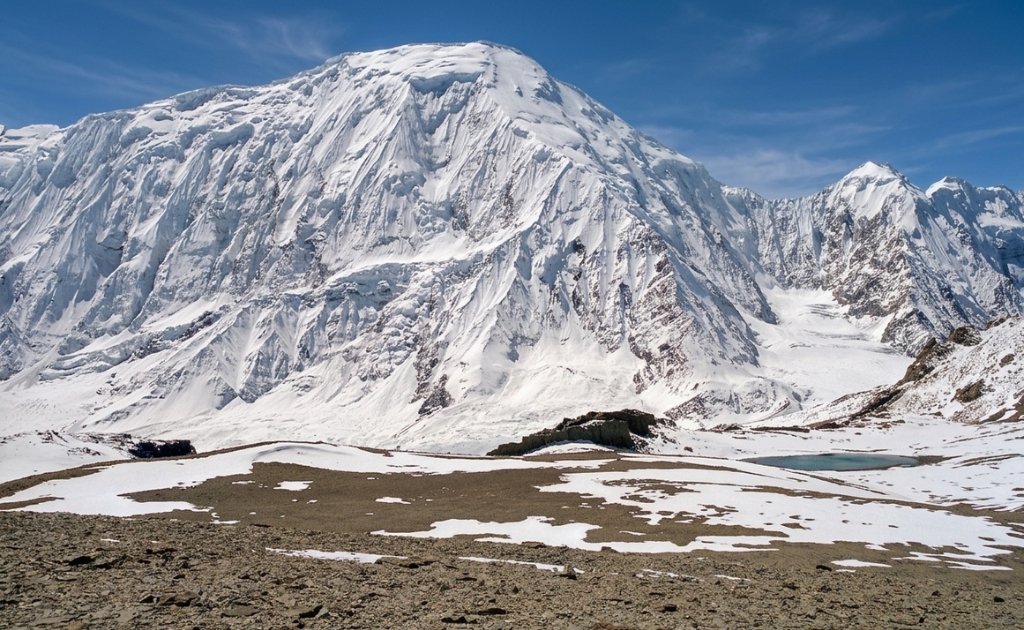
At 7,134 meters, Tilicho Peak rises dramatically above Tilicho Lake in the Annapurna region. Its spectacular location makes it one of the most attractive 7000-meter mountains in Nepal.
The expedition approaches through the Manang and Tilicho Lake area before entering more technical terrain. Climbers should be prepared for steep snow and ice, glacier travel, crevasses, and rapidly changing weather.
The mountain can also be combined with the famous Annapurna Circuit Trek, allowing climbers to experience the Annapurna landscape and gain altitude gradually before the climbing phase.
Best season: Spring and autumn
Difficulty: Technical
Gangapurna (7,455m): A Majestic Peak in the Annapurna Range
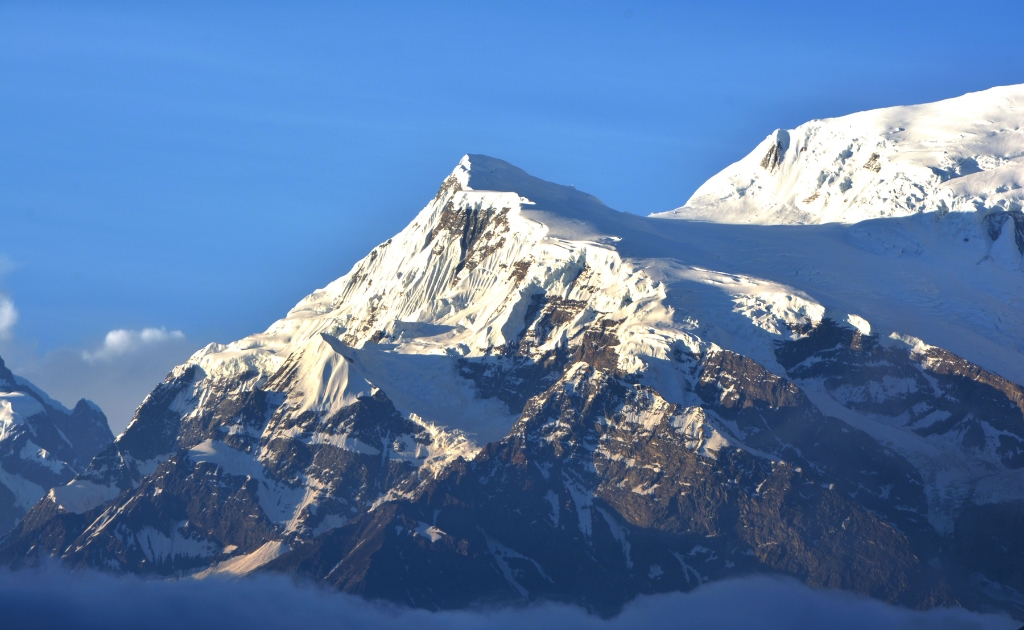
Standing at approximately 7,455 meters, Gangapurna is one of the highest peaks in the Annapurna massif. The mountain is known for its steep snow and ice, glaciers, and challenging high-altitude terrain.
The approach through the Annapurna region provides impressive views of Annapurna I, Gangapurna Glacier, and surrounding Himalayan peaks. Travelers can explore this spectacular mountain environment through the Annapurna Base Camp Trek before considering more demanding climbing objectives in the region.
Gangapurna is best suited to experienced mountaineers with strong technical and high-altitude skills.
Best season: Spring and autumn
Difficulty: Advanced
Pumori (7,161m): A Technical Peak Near Everest
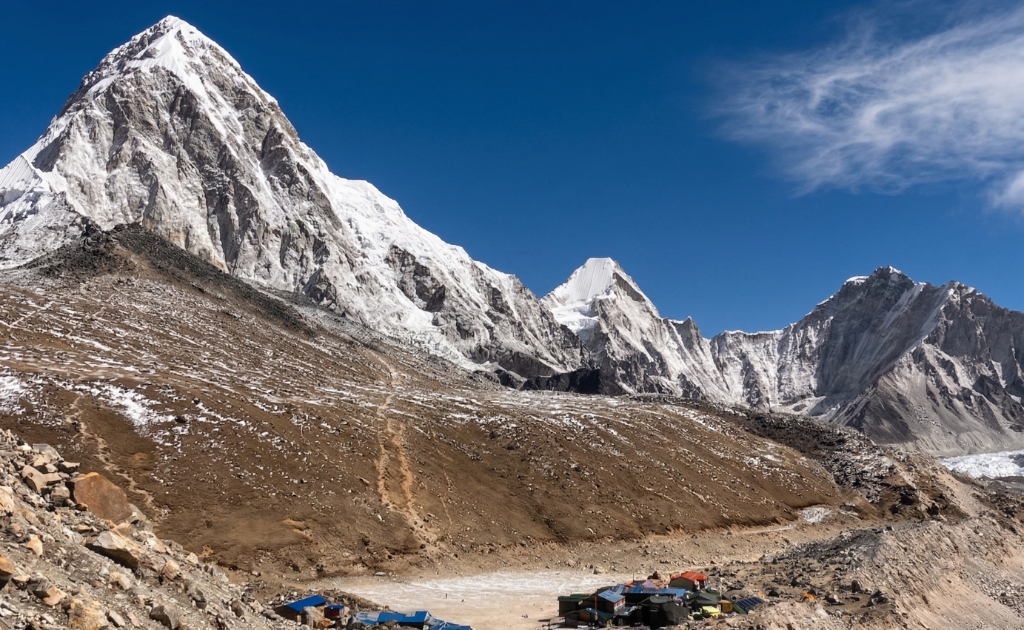
Pumori, standing at 7,161 meters, is one of the most recognizable mountains near Everest Base Camp. Its sharp pyramid-shaped summit, steep slopes, and technical climbing make it a serious objective for experienced mountaineers.
The approach follows the classic Khumbu route through Lukla, Namche Bazaar, Tengboche, and Lobuche. Completing the Everest Base Camp Trek provides an excellent opportunity to experience the region and high-altitude environment before undertaking more technical climbing.
Pumori requires strong glacier skills, experience on steep snow and ice, good acclimatization, and careful route planning.
Best season: Spring and autumn
Difficulty: Advanced
Langtang Lirung (7,234m): The Crown of Langtang
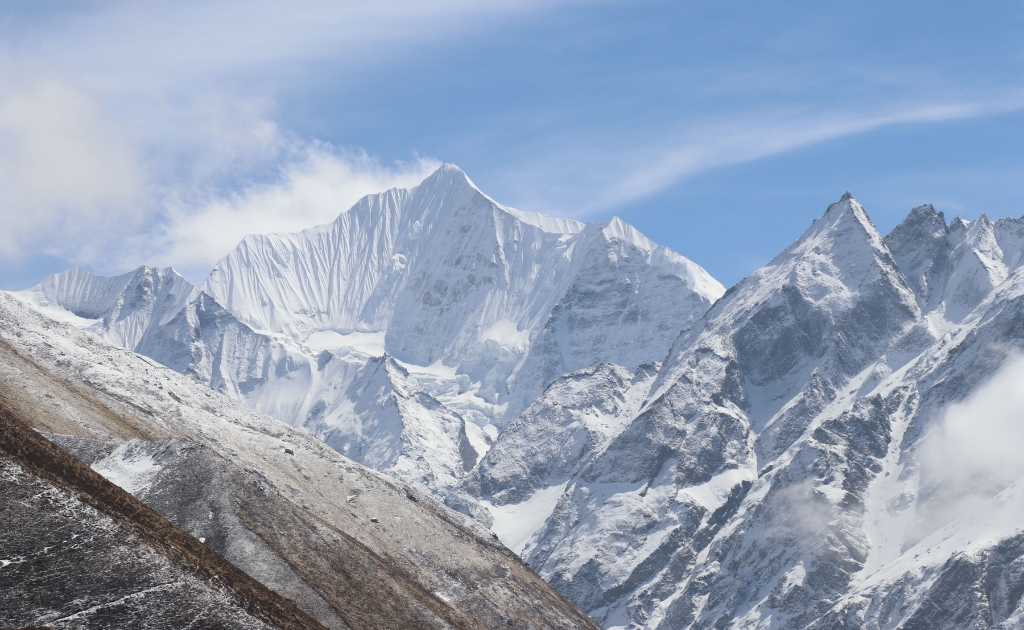
At 7,234 meters, Langtang Lirung is the highest major peak in the Langtang region. It rises above forests, glaciers, traditional Tamang villages, and dramatic alpine valleys.
The mountain involves rock, snow, ice, and glacier travel, making it suitable for experienced climbers rather than beginners. Its relatively close location to Kathmandu makes the Langtang region convenient to access, while the upper mountain remains remote and demanding.
The Langtang Valley Trek is a great way to explore the surrounding region and understand the terrain before planning a more advanced expedition.
Best season: Spring and autumn
Difficulty: Advanced
Api Himal (7,132m): A Wild Expedition in Far-Western Nepal
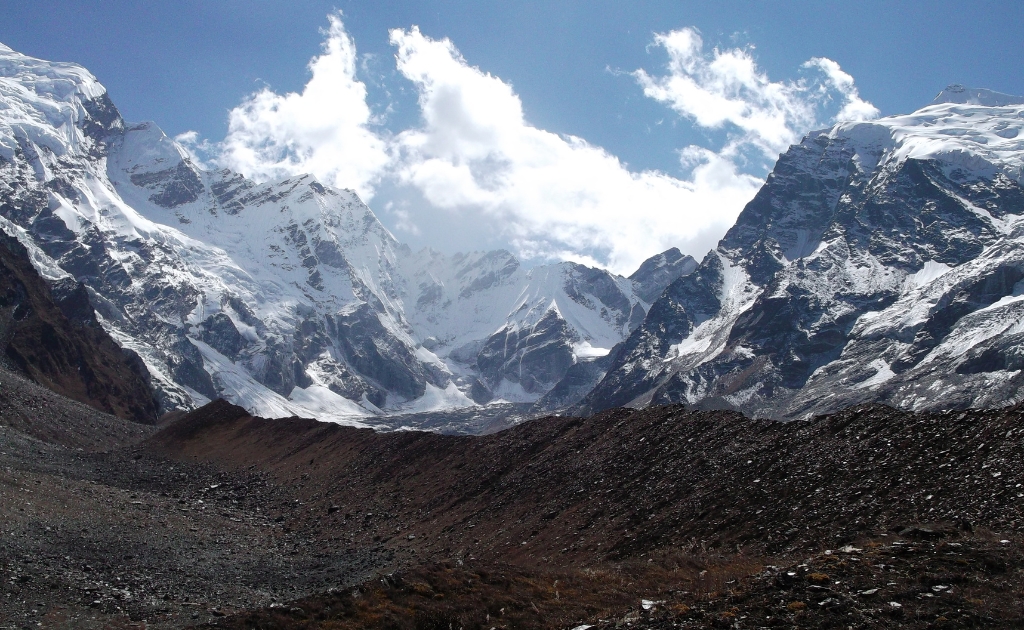
Api Himal, at 7,132 meters, is one of Nepal's most remote high-altitude peaks. Located in far-western Nepal, it offers a wilderness experience that is very different from the busy Everest and Annapurna regions.
The remote approach requires careful planning and logistics. Climbers must also be prepared for glaciers, steep snow, extreme weather, and limited infrastructure.
For experienced mountaineers seeking solitude, remote Himalayan landscapes, and a challenging expedition, Api Himal is an excellent option.
Best season: Spring and autumn
Difficulty: Advanced
Which 7000m Peak Is Right for You?
Choosing the best 7000-meter peak in Nepal depends on your climbing experience, technical skills, physical fitness, and expedition goals.
| Peak | Altitude | Best For |
|---|---|---|
| Himlung Himal | 7,126m | High-altitude progression |
| Baruntse | 7,129m | Technical snow and ice |
| Putha Hiunchuli | 7,246m | Remote expeditions |
| Tilicho Peak | 7,134m | Technical Annapurna climbing |
| Gangapurna | 7,455m | Advanced mountaineers |
| Pumori | 7,161m | Technical Everest-region climbing |
| Langtang Lirung | 7,234m | Advanced alpine climbing |
| Api Himal | 7,132m | Remote wilderness |
There is no truly easy 7000m mountain. At this altitude, acclimatization, technical ability, weather, equipment, route conditions, and experienced mountain support all play a major role in expedition safety and success.
Final Thoughts
The 7000-meter peaks of Nepal offer a perfect opportunity for experienced climbers who want to move beyond trekking peaks and take on a genuine Himalayan expedition. They provide a mix of technical climbing, high-altitude challenges, remote landscapes, and unforgettable mountain views.
Whether you are considering Himlung Himal for your first 7000m expedition, Baruntse for technical climbing, Tilicho Peak for an Annapurna adventure, or Pumori for a demanding Everest-region objective, choosing the right mountain is more important than simply choosing the highest one.
Yatri Trekking can help you compare the route, climbing difficulty, acclimatization schedule, permits, logistics, and required experience before you commit to an expedition. Explore our Mountain Expeditions in Nepal and contact our team to plan a 7000m adventure suited to your experience.
.webp)