Top 6000-Meter Peaks in Nepal: A Complete Climbing Guide with Difficulty Ratings
Ashish Gurung
Last Updated on Apr 12, 2026
Nepal’s Himalayas are often associated with extreme expeditions, but the country also offers an impressive range of 6000-meter peaks that are achievable, rewarding, and ideal for building mountaineering experience. These peaks sit at the perfect altitude high enough to challenge your body and mind, yet realistic for well-prepared trekkers and climbers.
Unlike 8000m expeditions, 6000m peaks allow climbers to experience snow climbing, glacier travel, rope work, and altitude adaptation without excessive risk. Many of these peaks are reached through classic trekking routes, combining cultural encounters, scenic valleys, and technical climbing into one journey. This makes them popular among adventure seekers who want more than just trekking but are not yet ready for major expeditions.
In this guide, we explore Nepal’s top 6000m peaks by difficulty level, explain who they are best suited for, and share insights from local mountain guides who have spent years climbing these routes. Whether you are planning your first Himalayan summit or looking to sharpen your alpine skills, this list will help you choose wisely.
Table of Contents
Why 6000-Meter Peaks Are the Best Entry into Himalayan Mountaineering
For trekkers dreaming of standing on a Himalayan summit, 6000-meter peaks offer the most practical and educational starting point. These mountains introduce climbers to real alpine conditions thin air, snow-covered slopes, early-morning summit pushes, and rapidly changing weather without the logistical complexity of higher peaks.
One major advantage of 6000m climbs is the gradual learning curve. You don’t need years of climbing experience to begin, but you do gain valuable technical knowledge along the way. Most routes require basic mountaineering skills such as using crampons, ice axes, and fixed ropes, which are taught during the climb itself.
Another benefit is that these peaks often follow well-established trekking trails, allowing proper acclimatization. For example, climbers approaching the Everest region naturally gain altitude through classic trekking routes like the Everest Base Camp Trek, which also helps reduce altitude-related risks.
👉 You can explore this approach through Yatri Trekking’s Everest Base Camp Trek package, which pairs well with peak climbing objectives.
For many climbers, a successful 6000m peak becomes the foundation for future Himalayan goals.
Understanding Difficulty Ratings on 6000m Peaks in Nepal
Difficulty ratings in the Himalayas can be confusing, especially for first-time climbers. A peak labeled “easy” still involves long days, cold temperatures, and the challenges of high altitude. Understanding these ratings is essential for choosing a climb that matches your ability and expectations.
Easy or beginner-level peaks usually involve walking on snow and glaciers with limited steep sections. These climbs are suitable for fit trekkers who are comfortable hiking for multiple days and are willing to learn basic climbing techniques along the way.
Moderate peaks require better physical conditioning and some prior experience. Climbers should be comfortable using ropes, dealing with exposed terrain, and managing fatigue at altitude.
Challenging or technical peaks demand solid mountaineering skills, confidence on ice and mixed terrain, and strong mental endurance. These climbs are less forgiving and require thorough preparation.
Our guides at Yatri Trekking always emphasize that success comes from matching the right peak with the right climber not from choosing the tallest or hardest mountain.
Beginner-Friendly 6000m Peaks in Nepal (Easy Difficulty)
Mera Peak (6,476m) – The Ideal First Himalayan Summit
A memorable summit moment on Mera Peak as climbers celebrate their achievement with an experienced guide in the heart of the Himalayas
Mera Peak is widely regarded as the best starting point for climbers attempting their first 6000m summit. Located in the remote Hinku Valley, the approach itself is scenic and peaceful, offering quiet trails, traditional villages, and a slow, steady gain in altitude.
Technically, Mera Peak is straightforward. The climb involves glacier travel and snow slopes, but there are no major technical obstacles. This allows beginners to focus on altitude adaptation and basic climbing techniques rather than complex movements. The long acclimatization schedule greatly improves summit success and safety.
What truly makes Mera Peak special is the panoramic summit view. On a clear day, climbers can see five of the world’s highest mountains, including Everest, Makalu, and Lhotse.
👉 Many climbers choose Yatri Trekking’s Mera Peak Climbing package because it combines proper training, gradual acclimatization, and experienced local guides.
Island Peak (6,189m) – A Perfect Blend of Trekking and Climbing
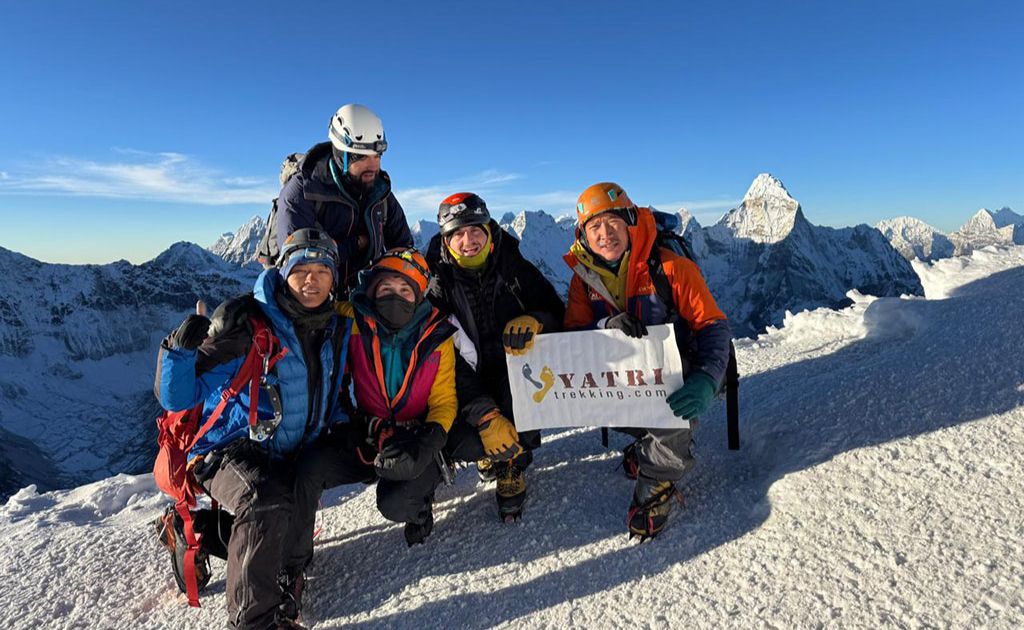
Reaching the summit of Island Peak is a rewarding achievement, offering breathtaking views across the Everest region and a true Himalayan climbing experience
Island Peak is one of Nepal’s most popular 6000m peaks, especially for trekkers visiting the Everest region. The route follows the classic Khumbu trail, passing through iconic Sherpa villages, monasteries, and dramatic mountain landscapes.
The climb itself introduces climbers to steeper terrain compared to Mera Peak. Fixed ropes, a glacier crossing, and a short ice wall near the summit add excitement without being overwhelming. This makes Island Peak ideal for trekkers who want to experience real climbing while still feeling supported.
Island Peak is often combined with acclimatization treks, giving climbers time to adjust to altitude before the summit push. 👉 This experience pairs naturally with Yatri Trekking’s Island Peak Climbing itinerary, designed for first-time climbers seeking a safe challenge.
Moderately Difficult 6000m Peaks for Skill Development
Lobuche East (6,119m) – A Technical Upgrade in the Everest Region
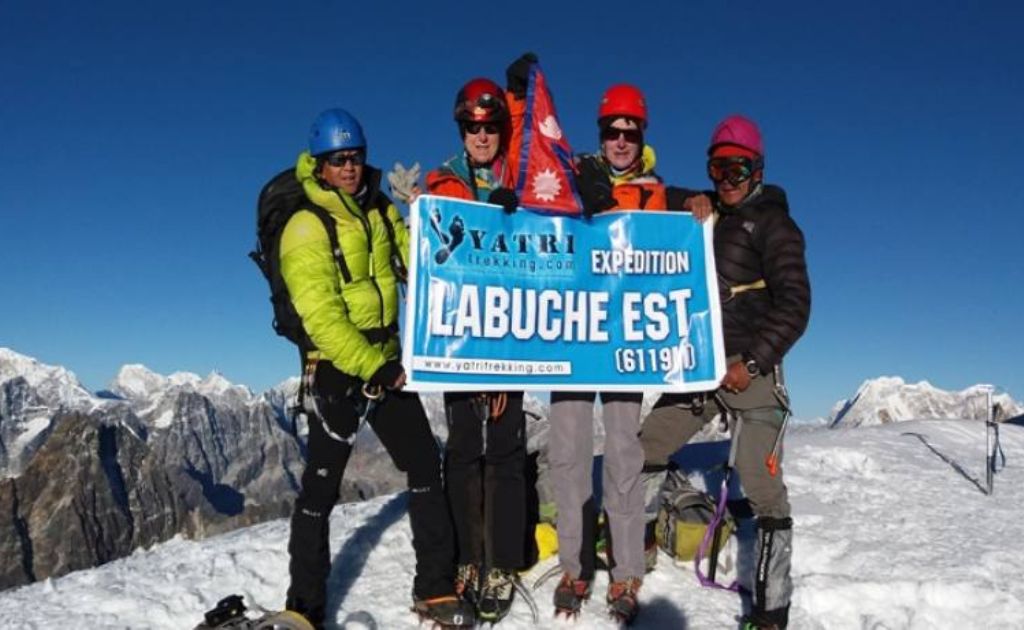
Summiting Lobuche East Peak offers an incredible high-altitude experience with stunning views of Everest and the dramatic Khumbu region
Lobuche East is a noticeable step up in difficulty and is best suited for climbers who already have some peak-climbing experience. The route involves steeper ice sections, exposed ridgelines, and more demanding rope work, requiring both physical strength and technical focus.
The climb rewards effort with incredible views over the Khumbu Glacier and surrounding giants like Everest and Nuptse. Due to its technical nature, Lobuche East is often chosen by climbers who want to improve their skills before attempting higher or more complex peaks.
👉 Many climbers prepare for Lobuche East by trekking through the Khumbu via Yatri Trekking’s Everest Base Camp via Gokyo Lakes Trek, which provides excellent acclimatization.
Pisang Peak (6,091m) – A Hidden Gem in the Annapurna Region
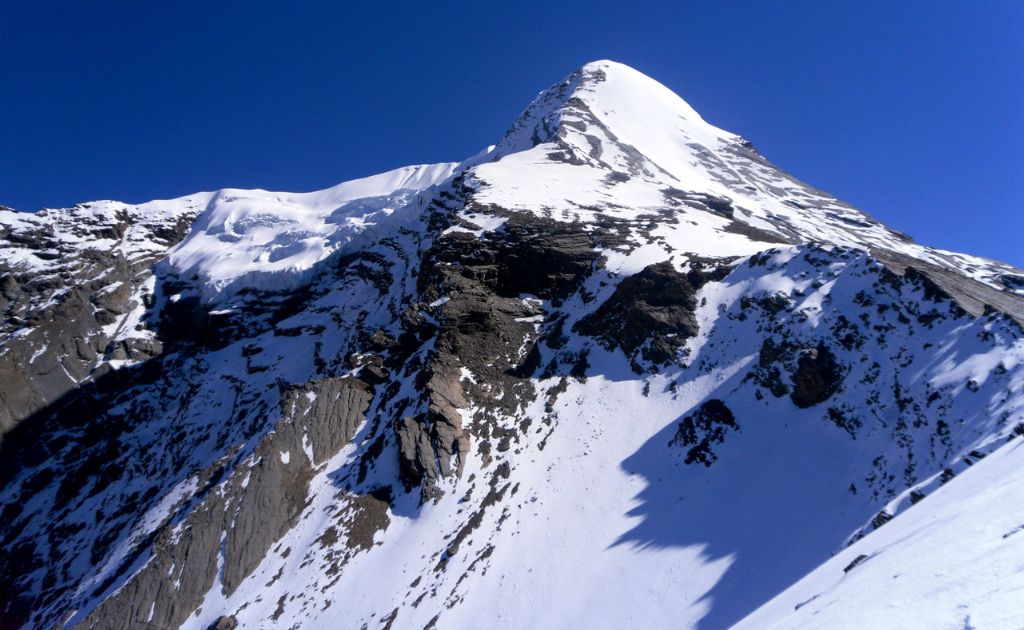
Pisang Peak stands tall in the Annapurna region, offering breathtaking views of the Manang Valley and the surrounding Himalayan landscape
Pisang Peak offers a quieter alternative to Everest-region climbs while still delivering a serious alpine experience. Rising above the Manang Valley, this peak provides dramatic scenery and fewer crowds.
The climb involves snow slopes and a steep summit ridge, demanding good endurance and solid basic climbing skills. Weather conditions can be unpredictable, adding to the challenge and sense of adventure.
👉 Climbers often combine this ascent with Yatri Trekking’s Annapurna Circuit Trek, making Pisang Peak a rewarding extension of one of Nepal’s most scenic routes.
Challenging and Technical 6000m Peaks for Experienced Climbers
Chulu East (6,584m) – A True Expedition-Style Climb
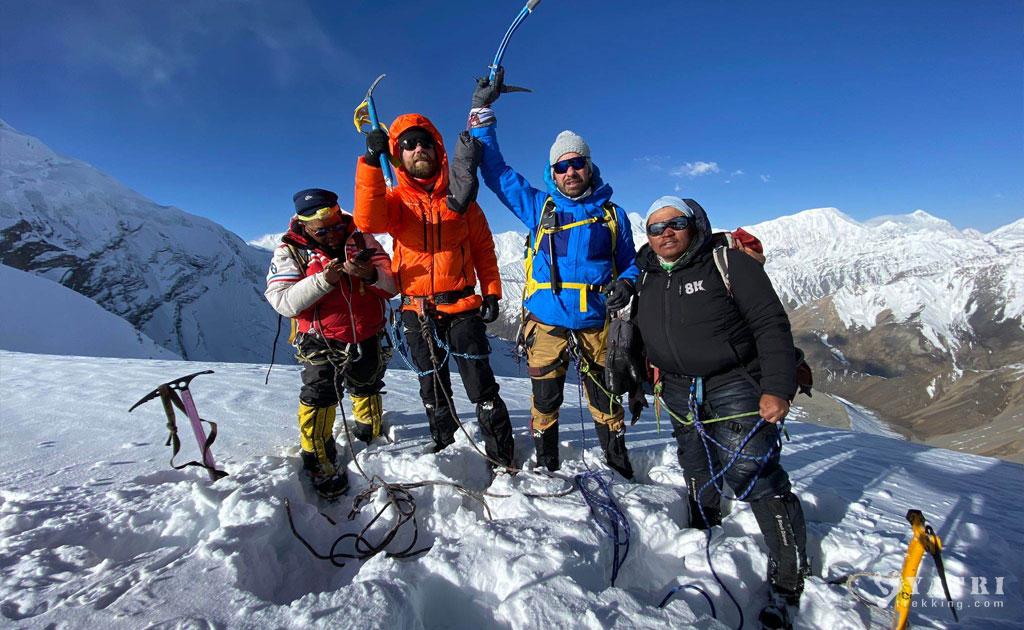
Reaching the summit of Chulu East Peak is a challenging and rewarding achievement, offering panoramic views of Nepal’s remote Himalayan peaks
Chulu East is one of the most demanding trekking peaks in Nepal. The route is remote, physically taxing, and requires excellent acclimatization. Glacier crossings, crevasse navigation, and long summit days make this a serious undertaking.
This peak is best suited for climbers with previous high-altitude experience who are comfortable in isolated mountain environments. 👉 The climb is often accessed through Yatri Trekking’s Nar Phu Valley Trek, one of Nepal’s most remote trekking experiences.
Kyajo Ri (6,186m) – A Technical Training Ground
Kyajo Ri is considered one of the most technical 6000m peaks in Nepal. Steep ice, rock sections, and exposed ridges require advanced climbing skills and mental focus. It is not a beginner’s peak, but it is highly respected among serious climbers.
👉 Many climbers use Kyajo Ri as preparation after completing Yatri Trekking’s Three Passes Trek, which builds endurance and altitude tolerance.
Choosing the Right 6000m Peak for Your Experience Level
Selecting the right peak is about honest self-assessment. Fitness, altitude tolerance, mental strength, and previous experience all play crucial roles. A well-chosen climb builds confidence and enjoyment, while a poorly matched peak can turn into a struggle.
At Yatri Trekking, we believe success is measured not just by reaching the summit, but by returning safely with unforgettable memories.


.webp)