What Do the Names of the World’s Highest Himalayan Mountains Mean?
Ashish Gurung
Last Updated on Aug 28, 2026
The Himalayas are famous for their incredible height, beautiful landscapes, and legendary trekking routes. But have you ever wondered what the names of these mighty mountains actually mean?
Many Himalayan peaks have names rooted in Tibetan, Sanskrit, Nepali, Balti, and other local languages. Their names often describe the mountain's location, appearance, spiritual meaning, or importance to local communities.
From Everest, the world's highest mountain, to Annapurna, the Goddess of Nourishment, each name has a story. Let's explore the meanings behind the names of some of the world's highest mountains.
Table of Contents
Everest – The Goddess of the Sky (8,848.86 m / 29,031.7 ft)
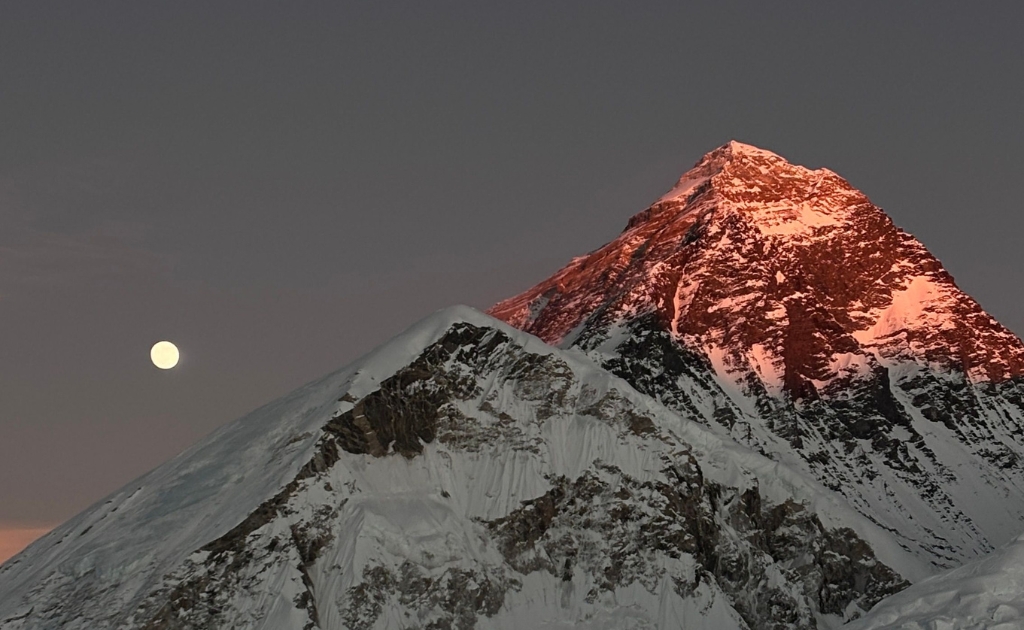
Mount Everest – Sagarmatha in Nepal, Chomolungma in Tibet, and the world's highest mountain.
Mount Everest is the highest mountain in the world and one of the most famous places on Earth. But the name Everest is not the mountain's original local name.
In Nepal, Everest is called Sagarmatha, commonly translated as “Forehead of the Sky.” In Tibet, it is known as Chomolungma, often translated as “Goddess Mother of the World.” These names show the deep spiritual respect the mountain holds in Himalayan culture.
The name Everest was given in honor of Sir George Everest, a former Surveyor General of India.
For trekkers, the journey to Everest Base Camp is about more than seeing the world's highest peak. The trail leads through the beautiful Khumbu region, home to Sherpa villages, Buddhist monasteries, prayer flags, and the spectacular Sagarmatha National Park.
If you want to experience this legendary landscape, explore our Everest Base Camp Trek and discover the mountain, culture, and stories of the Khumbu region.
K2 – The Mountain Without a Local Name (8,611 m / 28,251 ft)
K2 – The legendary Savage Mountain and the world's second-highest peak.
K2 is the second-highest mountain in the world, standing at 8,611 meters in the Karakoram range.
Unlike many famous Himalayan peaks, K2's internationally recognized name began as a survey designation. During the Great Trigonometrical Survey of India, it was recorded as “K2,” meaning the second peak surveyed in the Karakoram.
The mountain is also known as Chogori in the region, although K2 remains its most widely used name. Climbers often call it the “Savage Mountain” because of its steep terrain, severe weather, and challenging climbing conditions.
While K2 is far more remote than Nepal's popular trekking routes, travelers looking for a similar feeling of wilderness can explore Nepal's Kanchenjunga Circuit Trek, one of the country's most remote and rewarding adventures.
Kanchenjunga – The Five Treasures of Snow (8,586 m / 28,169 ft)
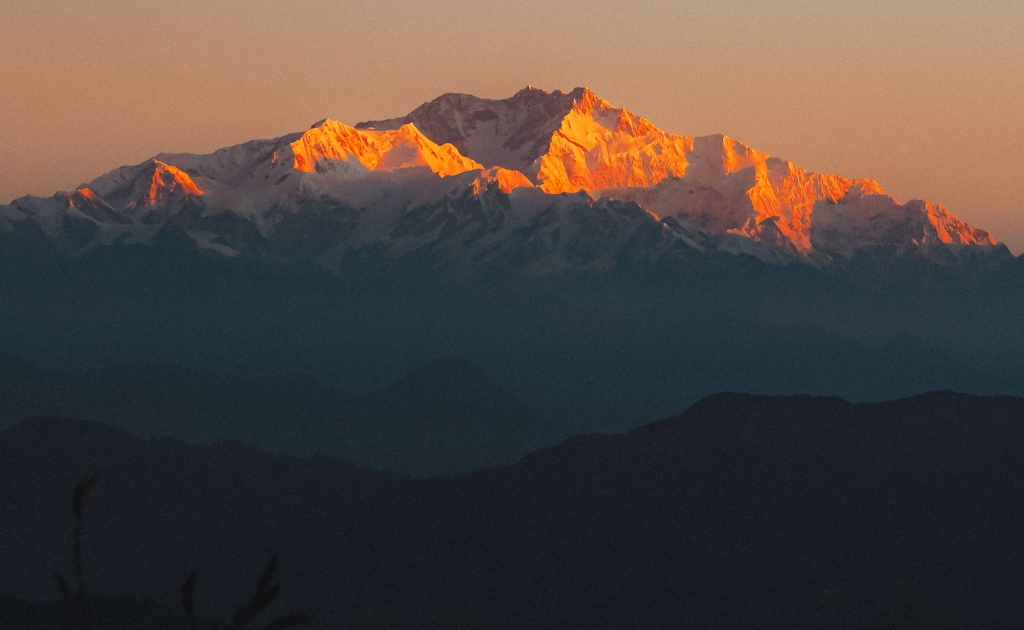
Kanchenjunga – The Five Treasures of Snow, a sacred mountain of the eastern Himalayas.
Kanchenjunga is the third-highest mountain in the world, rising to 8,586 meters along the Nepal–India border.
Its name is commonly translated from Tibetan as “The Five Treasures of the Great Snow.” According to local tradition, these treasures represent valuable and sacred gifts such as gold, silver, gems, grain, and holy scriptures.
Kanchenjunga is deeply respected by communities in eastern Nepal and Sikkim. The region is also known for its remote trails, traditional villages, forests, glaciers, and dramatic mountain scenery.
The Kanchenjunga Circuit Trek is perfect for trekkers who want to escape the crowds and explore one of Nepal's most peaceful mountain regions.
Lhotse – The Southern Peak of Everest (8,516 m / 27,940 ft)
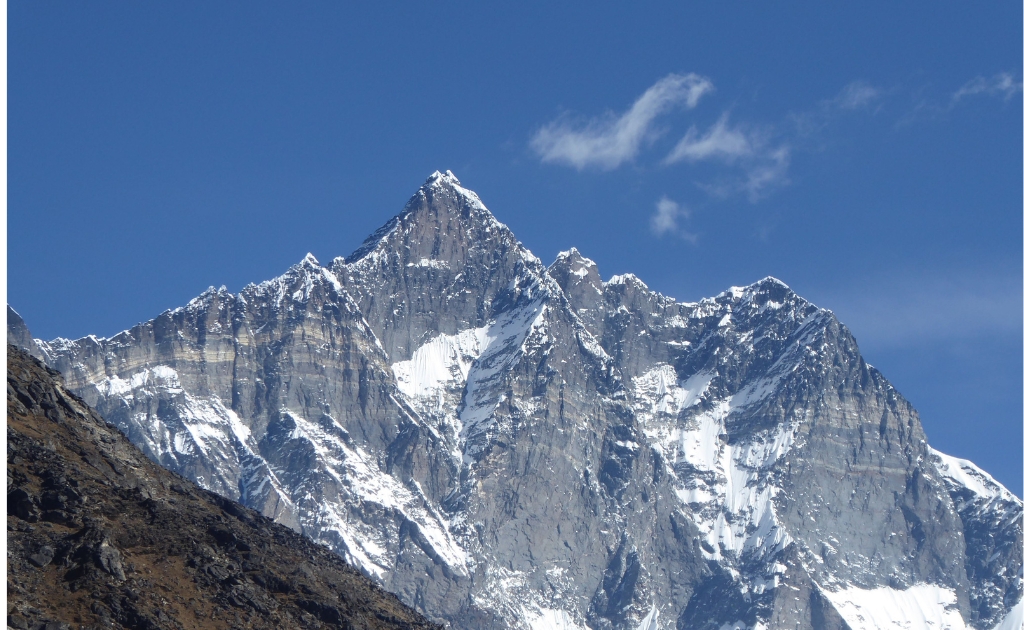
Lhotse – The South Peak, standing beside the world's highest mountain, Everest.
Lhotse is the fourth-highest mountain in the world and stands directly south of Mount Everest. Its Tibetan name means “South Peak,” describing its location beside Everest.
Although Everest is more famous, Lhotse has a powerful presence of its own. Its steep walls and dramatic ridges make it one of the most impressive peaks in the Himalayas.
Trekkers heading toward Everest Base Camp can enjoy spectacular views of Lhotse along the Khumbu trail. Another excellent way to see the mountain is through the Gokyo Valley.
Our Gokyo Lakes Trek takes you through beautiful alpine landscapes with views of Everest, Lhotse, and Cho Oyu, along with the famous turquoise Gokyo Lakes.
Makalu – The Black Mountain of Shiva (8,481 m / 27,825 ft)
Makalu – The Black Mountain of Shiva, a dramatic and remote Himalayan giant.
Makalu is the fifth-highest mountain in the world, rising to 8,481 meters in eastern Nepal.
Its name is commonly associated with Mahākāla, a Sanskrit name linked with Shiva and meaning “Great Black One.” The name adds a spiritual connection to this striking pyramid-shaped mountain.
The Makalu region is one of Nepal's quieter trekking destinations. The landscape changes from green forests and rhododendron valleys to remote alpine terrain and high mountain passes.
The Makalu Base Camp Trek is an excellent choice for experienced trekkers who want to explore Nepal's remote wilderness while enjoying spectacular mountain views and experiencing local Rai and Sherpa culture.
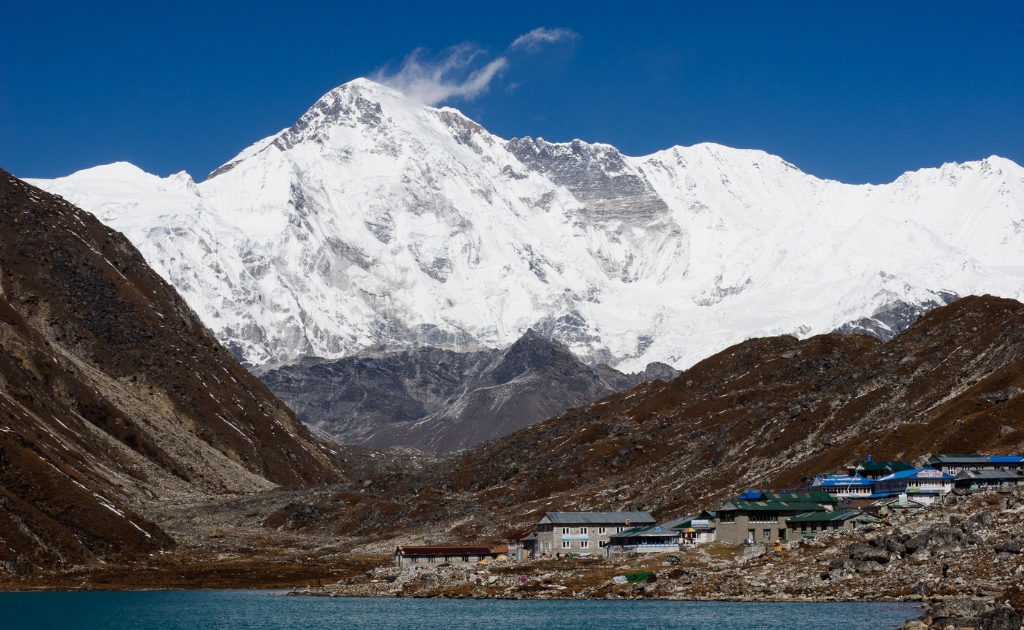
Cho Oyu – The Turquoise Goddess (8,188 m / 26,864 ft)
Cho Oyu – The Turquoise Goddess, rising along the Nepal-Tibet border.
Cho Oyu is the sixth-highest mountain in the world, standing at 8,188 meters on the Nepal–Tibet border.
Its Tibetan name is commonly translated as “Turquoise Goddess.” It is one of the most beautiful mountain names in the Himalayas and reflects the mountain's striking appearance against the clear blue sky.
For trekkers in Nepal, Cho Oyu is one of the highlights of the Gokyo Valley. The mountain can be seen from the famous Gokyo Lakes and Gokyo Ri viewpoint, alongside Everest and Lhotse.
The Gokyo Lakes Trek is an ideal journey for travelers who want beautiful mountain views, peaceful trails, high-altitude lakes, and Sherpa culture in one adventure.
.
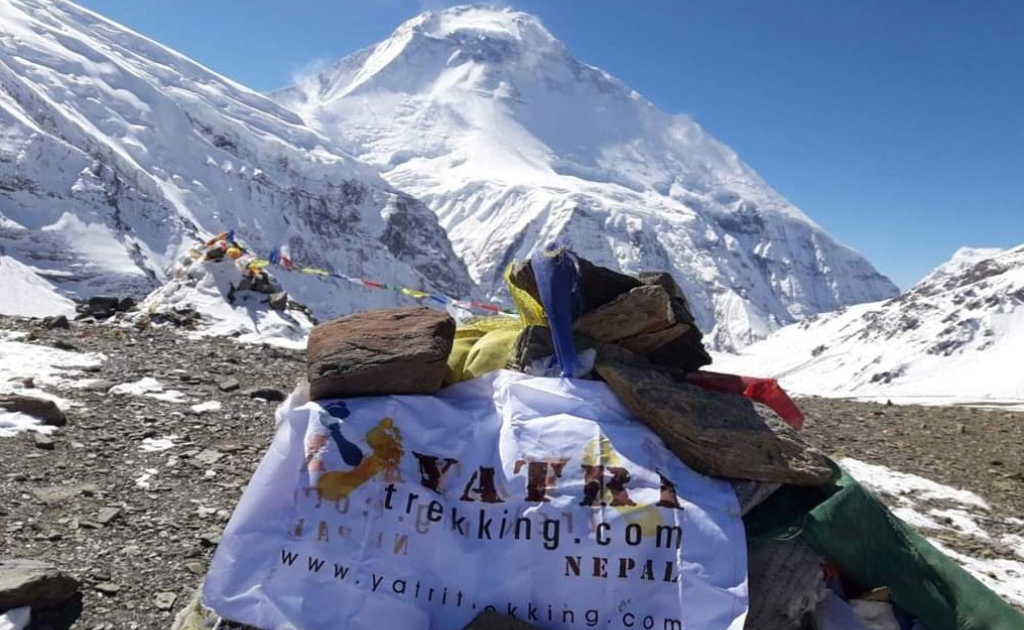
Dhaulagiri – The White Mountain (8,167 m / 26,795 ft)
Dhaulagiri – The White Mountain, dominating the skyline of western Nepal.
Dhaulagiri is the seventh-highest mountain in the world, standing at 8,167 meters in western Nepal.
Its name comes from Sanskrit: “Dhaula” means white and “Giri” means mountain, giving us the meaning “White Mountain.” The name perfectly matches its enormous snow-covered slopes.
The Dhaulagiri region is remote and challenging, with glaciers, high passes, and rugged mountain landscapes. It is ideal for experienced trekkers looking for a true wilderness adventure.
The Dhaulagiri Circuit Trek takes you around this magnificent mountain and across challenging high passes, offering a spectacular experience far from Nepal's busier trekking routes.
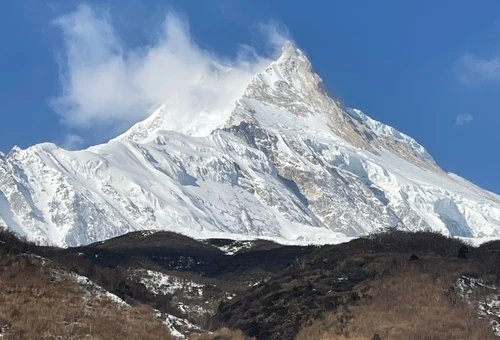
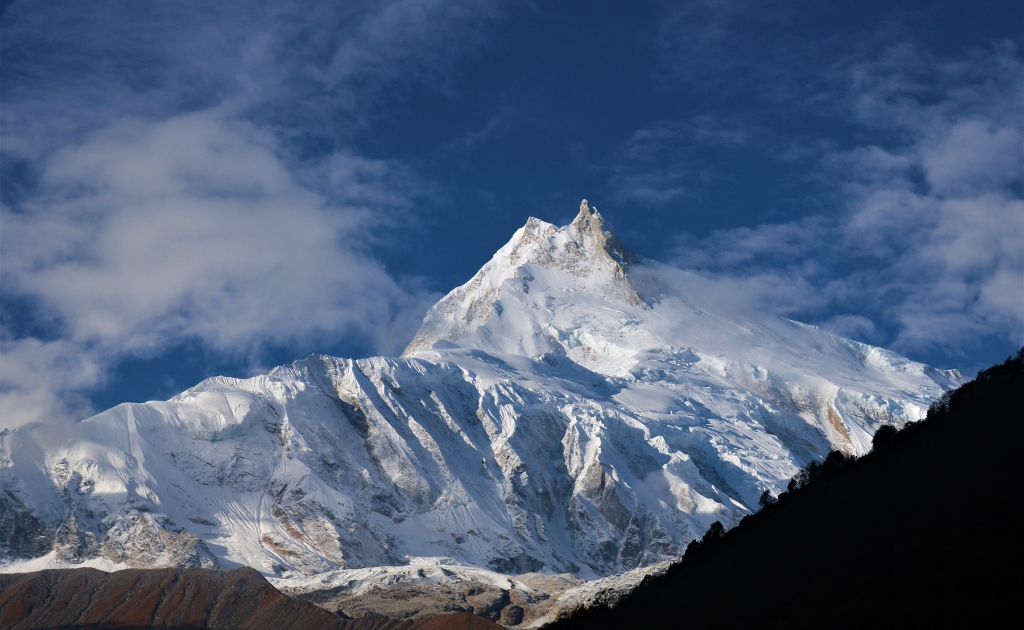
Manaslu – The Mountain of the Spirit (8,163 m / 26,781 ft)
Manaslu – The Mountain of the Spirit, surrounded by the remote landscapes of the Nepal Himalayas.
Manaslu is the eighth-highest mountain in the world, rising to 8,163 meters in western Nepal.
Its name comes from the Sanskrit word “Manasa,” associated with the mind, soul, or spirit. This is why Manaslu is often called the “Mountain of the Spirit.”
The Manaslu region is famous for its peaceful landscapes and rich cultural heritage. The trail passes through green hills, traditional villages, Buddhist monasteries, and high mountain valleys before reaching the challenging Larkya La Pass.
The Manaslu Circuit Trek is a great choice for travelers looking for a less crowded alternative to Everest and Annapurna. It combines mountain scenery, local culture, and adventure in one unforgettable journey.
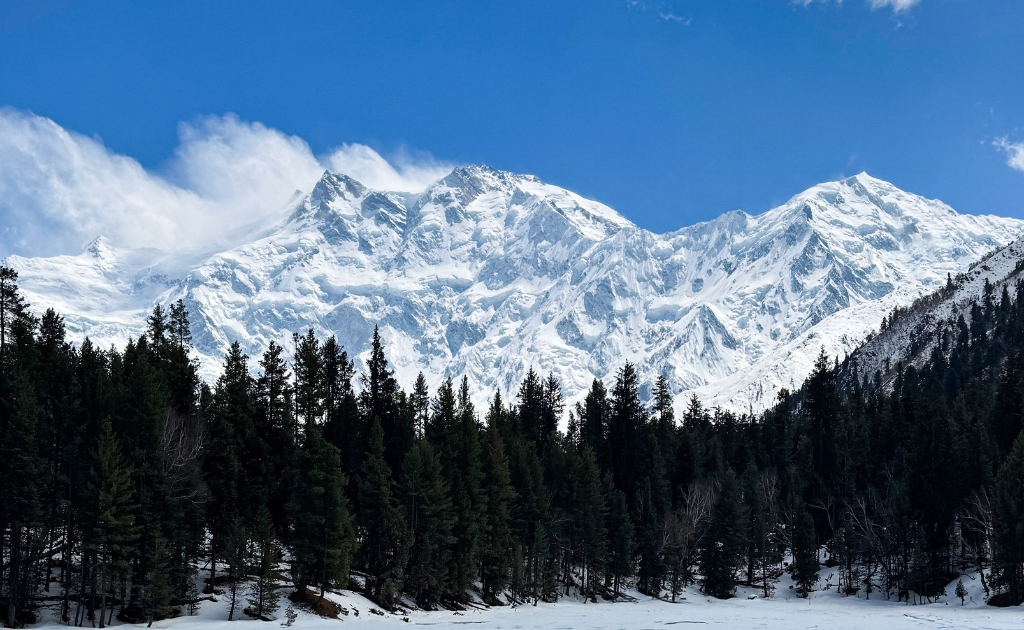
Nanga Parbat – The Naked Mountain (8,126 m / 26,660 ft)
Nanga Parbat – The Naked Mountain, famous for its dramatic cliffs and massive Rupal Face.
Nanga Parbat is the ninth-highest mountain in the world, standing at 8,126 meters in Pakistan.
Its name comes from Sanskrit and is commonly translated as “Naked Mountain.” The name reflects the mountain's dramatic, exposed rock faces and enormous slopes.
Nanga Parbat is also known as the “Killer Mountain” because of its difficult climbing history. Its remote location, steep terrain, and harsh weather have made it one of the world's most challenging peaks.
Although Nanga Parbat is outside Nepal, travelers interested in remote Himalayan landscapes can explore Nepal's Upper Dolpo Trek, another spectacular journey through rugged mountains and ancient Himalayan culture.
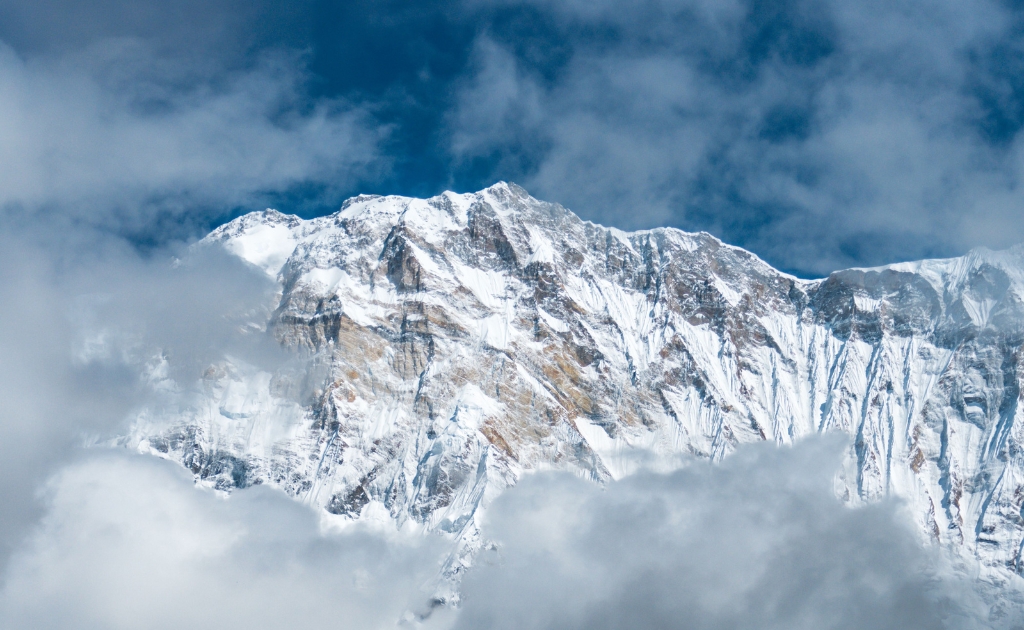
Annapurna I – Goddess of Nourishment (8,091 m / 26,545 ft)
Annapurna I – The Goddess of Nourishment, rising majestically above the Annapurna region of Nepal.
Annapurna I is the tenth-highest mountain in the world, rising to 8,091 meters in central Nepal.
The name Annapurna comes from Sanskrit. “Anna” means food or nourishment, while “Purna” means full or complete. The name is therefore commonly understood as “Goddess of Nourishment.”
Annapurna is also an important goddess in Hindu tradition, associated with food and abundance. The name feels especially fitting in a region filled with fertile valleys, terraced fields, forests, and mountain communities.
The Annapurna Base Camp Trek takes trekkers into the heart of the Annapurna Sanctuary, surrounded by incredible peaks including Annapurna I and Machapuchare, also known as Fishtail.
For travelers looking for a perfect mix of mountain scenery, local culture, and adventure, the Annapurna Base Camp Trek remains one of Nepal's most rewarding journeys.
Final Thoughts – The Stories That Make the Mountains Matter
The world's highest mountains are more than numbers on a list. Their names tell stories about nature, culture, religion, history, and the people who have lived beside them for generations.
Everest is Sagarmatha and Chomolungma. Manaslu is the Mountain of the Spirit. Annapurna represents nourishment, while Kanchenjunga is connected to the Five Treasures of the Great Snow.
Learning these meanings can make your Himalayan journey more meaningful. When you walk through Nepal, you are not simply traveling through beautiful mountains. You are entering a landscape filled with living traditions and stories.
At Yatri Trekking, we believe the best trekking experiences connect travelers with both the mountains and the people who call them home.
Whether you dream of reaching Everest Base Camp, exploring the remote Kanchenjunga region, crossing the Larkya La Pass on the Manaslu Circuit, or walking into the Annapurna Sanctuary, we are here to help you plan your journey.

.webp)
.webp)